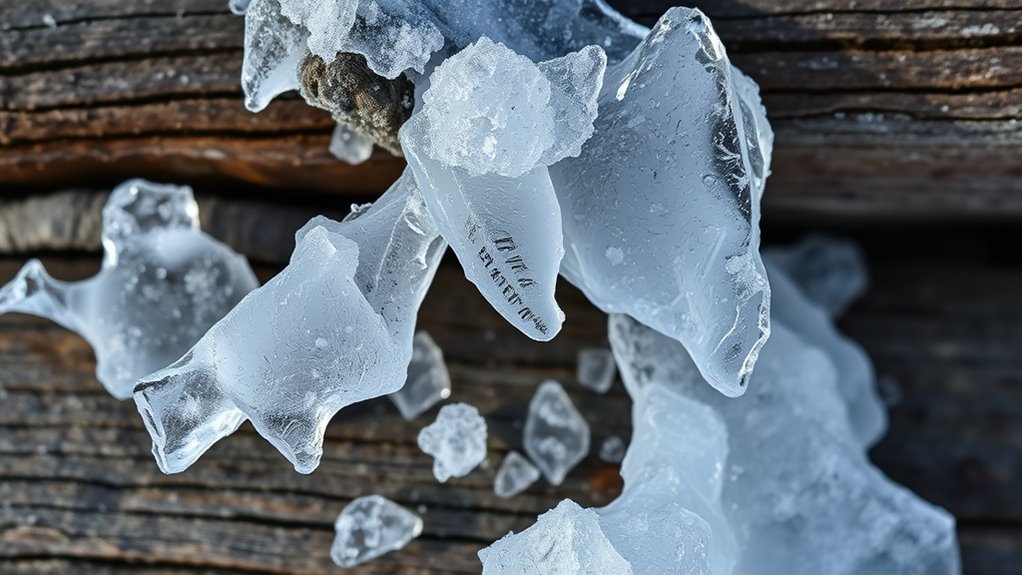

In cold climates, your structures face repeated freeze‑thaw cycles that can crack, weaken, or damage materials over time. These cycles cause water trapped in porous surfaces to expand when frozen, creating internal stress. To enhance durability, choose low-porosity, dense materials, and apply protective coatings or barriers to prevent water infiltration. Proper drainage, insulation, and expansion joints also help. Continuing to explore best practices will give you insights into building resilient, long-lasting structures in freezing conditions.
Key Takeaways
- Selecting low-porosity, high-density materials reduces water ingress and minimizes freeze-thaw damage in cold climates.
- Proper surface coatings and sealants act as barriers, preventing moisture penetration and enhancing freeze-thaw resistance.
- Incorporating effective drainage systems and vapor barriers helps control water accumulation and reduces internal stress from freezing water.
- Designing with expansion joints and flexible sealants accommodates material movement caused by temperature fluctuations.
- Advanced materials and innovative coatings, such as nanotech-based water repellents, improve durability against repeated freeze-thaw cycles.
Understanding Freeze‑Thaw Cycles and Their Impact on Materials
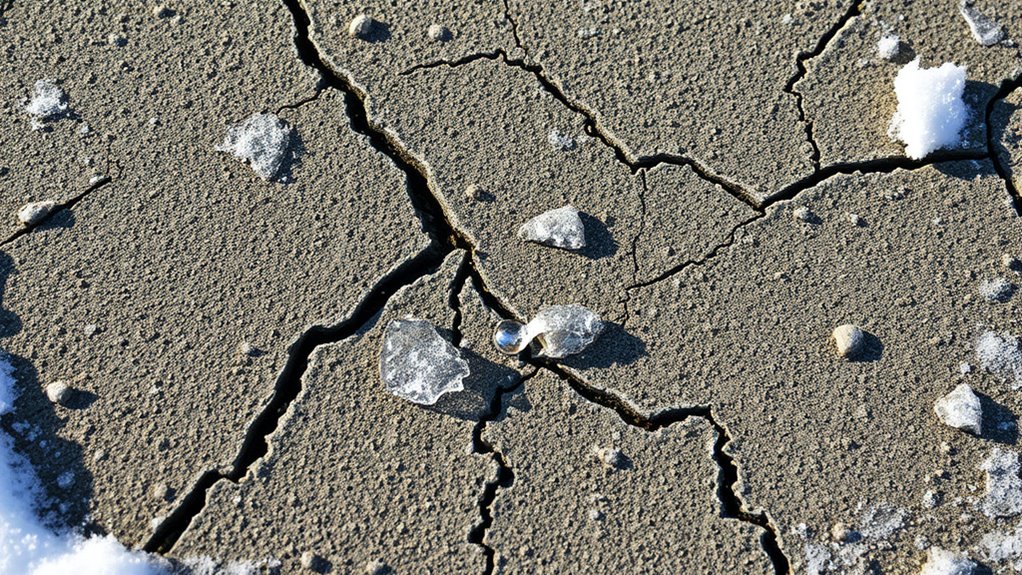
When temperatures fluctuate around freezing point, freeze-thaw cycles become a significant factor affecting materials in cold climates. During the day, water seeps into cracks or porous surfaces and freezes overnight. As water freezes, it expands, exerting pressure on the material. Repeated cycles cause this expansion and contraction, weakening the structure over time. Materials like concrete, brick, and stone are especially vulnerable. This process creates microcracks that grow larger with each cycle, leading to spalling, cracking, or even structural failure. Understanding these cycles helps you recognize potential damage zones and assess material durability. The key is to minimize water ingress and improve material resistance to freeze-thaw effects, preventing long-term deterioration and maintaining structural integrity in freezing conditions.
Key Factors Influencing Freeze‑Thaw Resistance
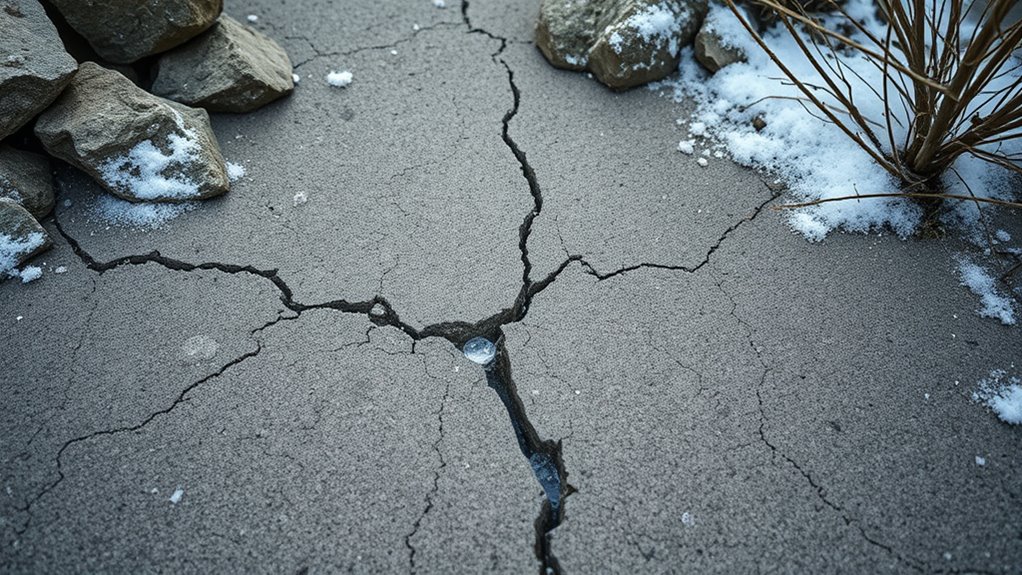
Your materials’ porosity and density play a vital role in resisting freeze-thaw damage, as more porous surfaces trap water and cause expansion. The frequency of freeze-thaw cycles also impacts durability, with repeated cycles weakening structures over time. Additionally, applying protective surface coatings can help prevent water ingress and improve resistance against the stresses of freezing temperatures. Eco-friendly materials are increasingly used in construction to enhance sustainability and durability in cold climates.
Material Porosity and Density
Material porosity and density play crucial roles in determining how well a substance can withstand freeze-thaw cycles in cold climates. High porosity means the material contains more pores and voids, which can trap water. When temperatures drop, this trapped water freezes and expands, causing internal stress that can crack or weaken the material over time. Conversely, low-porosity materials limit water absorption, reducing freeze damage. Density directly influences porosity; denser materials have fewer voids, making them less susceptible to freeze-thaw damage. You should prioritize materials with low porosity and high density for durability in freezing conditions. Proper selection can markedly extend the lifespan of structures exposed to repeated freeze-thaw cycles, ensuring safety and reducing maintenance costs in cold environments.
Freeze‑Thaw Cycle Frequency
The frequency of freeze-thaw cycles considerably influences a material’s durability in cold climates. If cycles occur often, the repeated expansion and contraction cause microcracks to grow, weakening the structure over time. Rapid cycling doesn’t give materials enough time to recover, increasing the risk of damage. Conversely, fewer cycles allow materials to withstand stress better, prolonging lifespan. Factors like temperature fluctuations, moisture presence, and climate patterns determine cycle frequency. For example, GMC tuning practices can be affected by environmental conditions, highlighting the importance of understanding material resilience in different climates.
Protective Surface Coatings
Protective surface coatings play an essential role in enhancing freeze-thaw resistance by acting as a barrier against moisture intrusion and temperature fluctuations. When you apply the right coating, it prevents water from seeping into the material’s pores, reducing the risk of internal damage during freeze-thaw cycles. Durable coatings, such as epoxy or acrylic-based paints, also reflect or insulate against temperature changes, minimizing expansion and contraction stresses. The coating’s adhesion strength and flexibility are critical; they allow the surface to withstand movement without cracking. Additionally, coatings with sealing properties help maintain the substrate’s integrity over time, reducing permeability. Proper surface preparation before application guarantees the best bonding, ultimately increasing the material’s resilience in cold climates and prolonging its lifespan against freeze-thaw damage. Incorporating protective surface coatings tailored for cold environments can significantly improve the longevity of materials exposed to repeated freeze-thaw cycles.
Common Materials Susceptible to Freeze‑Thaw Damage
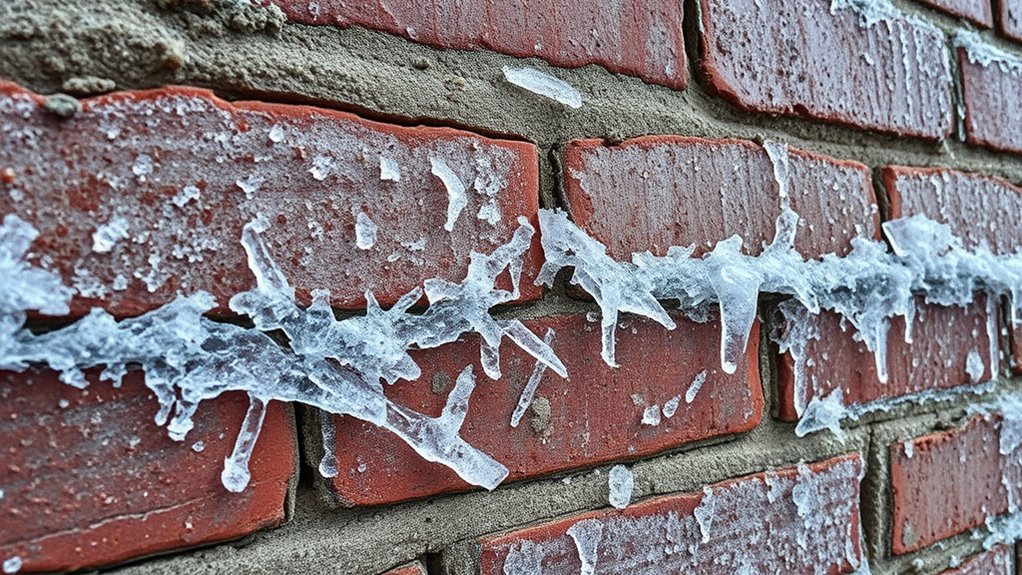
When water seeps into cracks and porous surfaces, it can cause significant damage during freeze-thaw cycles. Materials prone to this damage often have high porosity or low durability, making them vulnerable to cracking and spalling. Common susceptible materials include unsealed concrete, clay bricks, natural stone like limestone, and certain types of asphalt. These materials absorb water easily, which expands when frozen, exerting pressure that worsens existing flaws. Over time, repeated freeze-thaw cycles weaken the material’s structure, leading to costly repairs. To mitigate this, you should consider sealing porous surfaces, choosing more durable materials, or applying protective coatings. Recognizing these vulnerable materials helps you plan maintenance and select appropriate strategies for cold climates. Proper identification reduces long-term damage and enhances durability, especially when considering the material properties that influence freeze-thaw resistance.
Testing Methods for Evaluating Freeze‑Thaw Durability
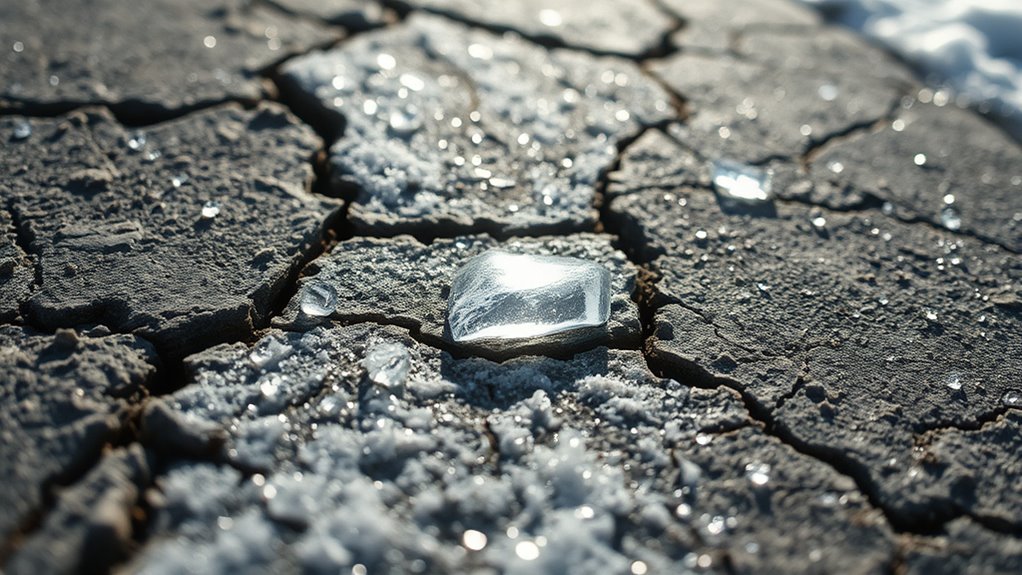
To assess a material’s resistance to freeze-thaw damage, you need reliable testing methods that simulate real-world conditions. One common approach is the ASTM C666 test, where samples are subjected to repeated freezing and thawing cycles in a controlled environment. During each cycle, temperatures fluctuate between freezing and above-freezing levels, mimicking outdoor conditions. You measure the material’s durability by observing changes in mass, strength, and appearance after multiple cycles. Additionally, understanding the effects of temperature fluctuations on materials helps in predicting long-term performance in cold climates. Another method, the rapid freeze-thaw test, accelerates the process, providing quicker results. These tests help identify weaknesses and predict how materials will perform over time in cold climates. Accurate testing guarantees you select durable materials, reducing the risk of failure and costly repairs caused by freeze-thaw damage.
Strategies for Enhancing Material Performance in Cold Environments
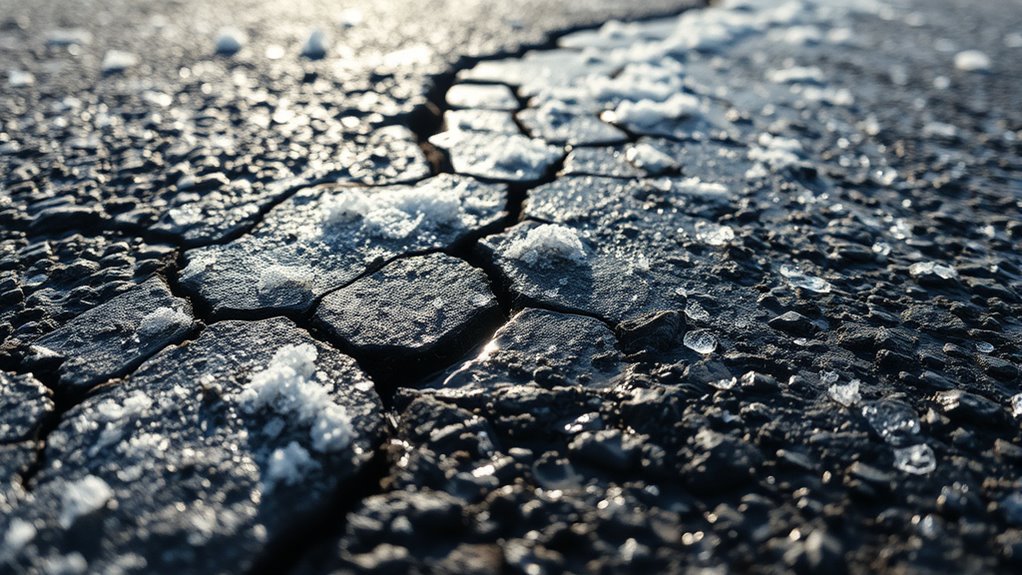
Enhancing material performance in cold environments requires implementing targeted strategies that improve durability and resistance to freezing conditions. You can achieve this by selecting materials with low water absorption, which reduces the risk of freeze-thaw damage. Incorporating air entrainment creates microscopic voids that accommodate ice expansion, preventing cracking. Using additives like anti-freeze agents can lower the freezing point and improve resilience. Proper curing and surface treatments also enhance resistance by minimizing moisture ingress. Additionally, choosing forsale 100 materials with proven freeze-thaw resistance ensures long-term durability in harsh climates.
- Choose materials with proven freeze-thaw resistance.
- Incorporate air-entraining agents for volume expansion management.
- Use protective coatings or sealants to limit moisture entry.
- Optimize mix designs for low permeability and high durability.
Design Considerations for Cold Climate Constructions
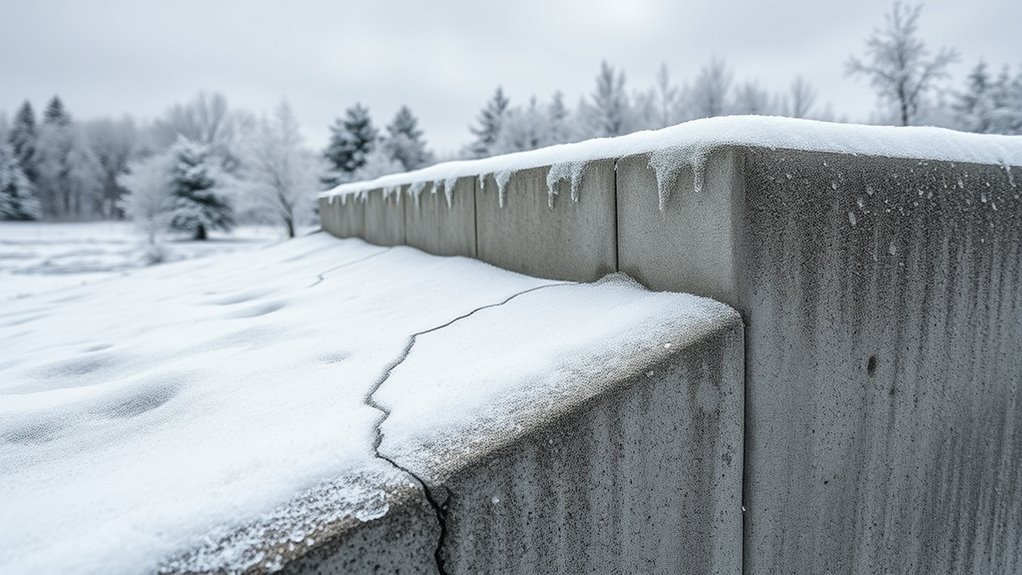
When designing for cold climates, selecting the right materials is essential to withstand low temperatures and moisture. You need effective drainage and vapor barriers to prevent water infiltration and condensation issues. Additionally, proper insulation and expansion control are key to maintaining energy efficiency and structural integrity. Using materials with good durability against material spoilage and moisture damage can significantly enhance the longevity of cold climate constructions.
Material Selection Strategies
Have you considered how material choices impact the performance of structures in cold climates? Selecting the right materials is vital to withstand freeze-thaw cycles and prevent damage. Focus on materials with low water absorption to reduce ice formation within pores, which can cause cracking. Prioritize durability and thermal resistance to minimize stress from temperature fluctuations. Think about the material’s ability to resist frost damage and its compatibility with insulation systems. Additionally, consider ease of maintenance and long-term cost-effectiveness. Incorporating AI-driven analytics can assist in predicting material performance and optimizing selection for harsh environments.
Drainage and Vapor Barriers
Effective drainage and vapor barrier strategies are crucial for maintaining the integrity of structures in cold climates. Proper drainage prevents water accumulation around foundations and walls, reducing the risk of freeze-thaw damage. Guarantee gutters and downspouts direct water away from the building, and use gravel or drainage mats to facilitate quick water runoff. Vapor barriers control moisture movement within wall assemblies, preventing condensation that can lead to mold or material deterioration. Install vapor barriers on the warm side of insulation to block moisture from entering cold spaces. Select durable, weather-resistant materials for these barriers to withstand harsh conditions. Properly designed drainage systems and vapor control strategies help preserve structural stability, minimize frost-related issues, and extend the lifespan of your building in cold environments.
Insulation and Expansion Control
How do you guarantee your building’s insulation and expansion controls perform at their best in cold climates? First, choose high-quality, continuous insulation to minimize thermal bridging and keep heat inside. Ensure expansion joints are properly designed and placed to accommodate movement caused by temperature fluctuations. Use flexible sealants and materials that allow for expansion without cracking or damage. Proper insulation reduces freeze-thaw cycles, preventing structural stress.
- Select insulation with high R-values suitable for low temperatures
- Incorporate thermal breaks to prevent heat loss at joints
- Design expansion joints for easy movement and durability
- Use weather-resistant, flexible sealants to maintain airtightness
Future Directions in Freeze‑Thaw Resistant Materials
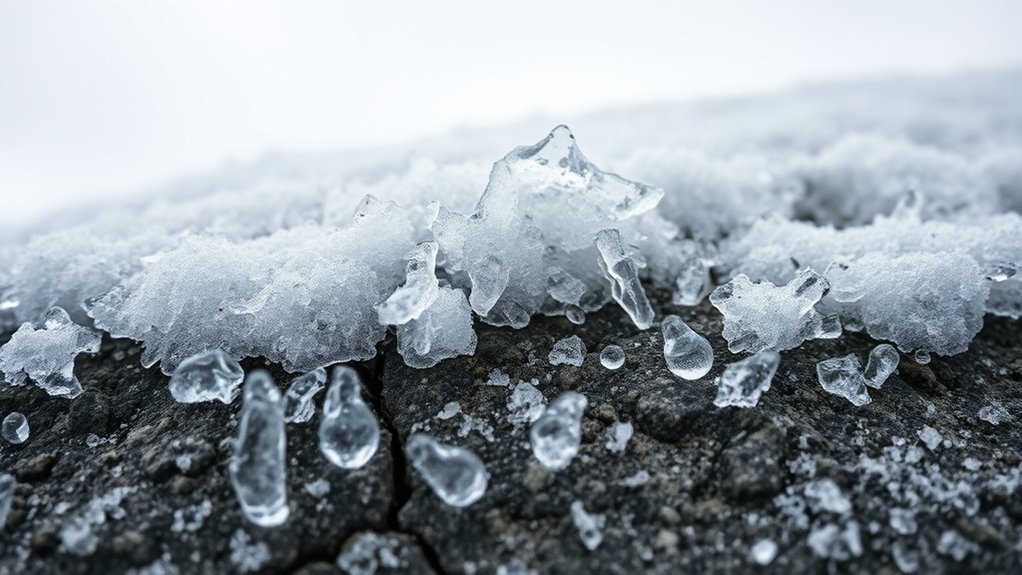
As climate patterns become more unpredictable, developing freeze-thaw resistant materials is more essential than ever. Researchers are focusing on advanced composites and smart materials that adapt to environmental changes, enhancing durability. You should explore nanotechnology, which can create coatings that repel water and prevent ice formation. Incorporating phase-change materials can help manage internal temperature fluctuations, reducing stress on structures. Recycling and sustainable materials will also play a role, ensuring solutions are eco-friendly. You might consider bio-inspired designs that mimic natural resilience against freeze-thaw cycles. The future lies in integrating these innovations to produce cost-effective, long-lasting materials that withstand severe climates. Nail Tips Staying ahead in research and adopting these technologies will be crucial for construction and infrastructure resilience in cold environments.
Frequently Asked Questions
How Do Climate Variations Affect Freeze-Thaw Deterioration Rates?
Climate variations markedly impact freeze-thaw deterioration rates. When temperatures fluctuate frequently around freezing, your materials undergo repeated expansion and contraction, accelerating damage. Heavy snowfall followed by rapid thawing exposes surfaces to constant moisture cycles, weakening them over time. Conversely, stable cold or mild conditions slow deterioration. You can reduce damage by selecting frost-resistant materials and applying protective coatings, especially in climates with unpredictable temperature swings.
What Are the Economic Impacts of Freeze-Thaw Damage?
You face significant economic impacts from freeze-thaw damage, including high repair costs for roads, bridges, and buildings. These damages lead to increased maintenance expenses and disruptions that slow down commerce and daily activities. Additionally, property values may decline in affected areas. You also spend more on preventative measures like durable materials and insulation, which can strain budgets but are necessary to reduce long-term costs associated with freeze-thaw deterioration.
Can Traditional Building Techniques Mitigate Freeze-Thaw Effects Effectively?
Think of traditional building techniques as a sturdy ship steering icy waters. They can mitigate freeze-thaw effects if built with proper materials, insulation, and drainage, much like a ship’s hull resists icy breakage. You should focus on using permeable materials that allow moisture escape and guarantee good drainage. While these methods help, they aren’t foolproof; continuous maintenance and modern enhancements can further protect your structure from damage.
Are There Eco-Friendly Materials Resistant to Freeze-Thaw Cycles?
Yes, eco-friendly materials like recycled concrete, certain clays, and bio-based insulations resist freeze-thaw cycles effectively. You can choose materials with low water absorption and good drainage properties to prevent damage. Incorporate natural additives or treatments that enhance durability without harming the environment. By selecting sustainable options, you guarantee your structures withstand temperature fluctuations while reducing ecological impact, creating resilient and eco-conscious buildings suited for cold climates.
How Does Urbanization Influence Freeze-Thaw Durability Challenges?
Imagine your city as a delicate glass sculpture constantly shifting and expanding. Urbanization intensifies freeze-thaw challenges by increasing surface pressures—think of cracks forming like tiny fractures in that sculpture. As more roads, buildings, and pavements emerge, they face repeated cycles of water infiltration and freezing, weakening materials over time. You need resilient, adaptable materials that can withstand this relentless dance of expansion and contraction to keep your city intact.
Conclusion
Understanding freeze-thaw durability is like preparing for a harsh winter’s storm—you need to be ready. By recognizing how cycles affect materials and applying the right strategies, you can build structures that stand strong through cold, relentless seasons. Think of your efforts as a shield, just as a sturdy coat protects you from the cold. With careful design and testing, you make certain your projects endure, resilient as a mountain standing firm against time’s relentless freeze.