Healthy skin isn’t just about topical products; it also depends on your overall lifestyle, diet, and hydration. By eating nutrient-rich foods, staying well-hydrated, and managing stress, you support your skin from the inside out. Sleep and regular exercise boost circulation and skin recovery, while avoiding smoking and excessive alcohol protects collagen. Focusing on these areas can make a real difference, and if you keep exploring, you’ll discover even more ways to improve your skin health.

Get workout gear delivered free with Prime
- Fast, free delivery on millions of items
- Prime Video, Amazon Music and more included
- Member-only deals all year
Key Takeaways
- True skin health relies on internal factors like diet and hydration, not just external topical treatments.
- Nutrients such as vitamins C and E support skin repair and aging, which topical products alone cannot provide.
- Lifestyle habits, including sleep, stress management, and exercise, significantly influence skin appearance and resilience.
- Topical products improve surface appearance but cannot address underlying health or nutritional deficiencies.
- A holistic approach combining internal health and external care yields more sustainable, radiant skin results.
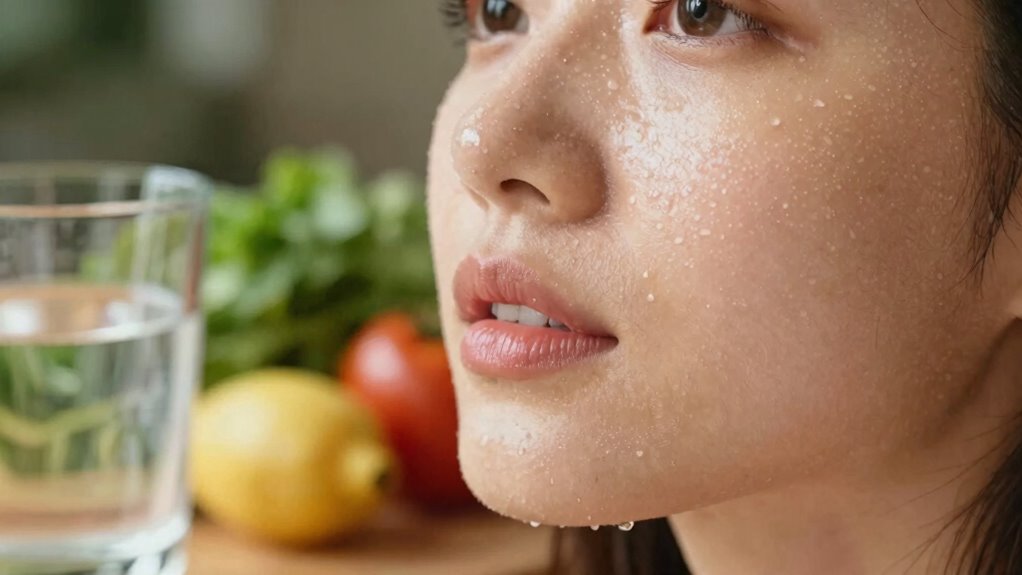
While applying topical products can improve your skin’s appearance, true skin health depends on more than just what you put on the surface. Your skin is a reflection of your overall health, which means factors like diet and hydration, along with your lifestyle habits, play a essential role in maintaining its vitality. No matter how many creams or serums you use, neglecting these foundational aspects can limit your skin’s potential and leave you disappointed with superficial results.
Your diet has a direct impact on your skin’s condition. Eating nutrient-rich foods fuels your body and provides essential vitamins and minerals that support skin repair and renewal. Incorporate plenty of fruits, vegetables, lean proteins, and healthy fats into your meals. Vitamins C and E, for example, are antioxidants that fight free radicals, reducing signs of aging and promoting a brighter complexion. Omega-3 fatty acids, found in fish and flaxseeds, help maintain your skin’s moisture barrier, preventing dryness and irritation. Conversely, a diet high in processed foods, sugar, and trans fats can cause inflammation and skin issues like acne or dullness. So, what you eat directly influences how your skin looks and feels. Recognizing the importance of nutrition for skin health can guide you toward more effective self-care routines.
A nutrient-rich diet with fruits, veggies, and healthy fats supports skin repair and a glowing complexion.
Hydration is equally essential. Water keeps your skin plump, elastic, and smooth. When you’re dehydrated, your skin can appear flaky, tired, and more prone to fine lines. Drinking enough water daily helps flush out toxins, supports collagen production, and ensures your skin cells function at their best. You should aim for at least eight glasses a day, but remember that individual needs vary based on activity levels and climate. Teas and hydrating foods like fruits and vegetables also contribute to your daily fluid intake, enhancing your skin’s overall health. Recognizing the importance of skin health factors can guide you toward more effective self-care routines. Additionally, the incident involving a Microsoft outage underscores the importance of having contingency plans, as reliance on digital tools for health tracking or communication can be disrupted unexpectedly. Maintaining awareness of skincare habits and their effects helps you make informed choices. Moreover, consistent hydration and good nutrition support your body’s natural detoxification processes, which are vital for maintaining healthy skin.
Lifestyle habits, including sleep, stress management, and physical activity, profoundly influence your skin’s health. Adequate sleep allows your skin to recover and regenerate, reducing dark circles and dullness. Chronic stress triggers hormone imbalances that can lead to breakouts and inflammation, so finding ways to relax—whether through meditation, exercise, or hobbies—can be beneficial. Regular physical activity boosts circulation, delivering oxygen and nutrients to skin cells while helping to eliminate toxins through sweat. Avoid smoking and excessive alcohol consumption, as these habits damage collagen and impair skin’s healing process.
Ultimately, taking care of your skin means adopting a holistic approach. Topical products are just one piece of the puzzle. By prioritizing good diet and hydration, along with healthy lifestyle habits, you support your skin from the inside out. This complete effort results in a more radiant, resilient complexion that topical treatments alone can’t achieve.
Vitamin C and E supplements for skin health
As an affiliate, we earn on qualifying purchases.
As an affiliate, we earn on qualifying purchases.
Frequently Asked Questions
How Does Sleep Affect Skin Health?
Sleep profoundly impacts your skin health by allowing your body to undergo essential sleep cycles and dream patterns that repair damage and boost cell renewal. When you get quality sleep, your skin produces more collagen, reducing wrinkles and dullness. Conversely, poor sleep can lead to increased inflammation and breakouts. So, prioritizing restful sleep helps your skin stay vibrant, resilient, and youthful by supporting its natural recovery processes.
Can Diet Influence Skin Conditions?
Yes, your diet can influence skin conditions. When you eat nutrient-rich foods, you improve nutrient absorption, giving your skin essential vitamins and minerals. Incorporating dietary antioxidants helps combat free radicals, reducing signs of aging and inflammation. By choosing foods high in antioxidants and supporting proper nutrient uptake, you can enhance your skin’s health from within, leading to a clearer, more radiant complexion.
What Role Does Hydration Play in Skin Health?
Hydration plays a vital role in your skin health by maintaining ideal hydration levels and ensuring adequate skin moisture. When you stay well-hydrated, your skin becomes plump, smooth, and resilient, reducing the appearance of fine lines and dryness. Proper hydration supports your skin’s barrier function, helping it fend off environmental damage. Drink enough water daily, and your skin will look healthier, more radiant, and better equipped to stay youthful.
How Does Stress Impact Skin Appearance?
Stress triggers hormonal fluctuations that can lead to breakouts, dullness, and premature aging. When you’re stressed, your body releases cortisol, which increases oil production and inflammation. Environmental pollutants further damage your skin, exacerbating these effects. You might notice more blemishes, uneven tone, or fine lines. Managing stress through relaxation techniques helps balance hormones, reduces inflammation, and shields your skin from pollutants, promoting a healthier, more radiant appearance.
Are Internal Health Issues Visible on the Skin?
Yes, internal health issues often show on your skin. Hormonal fluctuations can cause acne, dryness, or oiliness, while genetic predispositions might lead to conditions like eczema or psoriasis. When your internal health is off-balance, it affects your skin’s appearance and resilience. You can notice these signs through persistent breakouts, dullness, or irritation, prompting you to address underlying health concerns alongside topical treatments for better skin health.
Conclusion
Remember, your skin is like a garden—you can’t just water the plants and expect a lush landscape. It needs nourishing from within, a balanced diet, proper hydration, and good sleep to truly thrive. Topical products are just the surface; true skin health runs deeper. So, take care of your body as a whole, and your skin will reflect that inner glow. Treat your skin like the precious garden it is—nurtured from the inside out.
Halloween Picks
halloween
As an affiliate, we earn on qualifying purchases.