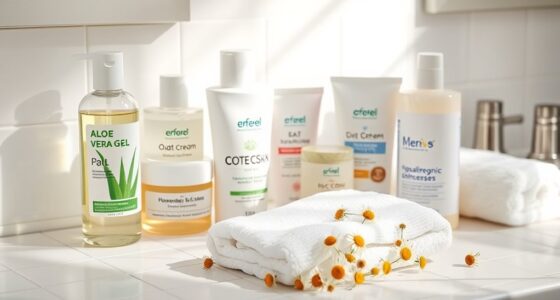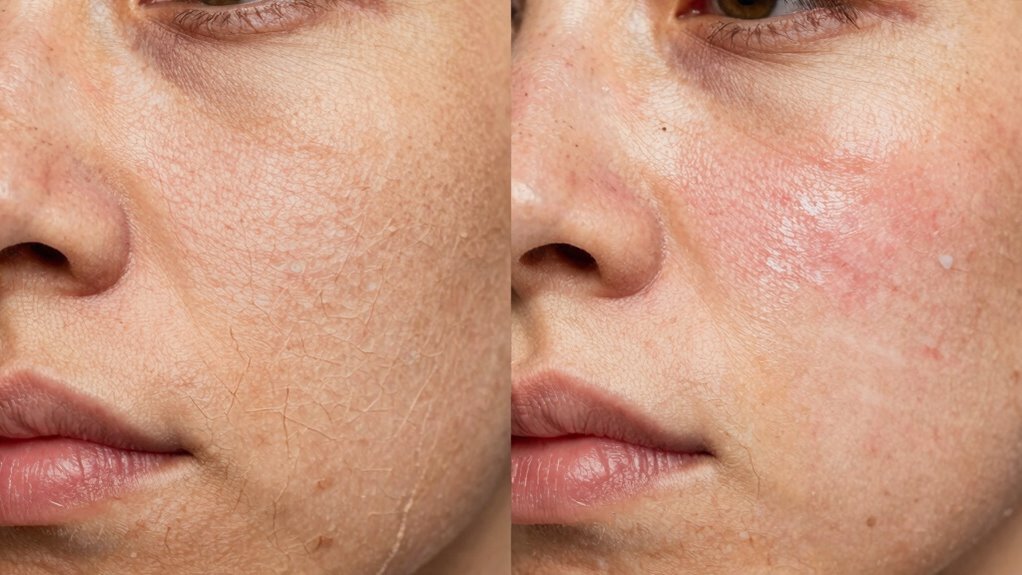

Dry skin is a skin type with low oil production, making it feel rough, flaky, and tight regardless of hydration. Dehydrated skin is a condition caused by water loss, resulting in dullness, tightness, and itchiness, but it can occur in any skin type. While dry skin needs emollients to restore oil, dehydrated skin benefits from hydrating ingredients like hyaluronic acid. Understanding these differences helps you choose the right products—keep going to discover how to best care for your skin.

Get workout gear delivered free — and shop member deals
- Fast, free delivery on millions of items
- Access to Prime Big Deal Days deals on October 6–7
- Prime Video, Amazon Music and more included
Key Takeaways
- Dry skin is a skin type with low oil production; dehydrated skin is a condition caused by water loss regardless of oil levels.
- Dry skin feels consistently rough, flaky, and tight, while dehydrated skin appears dull, tight, and may be itchy.
- Replenishing oils helps treat dry skin; boosting water content with humectants addresses dehydration.
- External factors like harsh cleansers and pollutants worsen dehydration and irritation.
- Both conditions can coexist; targeted skincare focuses on either oil replenishment or hydration for improvement.
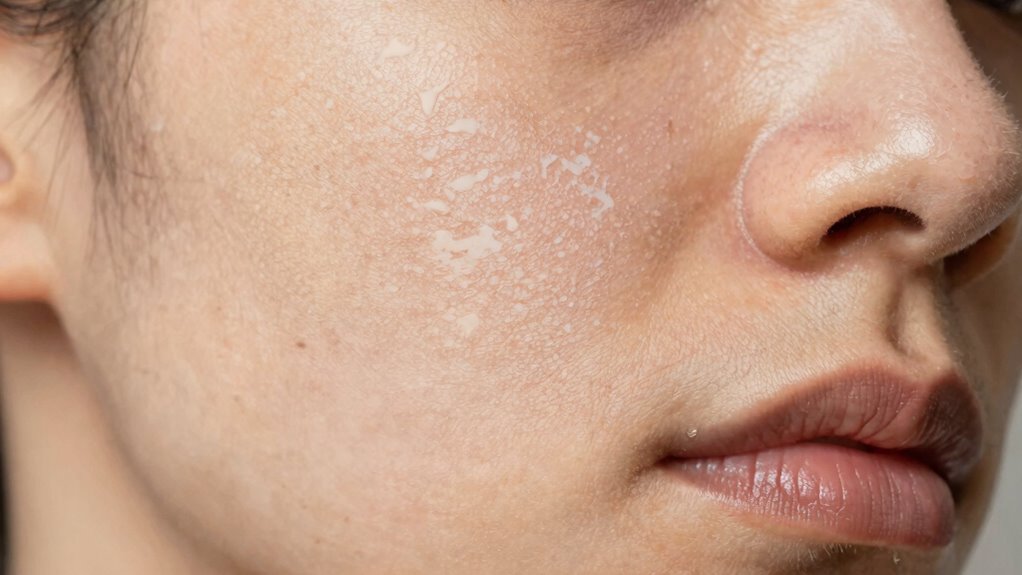
Understanding the difference between dry and dehydrated skin is essential for choosing the right skincare routine. While they might seem similar at first glance, they stem from different causes and require distinct approaches. Dry skin is a skin type, often genetic, characterized by a persistent lack of oil production. When your skin produces less sebum, it struggles to maintain its natural moisture barrier, leading to a rough, flaky, or tight feeling. This type of skin generally feels dry all the time, regardless of weather or hydration levels, because the root issue lies in oil production. On the other hand, dehydrated skin isn’t a skin type but a condition that can affect anyone, regardless of their natural skin type. It occurs when your skin loses water, not oil, often due to environmental factors like dry air, harsh cleansers, or inadequate hydration. This results in a dull, tight, and sometimes itchy appearance, but the core problem is insufficient skin hydration. Recognizing that dehydration can be caused by environmental factors helps in understanding how external influences impact your skin’s water content.
If you have dry skin, your focus should be on replenishing oil production and strengthening your skin’s barrier. Using rich emollients and occlusive ingredients helps lock in moisture and prevent further water loss. These products work by supporting your skin’s natural oil levels, making your skin feel softer and less prone to flaking. Meanwhile, for dehydrated skin, the goal is to boost skin hydration directly. Ingredients like hyaluronic acid, glycerin, and aloe vera draw moisture into the skin, restoring its suppleness and reducing the tightness that dehydration causes. Drinking plenty of water also plays a crucial role in maintaining proper hydration levels, but topical hydration is equally important. Recognizing that environmental factors like dry air and harsh skincare products can exacerbate dehydration can help you better address the condition. Additionally, understanding the distinction between skin types and conditions ensures you select appropriate products that won’t further disrupt your skin’s balance. Incorporating proper skin care practices tailored to your specific skin needs can significantly improve your skin’s overall health.
It’s imperative to recognize that dry skin often produces less oil, but this doesn’t necessarily mean it’s dehydrated. Conversely, even oily skin can be dehydrated if it lacks sufficient water content. Paying attention to how your skin reacts and feels can help you determine whether you should focus on balancing oil production or increasing skin hydration. Moreover, understanding the role of microplastics in dust and other environmental pollutants is vital, as they can contribute to skin irritation and dehydration by disrupting the skin’s barrier. Using the wrong products can worsen either condition—overly harsh cleansers can strip away natural oils, aggravating dry skin, while overly drying products can dehydrate even oily skin. In essence, understanding whether your skin’s main issue is oil deficiency or water loss allows you to tailor your skincare routine effectively. By addressing the specific needs of your skin type and condition, you’ll improve your skin’s health, appearance, and comfort.
As an affiliate, we earn on qualifying purchases.
Frequently Asked Questions
Can Dry Skin Ever Become Dehydrated?
Yes, dry skin can become dehydrated, especially if your skin barrier weakens or you fall for hydration myths that suggest only drinking water is enough. When your skin barrier is compromised, it can’t retain moisture properly, leading to dehydration symptoms even if your skin feels dry. To prevent this, focus on nourishing your skin with proper hydration and barrier-strengthening ingredients, rather than just relying on surface-level remedies.
How Do Climate Changes Affect Dry Versus Dehydrated Skin?
Did you know that 70% of people notice skin changes with climate shifts? Climate changes considerably impact dry and dehydrated skin by challenging your skin barrier, making it harder to retain moisture. Cold, dry air exacerbates dryness, while humidity can temporarily soothe dehydration. To adapt, you need climate-specific skincare routines that support your skin barrier, helping it protect against environmental stressors and maintain balanced hydration levels in changing conditions.
Are There Specific Ingredients Better for Dry or Dehydrated Skin?
For dry skin, look for rich emollients like shea butter or oils that provide long-lasting moisture, supporting ingredient synergy for deep hydration. Dehydrated skin benefits from lightweight, hydrating ingredients like hyaluronic acid or glycerin that attract water. A good formulation focus balances these ingredients, ensuring your skin receives the moisture it needs without feeling heavy. Choose products tailored to your skin’s specific needs for ideal hydration and comfort.
How Long Does It Take to See Improvements?
You might see improvements in your skin in just a few days, but beware of hydration myths—true progress depends on strengthening your skin barrier. In two weeks, you’ll notice better moisture retention and smoother texture. Consistent skincare, hydration, and patience are key. Don’t expect overnight miracles. Your skin’s resilience grows as you nurture it, revealing a healthier, more radiant look that keeps dehydration at bay.
Can Dehydration Cause Permanent Skin Damage?
Dehydration can cause temporary skin issues, but it usually won’t lead to permanent damage if you restore proper hydration. When your skin remains chronically dehydrated, it can weaken your skin barrier, making it more vulnerable to environmental damage. Maintaining healthy hydration cycles helps protect your skin’s integrity, but prolonged dehydration might impair your skin’s ability to recover, so addressing dehydration early is essential to prevent long-term issues.
Conclusion
Understanding the difference between dry and dehydrated skin is like knowing whether your skin is a desert without water or a sponge needing moisture. When you identify what your skin truly needs, you can tailor your skincare routine to nourish and restore it. Think of your skin as a garden—watering it correctly helps it flourish, while neglect leaves it dull and parched. Take the time to listen, and your skin will thank you with a healthy glow.
Fall Picks
fall essentials
As an affiliate, we earn on qualifying purchases.