
TL;DR

Get workout gear delivered free with Prime
- Fast, free delivery on millions of items
- Prime Video, Amazon Music and more included
- Member-only deals all year
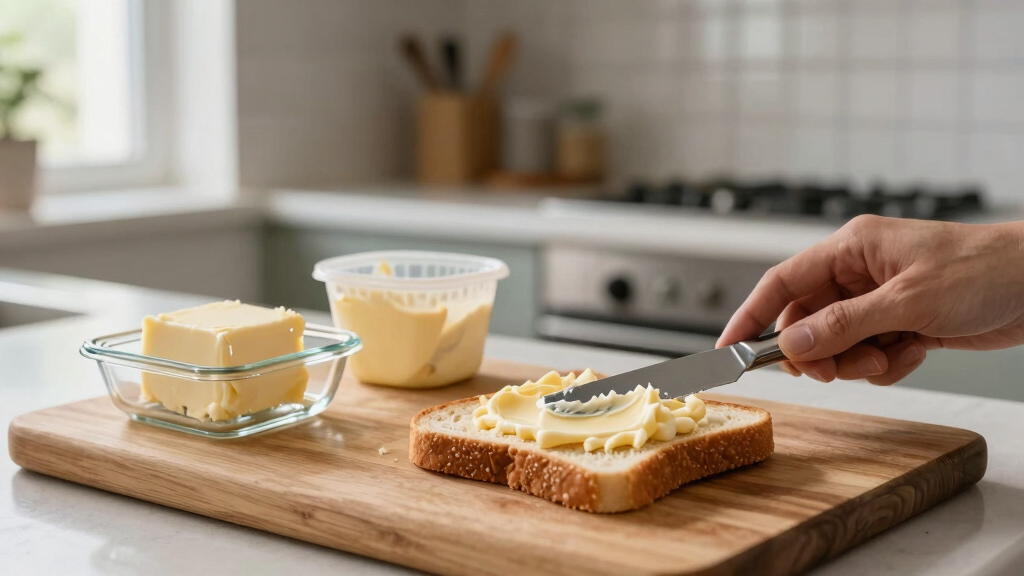
Butter and margarine look alike but differ significantly in their chemical makeup. This affects their health implications and culinary uses. The key differences are now confirmed through recent scientific insights.
Recent scientific analyses confirm that butter and margarine, though visually similar, differ fundamentally in their chemical composition. These differences impact their health effects and how they perform in cooking, making the distinction more important than ever for consumers and food professionals alike.
Scientists have clarified that butter is a natural dairy product primarily composed of saturated fats, while margarine is a processed oil-based spread that contains trans fats and unsaturated fats. Recent studies, published in early 2024, highlight that these chemical differences influence not only nutritional profiles but also how each product reacts under heat during cooking. Experts emphasize that understanding these distinctions can guide healthier choices and better culinary results. However, specific health implications and the full impact of trans fats in margarine remain subjects of ongoing research, and regulatory standards continue to evolve to address these concerns.Health and Culinary Impacts of Chemical Differences
This development matters because it clarifies misconceptions about these common spreads, influencing consumer choices and dietary advice. The chemical makeup of butter and margarine affects their health implications, especially regarding saturated and trans fats linked to cardiovascular risks. Additionally, understanding their different behaviors in cooking can improve culinary outcomes and food safety. As public awareness grows, clearer information can support more informed decisions, potentially leading to shifts in consumption patterns and regulatory policies.As an affiliate, we earn on qualifying purchases.
Historical Use and Recent Scientific Clarifications
Butter has been used for centuries as a natural dairy product, valued for its flavor and cooking qualities. Margarine was developed in the late 19th century as a cheaper alternative, initially made from animal fats and later from vegetable oils. Over recent decades, concerns about trans fats in margarine prompted regulatory changes and reformulations. The latest research, published in 2024, confirms that these products are chemically distinct, with implications for health and culinary applications. The ongoing debate about dietary fats underscores the importance of understanding these differences, especially as consumers seek healthier options.“Our recent analysis confirms that butter and margarine are chemically distinct, which influences their health effects and how they behave when cooked.”
— Dr. Emily Carter, Food Chemist
Unanswered Questions About Long-term Health Effects
While the chemical differences are now confirmed, the long-term health impacts of trans fats in margarine versus saturated fats in butter are still under study. The extent to which these differences influence cardiovascular health over decades remains to be fully understood, and ongoing research continues to evaluate the safety and regulation of processed fats.Future Research and Regulatory Developments
Researchers will continue to investigate the health implications of different fats in butter and margarine, with potential updates to dietary guidelines. Regulatory agencies may also tighten standards on trans fats and processed fats in spreads, influencing manufacturing practices and labeling. Consumers are advised to stay informed about product formulations and consult health professionals for personalized dietary advice. The ongoing scientific discourse aims to clarify the safest choices for heart health and overall wellness.Key Questions
Are butter and margarine equally healthy?
Both products have different health profiles. Butter contains saturated fats, which can impact heart health if consumed excessively. Margarine, especially older formulations, contained trans fats, which are linked to increased cardiovascular risk. Recent reformulations aim to reduce trans fats, but health effects depend on individual consumption patterns and product types.
How do their chemical differences affect cooking?
Butter’s saturated fats give it a rich flavor and stability at high temperatures, making it ideal for baking and frying. Margarine’s unsaturated fats can behave differently, sometimes resulting in different textures or flavors, depending on its formulation. Understanding these differences can improve culinary results.
What should consumers look for on labels?
Consumers should check for trans fat content and ingredient lists. Products labeled as trans fat-free or with minimal trans fats are preferable. Paying attention to whether the spread is made from vegetable oils or dairy can also inform healthier choices.
Will regulations change based on these findings?
Regulatory agencies may update standards to limit trans fats further and require clearer labeling. Ongoing research into long-term health effects could influence future dietary guidelines and manufacturing practices.
Source: rss
Fall Picks
fall essentials
As an affiliate, we earn on qualifying purchases.