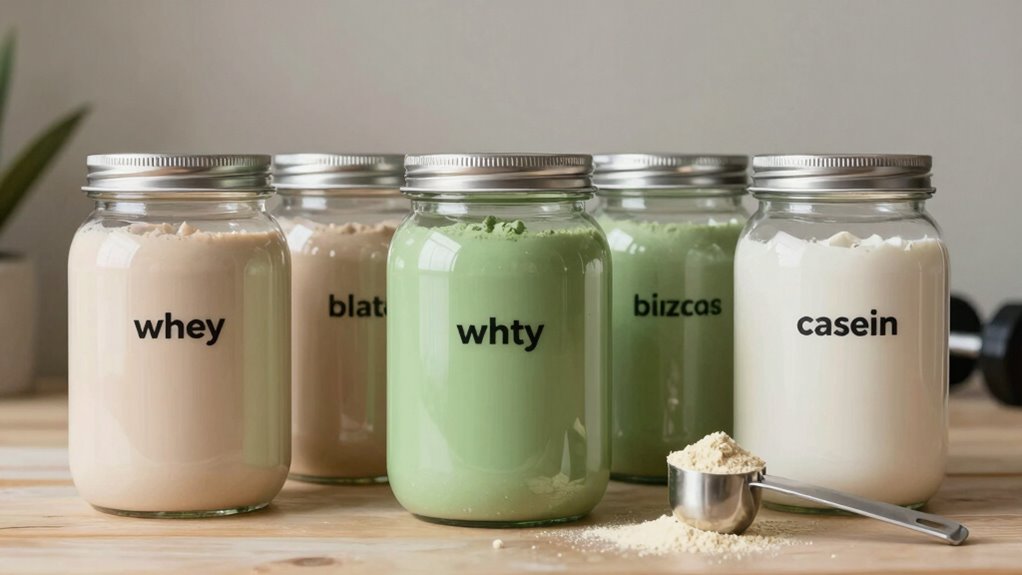

Choosing the right protein powder depends on your goals and preferences. If you’re building muscle or need fast recovery, go for animal-based options like whey or casein, which are complete and absorb quickly. For weight management or plant-based diets, blends of pea, rice, or hemp can work, especially when paired to improve amino profiles. Understanding these differences helps you customize your intake for better results—keep exploring to find out more.

Get workout gear delivered free with Prime
- Fast, free delivery on millions of items
- Prime Video, Amazon Music and more included
- Member-only deals all year
Key Takeaways
- Choose animal-based proteins like whey for fast absorption and complete amino acids, ideal for muscle recovery.
- Blend plant proteins such as pea and rice for a complete amino acid profile and improved bioavailability.
- Use plant-based powders for weight management due to lower calories and fat content.
- Match protein type to your goal: quick-absorbing for muscle gain, slow-digesting for sustained satiety.
- Prioritize minimally processed, high-quality powders to maximize digestibility and nutrient absorption.
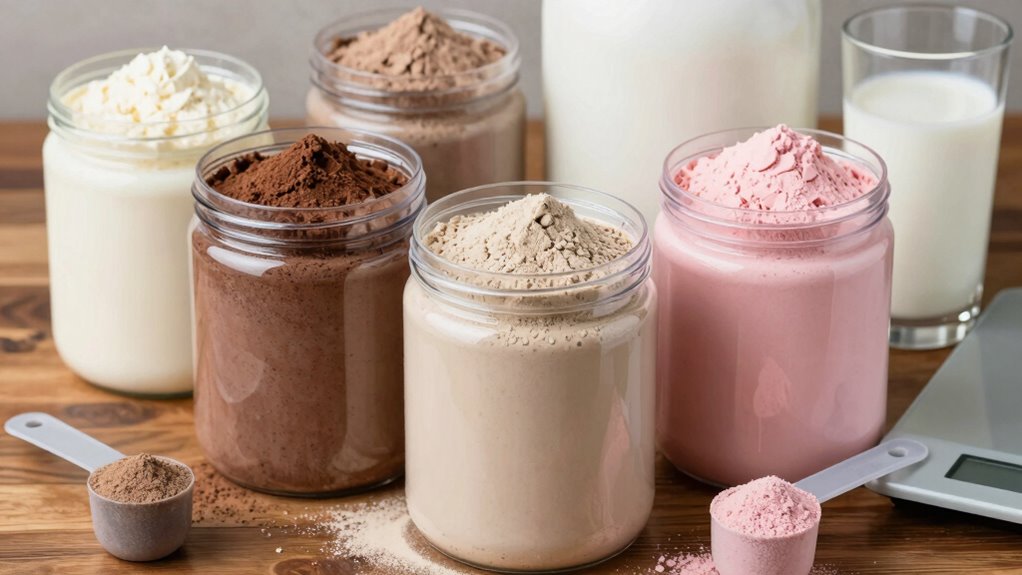
Protein powders have become a popular supplement for those looking to boost their daily protein intake, whether for muscle building, weight management, or overall health. If you’re exploring plant-based sources, you’ll find options like pea, rice, hemp, and soy protein powders. These plant-based proteins are excellent choices if you follow a vegetarian or vegan lifestyle, or if you simply want to diversify your nutrient intake. When choosing a plant-based powder, consider how well your body absorbs the protein. Some plant proteins might have lower bioavailability compared to animal-based options, meaning your body could take longer to extract and utilize the amino acids. However, many plant proteins are now processed to improve their protein absorption, making them more comparable to animal sources. Blending different plant proteins can also enhance amino acid profiles and boost absorption, giving you a more complete protein source.
Plant-based protein powders vary in absorption; blending sources can create a more complete, efficiently absorbed protein profile.
Your goals will determine which type of protein powder suits you best. If you’re aiming to build muscle, you need a protein source that provides a complete set of amino acids and is absorbed efficiently. Animal-based proteins like whey and casein naturally contain all essential amino acids and are quickly absorbed, making them ideal for post-workout recovery. But if you prefer plant-based options, look for blends or fortified options that combine multiple sources to improve amino acid completeness and absorption rates. Some plant proteins, like soy, are naturally complete, but others, like rice or pea, might need to be paired with complementary sources to cover all essential amino acids. Additionally, considering the contrast ratio of your supplements can influence how well your body perceives and utilizes the nutrients, especially when aiming for optimal recovery and health benefits. Incorporating a variety of protein sources can also help ensure you’re getting a broad spectrum of amino acids and nutrients.
If weight management is your goal, protein powders can help you feel full longer, curb cravings, and support fat loss when combined with a balanced diet. Here, the focus shifts to choosing a protein that’s not only effective but also supports your caloric goals. Plant-based powders are often lower in fat and calories than some animal-based options, making them a good fit for weight control. Plus, they tend to be easier on digestion for many people, reducing bloating or discomfort that can interfere with your regimen. In addition, selecting protein powders with minimal additives can improve digestibility and overall health benefits.
Ultimately, matching the right protein powder to your goals involves understanding the nuances of plant-based sources and how well your body absorbs them. Whether you prioritize muscle gain, weight loss, or overall health, selecting a protein that aligns with your lifestyle and nutritional needs will help you maximize benefits. Keep in mind that consistency and proper timing of intake are just as important as the type of protein you choose.
whey protein powder for muscle recovery
As an affiliate, we earn on qualifying purchases.
As an affiliate, we earn on qualifying purchases.
Frequently Asked Questions
Are Protein Powders Suitable for Vegetarians or Vegans?
Yes, protein powders are suitable for vegetarians and vegans. You can choose plant-based alternatives like pea, rice, or hemp protein powders that align with your dietary restrictions. These options provide essential amino acids and support muscle recovery just like animal-based proteins. By selecting the right plant-based protein, you meet your nutritional needs without compromising your vegetarian or vegan lifestyle.
How Long Does It Take to See Results From Protein Supplements?
Like planting seeds, your body begins to see results from protein supplements in about 2-4 weeks. You’ll notice improved muscle recovery and energy boosting within this timeframe if you’re consistent with your intake and workouts. Just as a garden flourishes with regular care, your muscles strengthen and recover faster when you regularly fuel them with the right protein, making progress visible over a few short weeks.
Can Protein Powders Replace Whole Foods Entirely?
Protein powders shouldn’t replace whole foods entirely, even as a meal replacement. Whole foods provide essential nutrients, fiber, and variety that powders can’t offer alone. If you rely solely on protein powders, your digestive health might suffer due to lack of fiber and other nutrients. Use protein powders as a supplement, not a complete substitute, and aim to include whole foods in your diet for balanced nutrition and the best health.
Are There Any Health Risks Associated With Excessive Protein Intake?
Did you know that excessive protein intake can increase the risk of liver strain and kidney problems? If you consume too much, it may put stress on your liver and kidneys, potentially impairing their function over time. While moderate amounts are safe for most, consistently overeating protein can threaten your kidney health. Always balance your intake and consult a healthcare professional to avoid these health risks.
What’s the Best Time of Day to Consume Protein Powders?
The best time of day to consume protein powders depends on your goals and meal timing. If you’re looking to build muscle, taking protein post-workout helps optimize recovery because of faster digestion speed. For sustained energy or weight management, spreading out protein intake throughout the day supports steady amino acid levels. Ultimately, consume protein powders when it fits your schedule and aligns with your digestion speed, ensuring you maximize their benefits.
Conclusion
Think of choosing a protein powder like selecting the right key for a lock. Each type opens a different door—whether building muscle, losing weight, or recovering. When you pick the one that fits your goal, you’re not just fueling your body but revealing your potential. Trust your instincts and needs, and you’ll find the perfect fit. Remember, the right key makes all the difference on your journey to health.
Halloween Picks
halloween
As an affiliate, we earn on qualifying purchases.