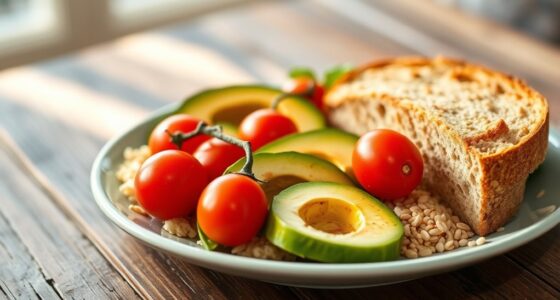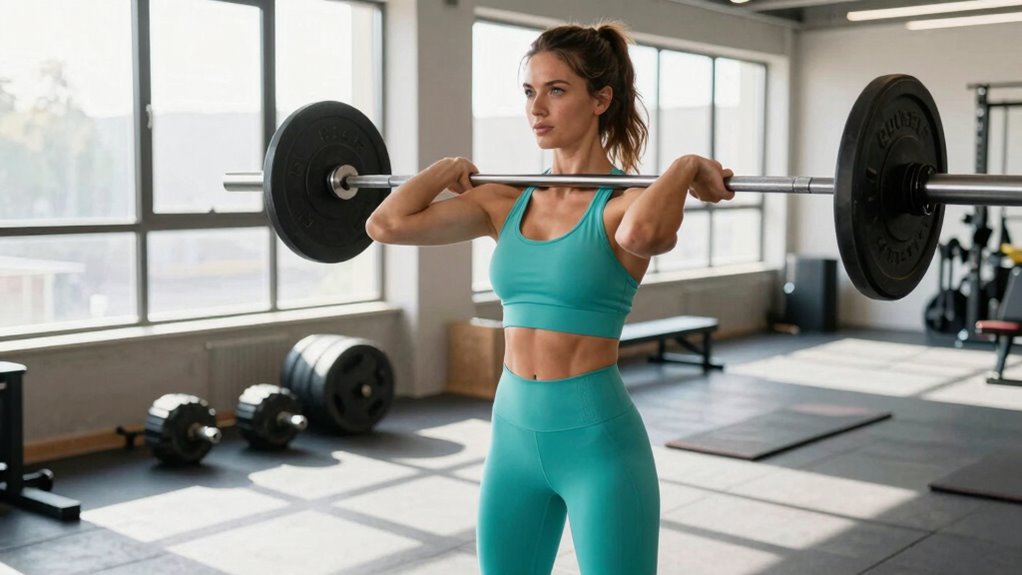

As an active woman, you need more protein than sedentary individuals to support muscle repair, boost energy, and improve performance. Aim for about 1.2 to 2.0 grams per kilogram of your body weight daily, especially if you’re doing resistance or endurance training. Spreading your intake across meals helps your body absorb and use it efficiently. To discover how to tailor your protein intake for your goals, keep exploring.

Get workout gear delivered free with Prime
- Fast, free delivery on millions of items
- Prime Video, Amazon Music and more included
- Member-only deals all year
Key Takeaways
- Active women generally need between 1.2 to 2.0 grams of protein per kilogram of body weight daily.
- Protein needs increase with resistance training, endurance sports, or intense physical activity.
- High-quality protein sources like lean meats, dairy, eggs, and plant-based options improve absorption and muscle repair.
- Spreading protein intake evenly across meals maximizes muscle recovery and maintains energy levels.
- Individual goals and activity levels should guide personalized protein intake within recommended ranges.

If you’re an active woman aiming to optimize your health and performance, understanding how much protein you need is vital. Protein plays a key role in supporting your body’s functions, especially when it comes to muscle recovery and maintaining energy levels. But the amount of protein your body absorbs and utilizes depends on various factors, such as your activity level, age, and overall health. Knowing your individual needs helps you tailor your diet for better results, whether you’re hitting the gym, running, or engaging in other physical activities.
Understanding your protein needs is essential for active women aiming to boost performance and recovery.
When you consume protein, your body begins the process of protein absorption in your digestive system. Not all protein sources are equal, and your body’s ability to absorb and use these proteins efficiently can vary. High-quality proteins, such as lean meats, dairy, eggs, and plant-based options like beans and soy, are more easily absorbed and provide a complete set of amino acids needed for muscle repair. To maximize muscle recovery, it’s important to distribute your protein intake throughout the day, ensuring your body has a steady supply of amino acids to repair and build tissues after workouts.
Active women tend to need more protein than sedentary women because physical activity, especially resistance training and endurance sports, increases the demand for muscle repair and growth. When you push your body during exercise, tiny tears develop in your muscle fibers. Protein provides the building blocks necessary for repairing these tears, leading to stronger, more resilient muscles over time. Consuming enough protein also helps reduce soreness and fatigue, allowing you to train more consistently and effectively.
The general recommendation for active women is around 1.2 to 2.0 grams of protein per kilogram of body weight daily. However, this range can vary based on your specific activity level and goals. For example, if you’re in a heavy training phase or trying to build muscle, you’ll lean toward the higher end of that spectrum. To optimize your muscle recovery, pair your protein intake with sufficient hydration and overall balanced nutrition. Remember that your body’s ability to absorb protein isn’t limitless; spreading your intake across multiple meals helps guarantee your muscles get a continuous supply of amino acids, boosting recovery and performance.
As an affiliate, we earn on qualifying purchases.
Frequently Asked Questions
Does Protein Intake Vary With Different Types of Exercise?
Yes, your protein intake varies with different types of exercise. For strength training, you need more dietary sources of protein to support muscle repair and growth. Endurance activities also require increased protein for recovery, but in smaller amounts. Your body’s ability for protein absorption influences how much you need, so consuming high-quality sources like lean meats, dairy, or plant-based options guarantees effective utilization. Adjust your intake based on your activity intensity and goals.
Can Too Much Protein Negatively Affect Active Women’s Health?
Think of your body as a finely tuned engine; too much protein is like overfueling it. Excess protein can strain your digestion and kidneys, potentially leading to dehydration or nutrient imbalances. While adequate protein aids muscle recovery, overdoing it won’t boost gains and might cause discomfort. Keep your intake balanced, ensuring your digestion efficiently processes protein and supports peak muscle recovery, without overloading your system.
Are Plant-Based Proteins as Effective as Animal-Based Ones?
Plant-based proteins can be just as effective as animal-based ones, despite common plant protein myths suggesting they’re inferior. While animal proteins offer complete amino acids, many plant sources like quinoa and soy do too, providing essential nutrients. You can meet your protein needs from plant foods by eating a variety of sources, ensuring you get all the benefits, including fiber and antioxidants, which animal protein benefits often lack.
How Does Age Influence Protein Needs for Active Women?
As you age, your metabolism slows down, and your muscles start throwing a farewell party — so you need more protein to keep them around. Active women should increase intake to combat age-related muscle loss and support recovery. Forget fairy tales about “less need” — aging demands more protein, not less. Prioritize it to preserve strength, stay energized, and outsmart the clock, because muscle preservation isn’t a myth.
What’s the Best Time of Day to Consume Protein?
The best time of day to consume protein is shortly after your workout, as it maximizes muscle repair and recovery through ideal meal timing. Consuming protein within 30-60 minutes enhances protein absorption, helping your body effectively utilize nutrients. You can also spread your intake evenly throughout the day to support sustained energy and muscle maintenance. Prioritizing protein at these strategic times ensures your active lifestyle gets the nutritional boost it needs.
Conclusion
So, next time you’re sweating it out at the gym, remember: you probably don’t need enough protein to build a small army. Just enough to keep your muscles from turning into spaghetti, and maybe impress your friends with a protein shake or two. Don’t stress over exact grams—just fuel your body, avoid turning into a snack for the carb monsters, and keep crushing those workouts. After all, perfection is overrated, but a good protein balance is not.
Fall Picks
fall essentials
As an affiliate, we earn on qualifying purchases.