
To optimize micronutrient absorption, take fat-soluble vitamins with meals containing healthy fats, and water-soluble vitamins like B and C in the morning or between meals. Space out minerals like calcium, magnesium, zinc, and iron to prevent competition, and pair nutrients for better uptake—like vitamin C with iron or fats with fat-soluble vitamins. Avoid high-calcium foods or inhibitors like tannins close to supplements. Keep your schedule consistent to support better absorption; discover more strategies to enhance your nutrient intake.
Key Takeaways
- Take fat-soluble vitamins (A, D, E, K) with meals containing healthy fats for better absorption.
- Space out mineral supplements like calcium, magnesium, zinc, and iron to prevent competition and enhance uptake.
- Pair iron-rich foods with vitamin C sources, such as citrus or peppers, to boost non-heme iron absorption.
- Avoid consuming calcium or tannin-rich beverages (tea, coffee) during iron-rich meals to prevent mineral interference.
- Consume water-soluble vitamins (B, C) in the morning or between meals for optimal effectiveness.

Patient One Fat Soluble Vitamins Complete | Supplement to Support Whole-Body Wellness* | with Vitamins A, D, E, K, Carotenoids and More | 60 Capsules
Broad Spectrum Support: Promotes eye health and visual acuity, enhances skin pigmentation and appearance, supports auditory function and…
As an affiliate, we earn on qualifying purchases.
As an affiliate, we earn on qualifying purchases.
The Impact of Meal Composition on Micronutrient Absorption

The composition of your meals considerably influences how well your body absorbs micronutrients. Fiber interactions play a pivotal role; soluble fiber can bind to minerals like calcium and magnesium, reducing their absorption. Conversely, insoluble fiber may speed up digestion, impacting nutrient availability. Fat absorption is also affected by meal makeup—adding healthy fats enhances the absorption of fat-soluble vitamins such as A, D, E, and K. Without enough dietary fat, your body struggles to utilize these essential nutrients efficiently. Combining micronutrient-rich foods with appropriate fats ensures better absorption. Be mindful of fiber content, especially in high-fiber diets, as it can interfere with mineral uptake. Your meal’s balance directly impacts how effectively your body processes critical micronutrients, emphasizing the importance of thoughtful meal composition. Additionally, understanding the role of enzymes in digestion can further optimize nutrient absorption. Furthermore, the contrast ratio of your meals, such as the presence of fats and fibers, can influence how nutrients are processed and absorbed by your body. Incorporating foods with bioavailability factors can also enhance nutrient uptake, making your diet more effective.

Extravagant Value 3-in-1 Immune Support Combo with Iron Supplement 25mg + 1000mg Vitamin C + Ginger Root, Gentle & Stomach Friendly for Energy & Iron Deficiency Support, Non-GMO, 150 Tablets
High Absorption Iron + Vitamin C 1000mg: Formulated with powerful Vitamin C 1000mg to maximize iron absorption and…
As an affiliate, we earn on qualifying purchases.
As an affiliate, we earn on qualifying purchases.
Best Times of Day to Take Key Vitamins and Minerals

Timing your intake of vitamins and minerals can considerably influence how well your body absorbs and uses them. To maximize absorption, consider timing strategies that align with your body’s natural rhythms. For example, taking fat-soluble vitamins like A, D, E, and K with a meal containing healthy fats boosts absorption thanks to absorption enhancers. Water-soluble vitamins such as B vitamins and vitamin C are best taken in the morning or between meals to prevent interference from other nutrients. Minerals like magnesium and calcium often compete for absorption, so spacing their intake throughout the day can help. Proper toilet maintenance and awareness of common issues can prevent plumbing problems that might disrupt your routine. Additionally, choosing professional hair color brands for coloring treatments can help maintain hair health during supplement routines. Understanding nutrient interactions can further optimize your supplement strategy and ensure your body effectively utilizes the nutrients when they’re most accessible. Proper timing can also support hormonal rhythms, which play a role in nutrient absorption and metabolism. Consistency is key; sticking to a routine ensures your body can efficiently utilize these nutrients when they’re most accessible. Proper timing can make a significant difference in your micronutrient effectiveness.

Nature's Bounty Calcium Magnesium & Zinc Caplets, Immune & Bone Health, Daily Supplement, 1000mg Calcium, 400mg Magnesium, 600 IU Vitamin D, Gluten Free, 100 Caplets
ESSENTIAL MINERALS FOR BONE SUPPORT: The Calcium and Magnesium in Nature’s Bounty Calcium Magnesium Zinc Caplets contribute to…
As an affiliate, we earn on qualifying purchases.
As an affiliate, we earn on qualifying purchases.
How to Combine Foods for Enhanced Nutrient Uptake
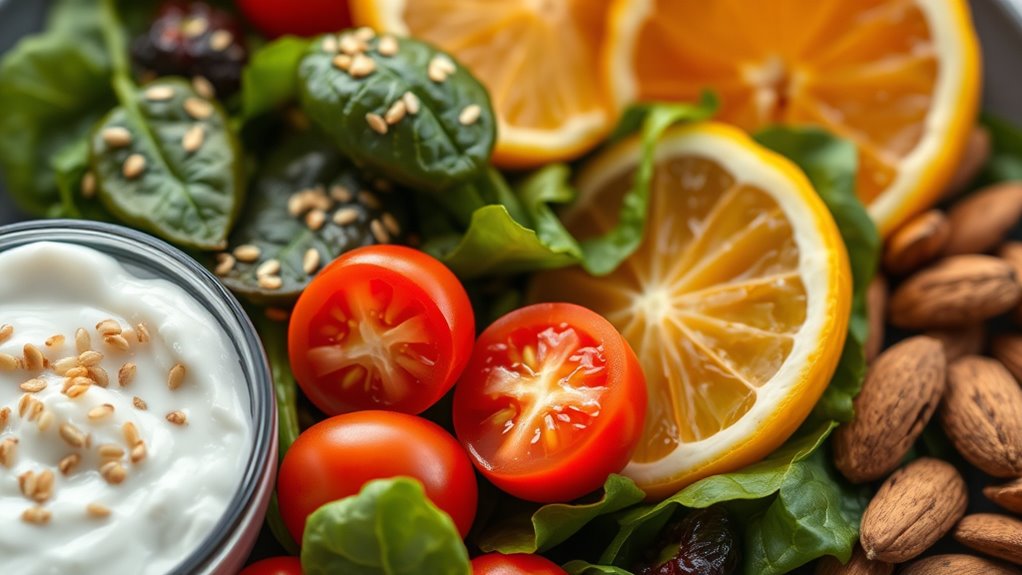
You can boost your nutrient absorption by pairing iron-rich foods with vitamin C sources, like citrus or peppers. Combining calcium with vitamin D enhances your bones’ ability to utilize both nutrients effectively. Just watch out for mineral inhibitors, like coffee or tea, which can block absorption if consumed at the same time. Incorporating AI-driven analytics that reflect your pet’s personality can also promote a stronger bond and better overall well-being. Additionally, understanding nutrient timing can help optimize your body’s ability to absorb essential vitamins and minerals, as attention during meals can influence how effectively your body processes nutrients.
Pair Iron With Vitamin C
Pairing iron-rich foods with vitamin C sources considerably boosts iron absorption, especially from plant-based sources. When you consume foods high in iron alongside those rich in vitamin C, you enhance the vitamin c synergy that promotes better iron absorption in your body. For example, adding citrus fruits or bell peppers to a spinach salad helps your body absorb more non-heme iron from the greens. This combination is especially important if you follow a vegetarian or vegan diet, as plant-based iron isn’t absorbed as efficiently on its own. Additionally, using proper storage techniques can help preserve the vitamin C content in your foods, ensuring maximum benefit. Employing mindfulness during meals can also help you focus on your digestion and nutrient absorption processes. Incorporating nutrient synergy principles into your meal planning can further optimize the benefits of these food pairings. By strategically timing these pairings, you maximize your nutrient uptake and support healthy blood iron levels. Remember, combining foods thoughtfully can make a significant difference in how well your body utilizes the micronutrients you consume.
Combine Calcium and Vitamin D
Combining calcium-rich foods with vitamin D sources enhances calcium absorption and supports strong bones. When you pair foods like dairy, leafy greens, or fortified products with vitamin D-rich options such as fatty fish, egg yolks, or fortified cereals, you activate the vitamin D synergy that boosts calcium uptake. This combination helps your body efficiently absorb calcium, maximizing its benefits for bone health. Food pairing plays a crucial role in nutrient absorption efficiency, ensuring you get the most out of your diet. For best results, include sources of vitamin D with your calcium-rich meals regularly. Remember, without sufficient vitamin D, your body’s ability to absorb calcium diminishes, even if you consume enough calcium. Incorporating keto-friendly ingredients into your meals can make it easier to maintain this nutrient synergy while adhering to your low-carb lifestyle. By strategically combining these nutrients, you optimize your micronutrient intake and promote stronger bones and overall health.
Avoid Mineral Inhibitors
Certain minerals can compete for absorption in your digestive system, so eating them together may hinder nutrient uptake. Mineral inhibitors, such as calcium, zinc, and magnesium, can cause absorption interference if consumed simultaneously. For example, high-calcium foods or supplements taken with iron-rich meals can reduce iron absorption. To maximize nutrient effectiveness, space out mineral inhibitors and their target nutrients by a couple of hours. Avoid combining iron-rich foods with calcium-heavy dairy products during the same meal, and be mindful of tea and coffee, which contain tannins that block mineral absorption. Additionally, creating designated zones for different types of foods can help prevent accidental combinations that impair absorption. Using proper cleaning techniques and regular maintenance of your digestive system can further support optimal absorption. By understanding and avoiding these interactions, you guarantee your body absorbs the essential micronutrients efficiently, supporting optimal health and nutrient utilization.

Micro Ingredients Pure Methylated B Complex, 240 Capsules | 11-in-1 Formula with Methylfolate, B12, Thiamin, Inositol, Choline, & Fat Soluble Vitamin C | Clean Ingredients Without Fillers | Non-GMO
Micro Ingredients offers Pure Methylated B Complex Vitamins, an 11-in-1 formula that includes fat-soluble vitamin C. A thoughtfully…
As an affiliate, we earn on qualifying purchases.
As an affiliate, we earn on qualifying purchases.
The Role of Supplements and Timing Strategies
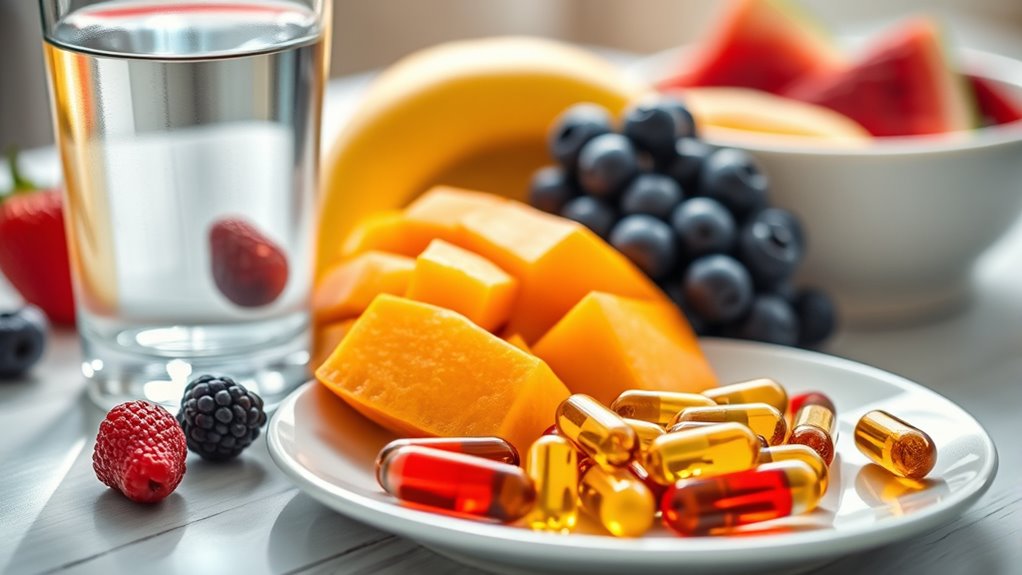
Supplements can play a crucial role in optimizing micronutrient intake, especially when timed strategically around meals and activity. Proper timing enhances bioavailability optimization, ensuring your body absorbs nutrients more efficiently. Combining supplements thoughtfully can also promote supplement synergy, where nutrients support each other’s absorption and effectiveness. For example, taking vitamin D with a healthy fat source boosts its absorption, while pairing iron with vitamin C enhances its bioavailability. It’s essential to contemplate when to take supplements to maximize their benefits—some are best taken with food, others on an empty stomach or during specific times of day. Considering Beginners Guides and proper placement can also improve overall supplement effectiveness. Additionally, understanding regulatory requirements can help ensure that your supplement practices stay compliant and safe. By planning your supplement schedule carefully, you can improve nutrient uptake and overall health outcomes, making your efforts in micronutrient management truly effective.
Factors That Impair or Enhance Absorption Efficiency
The effectiveness of your micronutrient intake heavily depends on factors that either boost or hinder absorption. Micronutrient interactions can cause competition, reducing absorption, while absorption enhancers improve efficiency. For example, vitamin C enhances iron absorption, but calcium can block it. Similarly, zinc competes with copper, affecting their uptake. To maximize absorption, consider these factors: KTM electric dirt bikes can vary significantly in their specifications, which influences how nutrients are absorbed by your body. | Factor | Effect | Example |
| ———————– | —————————— | ——————————- |
|---|---|---|
| Micronutrient interactions | Can hinder or promote absorption | Calcium blocking iron absorption |
| Absorption enhancers | Improve uptake | Vitamin C with iron |
| Inhibitors | Decrease absorption | Phytates and polyphenols |
| Timing and combinations | Critical for efficiency | Taking calcium separately from iron |
Being aware of these factors helps you optimize your micronutrient strategy and avoid ineffective supplementation. Understanding nutrient interactions can further enhance your absorption outcomes.
Practical Tips for Scheduling Your Micronutrient Intake
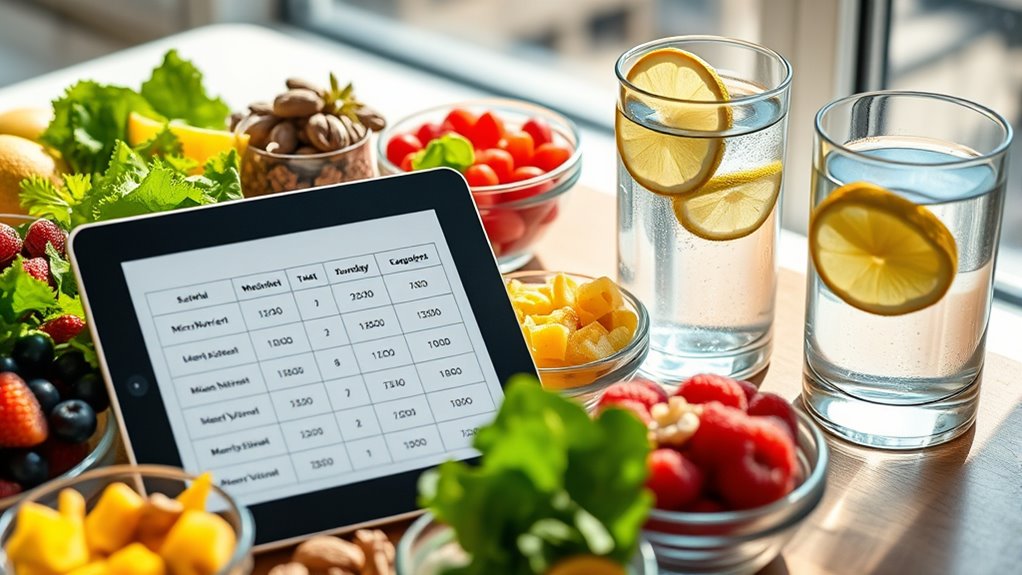
To get the most from your micronutrients, take them with meals to boost absorption. Space out your supplements so they don’t compete for uptake, and be mindful of calcium-rich foods or supplements that can block other nutrients. Following these simple tips helps guarantee your body makes the best use of what you provide.
Take With Meals
Ever wondered why taking micronutrients with meals can enhance their absorption? It’s all about optimizing meal timing and nutrient synergy. When you take supplements with food, your body benefits from improved digestion and better nutrient utilization. Certain nutrients work better together; for example, vitamin C enhances iron absorption, while fats help absorb fat-soluble vitamins like A, D, E, and K. To maximize benefits, consider this table:
| Nutrient Pairing | Meal Timing Tip | Benefit |
|---|---|---|
| Vitamin C + Iron | Take with citrus or green leafy veggies | Boosts iron absorption |
| Fat-soluble Vitamins | Include healthy fats in your meal | Improves vitamin A, D, E, K absorption |
| Calcium + Magnesium | Spread out or take with meals | Supports bone health and muscle function |
Taking micronutrients with meals ensures you harness nutrient synergy for better health.
Space Out Supplements
Scheduling your micronutrient intake throughout the day can considerably improve their effectiveness. Spacing out supplements helps maximize nutrient absorption by reducing competition in your digestive system. For example, taking iron and calcium at different times enhances nutrient synergy, ensuring your body absorbs each mineral efficiently. Avoid taking multiple supplements simultaneously if they compete for absorption pathways. Instead, plan supplement spacing—taking certain vitamins or minerals a few hours apart—so they don’t hinder each other’s uptake. Consistent timing also helps your body establish a routine, making it easier to remember your supplement schedule. By thoughtfully spacing out your micronutrients, you optimize their benefits and support overall health goals. Remember, strategic scheduling isn’t just about timing; it’s about allowing each nutrient to work at its best.
Avoid Calcium Locks
Calcium can sometimes interfere with the absorption of other minerals, creating what’s known as “calcium locks” that hinder nutrient uptake. These mineral interactions occur when calcium binds with minerals like magnesium, zinc, or iron, preventing your body from absorbing them effectively. To avoid calcium locks, don’t take calcium-rich foods or supplements simultaneously with other minerals. Instead, space out your calcium intake by a few hours from iron or magnesium supplements. This way, you minimize competition for absorption. Also, be mindful of high-calcium foods, such as dairy, during mineral supplement timing. By managing when you consume calcium relative to other micronutrients, you optimize absorption and prevent mineral competition—keeping your micronutrient levels balanced and your health on track.
Frequently Asked Questions
Can Certain Medications Affect Micronutrient Absorption Timing?
You might wonder if medications can affect how your body absorbs micronutrients. Yes, certain medication interactions can cause absorption interference, making it harder for your body to take in essential nutrients like iron or calcium. It’s important to be aware of these interactions and time your supplements appropriately or consult your healthcare provider. Proper management guarantees you get the maximum benefit from both your medications and micronutrients.
Does Fasting Impact the Optimal Timing for Micronutrient Intake?
Fasting, especially intermittent fasting, can influence when you should take micronutrients. During fasting periods, your stomach’s empty, which may slow down some nutrient absorption or reduce its efficiency. To maximize nutrient absorption, you might consider taking certain vitamins or minerals during your eating windows. This way, your body can better absorb and utilize the nutrients, ensuring you’re getting the most benefit from your micronutrient intake while fasting.
Are There Age-Related Differences in Micronutrient Timing Strategies?
Did you know age affects how your body absorbs nutrients? Younger adults often have faster developmental absorption patterns, meaning timing can differ compared to older adults. Age-specific requirements influence when you should take certain micronutrients for maximum benefit. As you age, your needs change, so adjusting your intake timing guarantees you meet your nutritional goals, supporting overall health at every life stage.
How Do Circadian Rhythms Influence Nutrient Absorption Efficiency?
You should consider how circadian rhythms influence nutrient absorption efficiency by aligning your eating habits with your body’s natural cycles. Circadian alignment helps optimize hormonal fluctuations that regulate digestion and nutrient uptake. When you eat at consistent times aligned with your internal clock, your body can better absorb micronutrients, enhancing overall health. Prioritizing breakfast and avoiding late-night meals can support this rhythm, maximizing your nutrient utilization.
Can Stress Levels Alter the Best Timing for Micronutrient Consumption?
Did you know that high stress levels can negatively impact your absorption timing? Stress impact your body’s ability to process nutrients efficiently, often leading to poorer absorption of essential micronutrients. When you’re stressed, your digestion slows down, which can delay or reduce absorption. To optimize nutrient intake, consider managing stress through relaxation techniques, ensuring that your absorption timing aligns with your body’s needs, helping you get the most out of your micronutrients.
Conclusion
Just like a master chef timing each ingredient perfectly, paying attention to when you eat your micronutrients can reveal their full potential. By understanding the right meal composition, optimal timing, and combining foods wisely, you’re crafting your own recipe for better absorption. Remember, even the most precious treasures—like your health—are best preserved when their secrets are uncovered. Take control of your nutrient schedule, and watch your well-being flourish, much like a garden in full bloom.