
TL;DR

Get workout gear delivered free with Prime
- Fast, free delivery on millions of items
- Prime Video, Amazon Music and more included
- Member-only deals all year
Search interest in kratom has recently spiked in the US, driven by reports linked to Ole Miss students and overdoses. The development has sparked renewed debate over its safety and regulation. The exact cause of the increased attention remains unconfirmed.
Interest in kratom has surged in the United States, with online searches reaching approximately 10,000 per day, amid reports of overdose incidents involving students at the University of Mississippi (Ole Miss).
This increase comes as public health officials, regulators, and the public grapple with questions about the safety, legality, and regulation of kratom, a plant-based substance often used for its stimulant and pain-relief effects.
According to Google Trends data, searches for kratom have increased significantly over the past few weeks, marking a notable spike in public interest. The rise appears to be linked to reports circulating on social media and news outlets about alleged overdose cases involving Ole Miss students, though authorities have not yet confirmed a direct connection.
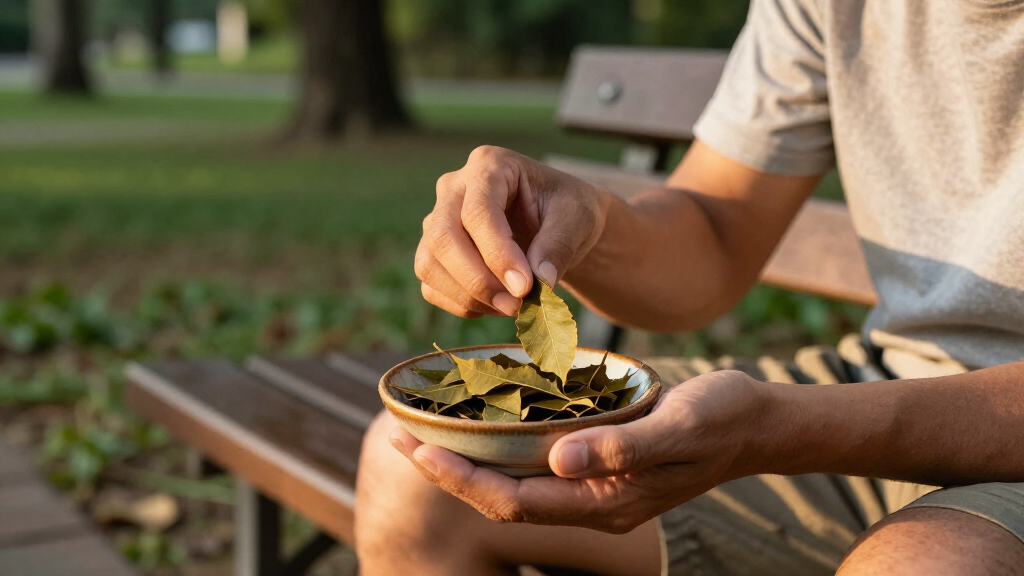
Kratom, derived from the leaves of the Mitragyna speciosa tree native to Southeast Asia, is used by some individuals for pain management, mood enhancement, and opioid withdrawal. However, it remains unregulated at the federal level in the US, and its safety profile is under ongoing review by health agencies.
Recent reports suggest that some students at Ole Miss may have experienced adverse effects after using kratom, with media coverage focusing on overdose concerns. Nevertheless, official statements from university officials and health authorities have emphasized that investigations are ongoing and no definitive link has been established.
Despite the lack of confirmed causality, the reports have reignited debates about kratom’s legal status, potential risks, and whether stricter regulation is necessary to prevent misuse and health emergencies.
Implications of the Kratom Search Surge for Public Health
The recent spike in interest and reports related to kratom highlight ongoing concerns about its safety and regulatory status. For policymakers and health authorities, the development underscores the need for clearer guidelines and public education about the potential risks associated with kratom use.
For the public, especially students and young adults, the situation raises awareness about the importance of understanding what substances they consume and the potential health consequences. The reports, though unconfirmed, have prompted calls for more research and possible regulation to mitigate overdose risks and ensure consumer safety.
From a regulatory perspective, the incident may accelerate discussions at federal and state levels about whether kratom should be classified as a controlled substance or regulated more strictly to prevent misuse and adverse health outcomes.
As an affiliate, we earn on qualifying purchases.
Background on Kratom’s Legal and Health Status
Kratom has been used traditionally in Southeast Asia for centuries, but its popularity in the US has grown over the past decade as an alternative remedy for pain and opioid withdrawal. Despite its widespread use, the substance remains legally available in many states, although some have imposed bans or restrictions.
Health agencies such as the Food and Drug Administration (FDA) have issued warnings about kratom’s potential health risks, including addiction, respiratory depression, and overdose. The FDA has not approved kratom for medical use, and there is ongoing debate about its safety profile.
Recent media coverage has focused on reports of adverse events and deaths linked to kratom, although definitive scientific evidence establishing causality remains limited. The substance’s unregulated status complicates efforts to monitor and control its distribution and use.
The current surge in interest, driven by social media and news reports, may reflect a broader trend of increased experimentation with alternative substances, raising questions about public health preparedness and regulatory gaps.
Unconfirmed Links Between Kratom and Overdose Incidents
It remains unclear whether the reported overdose cases at Ole Miss are directly related to kratom use, as investigations are ongoing and no official confirmation has been provided. The cause-and-effect relationship has not been established, and authorities caution against drawing definitive conclusions at this stage.
Additionally, the extent of kratom’s role in these incidents, if any, is still under review, and further toxicology reports are awaited to clarify the situation.
Next Steps in Monitoring and Regulation Efforts
Health authorities and law enforcement are expected to continue investigations into the overdose reports and assess whether kratom played a role. Meanwhile, policymakers may revisit regulations surrounding kratom’s sale and distribution, with some advocating for tighter controls.
Public health agencies are likely to increase outreach and education efforts to inform consumers about the potential risks of kratom, especially among vulnerable groups such as students.
Research into kratom’s safety and efficacy is also expected to accelerate, aiming to provide clearer scientific guidance for future regulation and public health policies.
Key Questions
Is kratom legal in the US?
Legal status varies by state; some states have banned or restricted kratom, while others allow its sale and use. Federal regulation remains limited, and the substance is not approved by the FDA.
What are the known risks of kratom use?
Potential risks include addiction, respiratory depression, nausea, constipation, and overdose. However, scientific understanding of its full safety profile is still developing.
Are the overdose reports at Ole Miss confirmed to be caused by kratom?
No, investigations are ongoing, and no official confirmation has been made linking kratom to the overdose incidents at Ole Miss.
Could this lead to stricter regulation of kratom?
Yes, the recent attention and reports could prompt lawmakers to consider tighter controls or classification as a controlled substance, depending on ongoing findings and public health assessments.
Should consumers be concerned about using kratom?
Consumers should exercise caution and seek professional advice, as kratom’s safety is not fully established, and unregulated use may carry health risks.
Source: google-trends
Fall Picks
fall essentials
As an affiliate, we earn on qualifying purchases.