
TL;DR

Get workout gear delivered free with Prime
- Fast, free delivery on millions of items
- Prime Video, Amazon Music and more included
- Member-only deals all year
City health officials are examining reports of multiple suspected Legionnaires’ disease cases in the Upper East Side. No confirmed cases have been announced, but investigations are ongoing. The situation remains fluid as authorities gather more information.
New York City health officials are investigating a possible cluster of Legionnaires’ disease cases on the Upper East Side, with no confirmed cases yet reported but multiple suspected cases under review. The investigation underscores concerns about potential public health risks in the neighborhood, which authorities are actively monitoring.
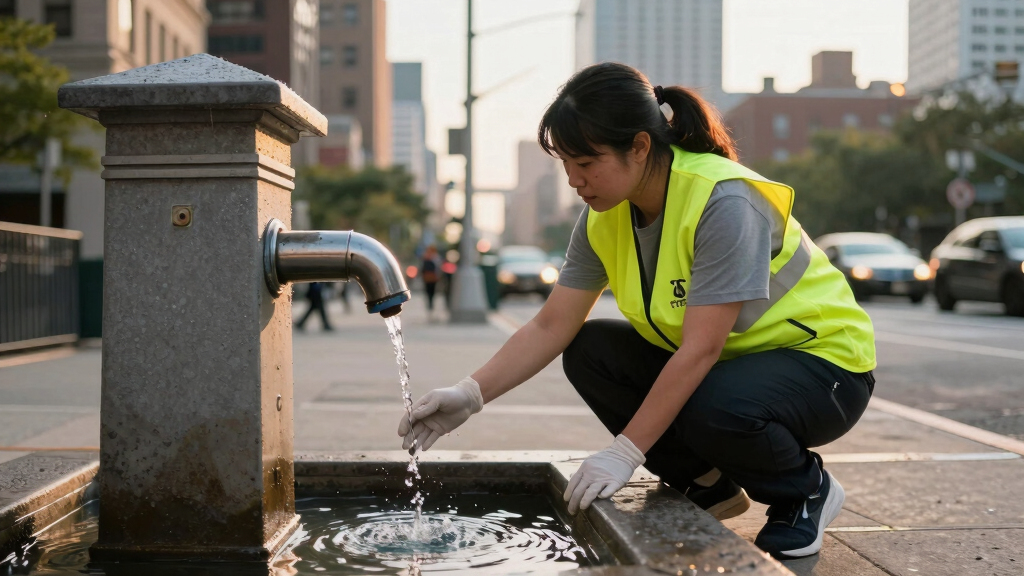
The New York City Department of Health announced on March 20, 2024, that it is examining reports of several residents in the Upper East Side exhibiting symptoms consistent with Legionnaires’ disease. Although no laboratory-confirmed cases have been publicly disclosed, officials confirmed that they are conducting environmental testing of water systems in the area. The investigation was prompted by reports from local hospitals of patients with pneumonia-like symptoms who tested negative for COVID-19 but showed signs consistent with Legionella bacteria infection. The city’s health department has not yet identified a specific source but is prioritizing water systems, cooling towers, and plumbing infrastructure for sampling and testing. No deaths or hospitalizations have been publicly linked to these suspected cases at this stage.Why the Investigation Matters for Public Health in the Neighborhood
This investigation is significant because Legionnaires’ disease can cause severe pneumonia, especially in vulnerable populations such as the elderly or immunocompromised. An outbreak could pose a serious health risk if not contained promptly. The city’s proactive response aims to prevent a wider spread and identify potential sources of Legionella bacteria. While no confirmed cases have been announced, the investigation highlights the importance of water safety and environmental monitoring in densely populated urban areas like the Upper East Side.
water testing kits for Legionella bacteria
As an affiliate, we earn on qualifying purchases.
As an affiliate, we earn on qualifying purchases.
Legionnaires’ disease outbreaks have occurred in New York City before, often linked to cooling towers or contaminated water systems. The city has increased inspections and regulations following past incidents, including a notable outbreak in 2015 that resulted in multiple hospitalizations. The current investigation follows a pattern of heightened vigilance, especially amid ongoing concerns about aging infrastructure and environmental health risks. The city’s health department regularly monitors water systems and responds swiftly to reports of suspicious illnesses, but outbreaks can still occur if sources are not promptly identified and remediated.
“We are actively investigating reports of suspected Legionnaires’ disease cases in the Upper East Side and are conducting environmental testing to identify potential sources.”
— NYC Department of Health spokesperson
Unconfirmed Cases and Unknown Source of Potential Outbreak
It remains unclear how many individuals may be affected, as no laboratory-confirmed cases have been announced. The specific source of potential Legionella bacteria, if an outbreak is confirmed, has not yet been identified. The scope of the investigation and whether it will lead to public health advisories or remediation efforts are still developing.
Next Steps in the City’s Investigation and Public Health Response
The city’s health department will continue environmental testing of water systems in the area and monitor for additional cases. Results from water sampling are expected within the coming days. Authorities may issue public health advisories or take remediation measures if confirmed sources are identified. Residents are advised to remain vigilant for symptoms of Legionnaires’ disease, especially if they experience pneumonia-like illness, and to seek medical attention if needed.
Key Questions
What are the symptoms of Legionnaires’ disease?
Symptoms include cough, shortness of breath, fever, muscle aches, and pneumonia. Severe cases can lead to hospitalization, especially in vulnerable populations.
How is Legionnaires’ disease transmitted?
It is primarily contracted by inhaling aerosolized water droplets containing Legionella bacteria from sources like cooling towers, plumbing systems, or decorative fountains.
Are residents at risk if no confirmed cases are announced?
While no confirmed cases have been reported, residents should remain aware of symptoms and follow public health guidance. The city’s investigation aims to prevent potential spread.
What should I do if I feel sick?
If you experience symptoms consistent with pneumonia, especially after recent water exposure, seek medical care promptly. Inform your healthcare provider about your concerns.
Source: google-trends
Fall Picks
fall essentials
As an affiliate, we earn on qualifying purchases.