
TL;DR

Get workout gear delivered free — and shop member deals
- Fast, free delivery on millions of items
- Access to Prime Big Deal Days deals on October 6–7
- Prime Video, Amazon Music and more included
The New York City health department has confirmed an increase in Legionnaires’ disease cases on the Upper East Side. The outbreak now involves multiple new cases, prompting health officials to investigate potential sources. The situation remains active and under review.
The New York City health department has confirmed that the number of Legionnaires’ disease cases linked to a cluster on the Upper East Side has increased, with several new cases reported in recent days. This development raises concerns about potential sources of the outbreak and the risk to residents and visitors in the area.
According to officials from the New York City Department of Health and Mental Hygiene, the outbreak now involves at least 15 confirmed cases, a significant increase from initial reports of 8 cases earlier this month. The department stated that these cases are connected through geographic proximity and similar exposure timelines. Learn more about Legionnaires’ disease outbreak investigations in NYC.
Health officials have identified that most of the affected individuals are residents or visitors to the Upper East Side, with ages ranging from 45 to 78. None of the cases have resulted in fatalities, but several patients have been hospitalized for treatment. The department has emphasized that the outbreak remains under active investigation, with authorities working to identify specific sources, such as cooling towers or plumbing systems, that may be harboring Legionella bacteria.
Local authorities have begun inspecting buildings and infrastructure in the affected neighborhoods, and the city has issued notices to property owners to conduct testing and necessary remediation measures. For updates, see NYC health officials’ latest alerts. The health department has also issued a warning to residents and visitors to be aware of symptoms, which include cough, shortness of breath, fever, and muscle aches, and to seek medical attention if symptoms develop.
Why the Growing Outbreak Matters to Upper East Side Residents
This expansion of the Legionnaires’ disease cluster highlights ongoing public health risks in densely populated urban areas. Legionnaires’ disease can cause serious pneumonia-like illness, especially in vulnerable populations such as the elderly or those with underlying health conditions. The confirmed increase in cases underscores the importance of prompt investigation and remediation efforts to prevent further spread.
For residents and visitors, the outbreak emphasizes the need for awareness and caution, particularly regarding potential exposure sources like cooling towers and water systems. The situation also reflects broader challenges cities face in managing Legionella bacteria, which thrive in stagnant or poorly maintained water systems.
As an affiliate, we earn on qualifying purchases.
Previous Outbreaks and the City’s Response to Legionnaires’ Disease
Legionnaires’ disease outbreaks have occurred periodically in New York City, often linked to cooling towers or building water systems. The city’s health department has a history of responding with inspections and regulations aimed at reducing Legionella bacteria presence. Earlier outbreaks, such as those in 2015 and 2018, prompted citywide reviews and stricter oversight of water systems.
This current cluster was first identified two weeks ago, with initial reports limited to a small number of cases. The rapid increase in confirmed cases over recent days suggests the outbreak is actively spreading, prompting heightened investigation and public health alerts.
“We are actively investigating the source of this outbreak and are working with property owners to conduct testing and remediation.”
— NYC Department of Health spokesperson
Unconfirmed Sources and Potential Spread Pathways
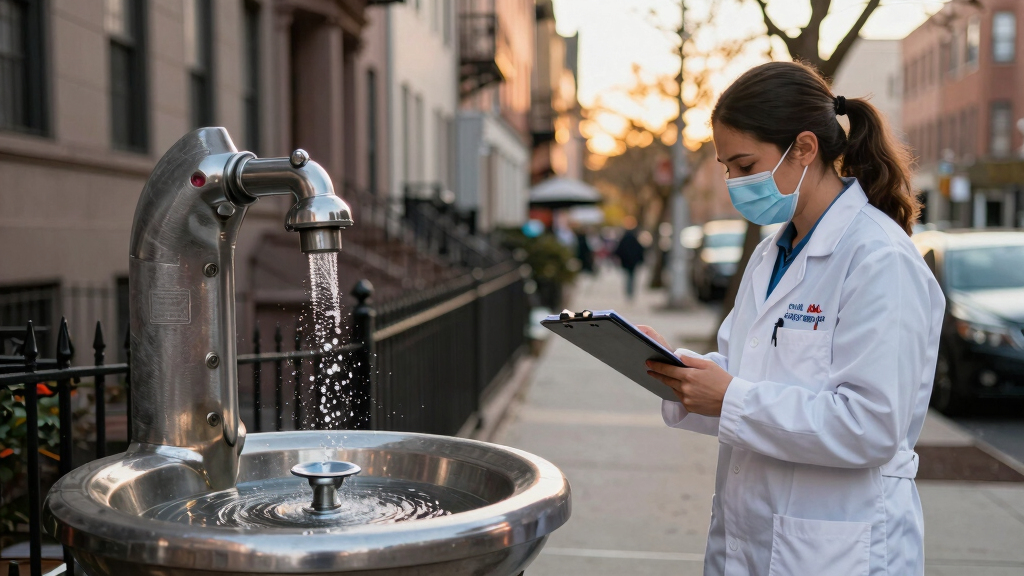
It is not yet clear which specific sites or water systems are responsible for the outbreak. Investigators are still testing various potential sources, including cooling towers, plumbing systems, and fountains. The exact number of cases that may be linked to each source remains under review, and it is uncertain whether the outbreak will continue to grow.
Next Steps in the Outbreak Investigation and Public Health Response
Health officials plan to complete testing of suspected sites within the coming days and will issue additional guidance based on findings. The city is also expected to increase inspections of water systems and enforce remediation measures where Legionella bacteria are detected. Residents and visitors are advised to stay informed through official updates and to seek medical attention if symptoms develop.
Key Questions
What are the symptoms of Legionnaires’ disease?
Symptoms include cough, shortness of breath, fever, muscle aches, and chills. Severe cases can cause pneumonia, requiring hospitalization.
Who is most at risk from the outbreak?
Older adults, smokers, and individuals with weakened immune systems or underlying health conditions are at higher risk of severe illness.
How can I protect myself from Legionnaires’ disease?
While there is no direct way to prevent exposure, residents should avoid inhaling water vapor from suspect sources and seek medical care if symptoms appear. Authorities are working to identify and eliminate sources of bacteria.
Is the outbreak under control?
The investigation is ongoing, and authorities are actively testing and remediating potential sources. The situation remains under review, with updates expected as new information becomes available.
Should I be worried about visiting the Upper East Side?
There is no current recommendation to avoid the area. Residents and visitors should stay informed through official channels and follow health advisories.
Source: google-trends
Fall Picks
fall essentials
As an affiliate, we earn on qualifying purchases.