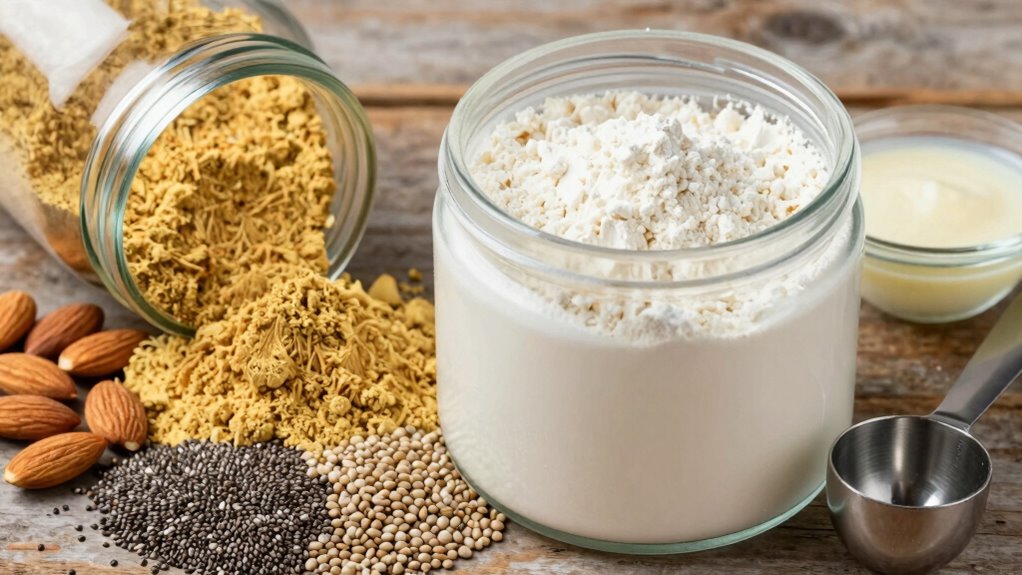

If you’re vegetarian, vegan, or sensitive to dairy, plant protein from peas, rice, or hemp may suit your diet better, especially since it’s gluten-free and sustainably sourced. However, if you want rapid muscle recovery and a complete amino acid profile, whey isolate is a solid choice, especially for athletes. Consider your digestion and dietary restrictions—your ideal match depends on your personal needs, and there’s more to discover for your perfect fit.

Get workout gear delivered free — and shop member deals
- Fast, free delivery on millions of items
- Access to Prime Big Deal Days deals on October 6–7
- Prime Video, Amazon Music and more included
Key Takeaways
- Plant proteins are suitable for vegetarians, vegans, and those avoiding dairy, while whey favors muscle recovery for omnivores and athletes.
- Whey isolate offers a complete amino acid profile and rapid absorption, supporting quick muscle repair post-workout.
- Plant proteins are lower in gluten, making them better for gluten-sensitive individuals, whereas whey is gluten-free but dairy may cause sensitivities.
- Combining plant sources can match whey’s amino acid completeness, providing a balanced option for diverse diets.
- Digestive preferences and sensitivities influence whether fast-absorbing whey or slow-digesting plant proteins are more suitable.
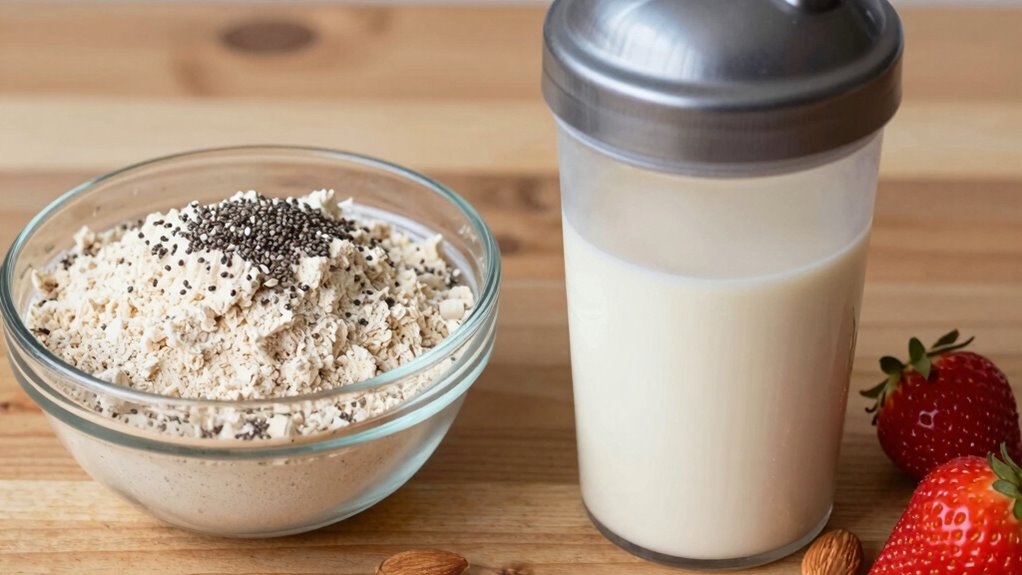
Are plant protein and whey isolate truly different in how they fuel your body? The answer depends on your dietary needs and preferences. When you compare these two protein sources, it’s essential to consider factors like gluten content and amino acid profile. Plant proteins, derived from sources like peas, rice, or hemp, often have a lower gluten content, which makes them suitable for those with gluten sensitivities or celiac disease. On the other hand, whey isolate, extracted from dairy, contains no gluten but can sometimes cause issues for individuals who are lactose intolerant or allergic to dairy proteins. So, if gluten or dairy sensitivities are a concern, plant protein might be the better choice for you.
The amino acid profile plays a vital role in how effectively a protein supports muscle growth and recovery. Whey isolate boasts a complete amino acid profile, meaning it contains all nine essential amino acids your body can’t produce on its own. This makes it especially effective for muscle repair, making it a popular choice among athletes and fitness enthusiasts. Plant proteins, however, often have a less complete amino acid profile, with some lacking certain essential amino acids like methionine or lysine. That said, by combining different plant sources—such as rice and pea protein—you can create a complete amino acid profile that rivals that of whey. This approach allows you to enjoy the benefits of plant-based proteins without sacrificing amino acid quality. Additionally, the amino acid profile of a protein influences its overall effectiveness in supporting your fitness goals.
Another factor to weigh is digestion. Whey isolate is quickly absorbed, providing rapid amino acid delivery to your muscles, which is especially beneficial post-workout. Plant proteins tend to digest more slowly, offering a steadier release of amino acids over time. If you prefer a slow-release protein or have digestive sensitivities, plant-based options may suit you better. Furthermore, digestibility can vary based on the protein source and individual health conditions, influencing how well your body utilizes the nutrients. Additionally, some people choose plant protein because it aligns with vegetarian or vegan diets, offering a sustainable and ethical alternative to dairy-based whey.
plant-based protein powder for vegans
As an affiliate, we earn on qualifying purchases.
As an affiliate, we earn on qualifying purchases.
Frequently Asked Questions
Which Protein Source Is More Environmentally Sustainable?
Plant protein is more environmentally sustainable than whey isolate. Its environmental impact is lower because it requires less water, land, and energy to produce. Sustainability factors like reduced greenhouse gas emissions and less deforestation make plant-based sources a better choice for eco-conscious individuals. By choosing plant protein, you support a diet that minimizes harm to the planet, aligning with sustainable practices and helping reduce your carbon footprint.
Can Plant Protein Support Muscle Growth Like Whey?
Think of plant protein as a steady gardener and whey as a swift sprinter. Both can support muscle building, but whey often offers faster protein absorption, fueling quick recovery. Plant protein may take longer, but it still nourishes muscles over time, promoting growth with consistent intake. If you’re patient and committed, plant protein can effectively support muscle growth, though it might require a bit more planning.
Are There Any Allergen Concerns With Plant Proteins?
You should be aware that plant proteins can pose allergen concerns, especially if you have soy allergies, as soy-based proteins are common. Cross-contamination concerns also exist, since plant protein powders might be processed alongside allergens, increasing the risk of exposure. Always check labels carefully and opt for products that specify allergen-free processing to avoid adverse reactions. If unsure, consult your healthcare provider before adding plant-based proteins to your diet.
How Do Taste and Texture Compare Between the Two?
You might find that flavor profiles differ, with plant proteins often having earthy or grainy tastes, while whey isolate tends to be creamier and more neutral. Texture differences are noticeable too; plant proteins can be grittier or thicker, whereas whey isolates usually blend smoothly and easily. If you prefer a milder flavor and smoother texture, whey isolate might suit you better. However, trying different brands can help find one that matches your taste and texture preferences.
Which Protein Type Is Better for Weight Loss?
In the age of dial-up internet, you realize that whey isolate is better for weight loss since it offers quick digestion and helps control appetite. With more flavor variety, it keeps your taste buds satisfied. Plant protein, on the other hand, digests slower, providing sustained fullness. Choose whey if you want fast results, but consider plant protein if you prefer gentle digestion and a broader flavor selection in your diet.
Conclusion
Ultimately, choosing between plant protein and whey isolate depends on your dietary desires and differences. Decide if your diet demands dedication to digestibility or diversity. Whether you prefer plant power or whey’s wondrous wellness, prioritize your personal preferences and principles. Remember, your choice creates your course—align it with your goals, values, and vigor. So, select smartly, stay steadfast, and savor your sustained success—because your diet’s direction defines your determined, dynamic, and distinctive destiny.
Fall Picks
fall essentials
As an affiliate, we earn on qualifying purchases.