
To tell if water loss is from evaporation or a leak, look for signs like sudden bill increases, damp spots, or pooling water—these often point to leaks. Evaporation usually happens slowly and is affected by sunlight, heat, or humidity. If water levels drop without apparent cause, consider if natural processes are responsible or if a hidden leak is present. Keep exploring to learn effective ways to identify and address water loss effectively.
Key Takeaways
- Evaporation is a natural water loss influenced by temperature, humidity, and sunlight, whereas leaks cause continuous, often substantial water escape.
- Use water meters and flow sensors to monitor unusual increases in water usage that may indicate leaks.
- Water levels in pools or outdoor water features can drop due to evaporation; persistent drops suggest leaks.
- Signs like damp patches, mold, or pooling water in hidden areas point to leaks rather than evaporation.
- Comparing water bills over time helps distinguish between normal evaporation and hidden leaks.
As an affiliate, we earn on qualifying purchases.
Recognizing Signs of Water Loss in Your Property
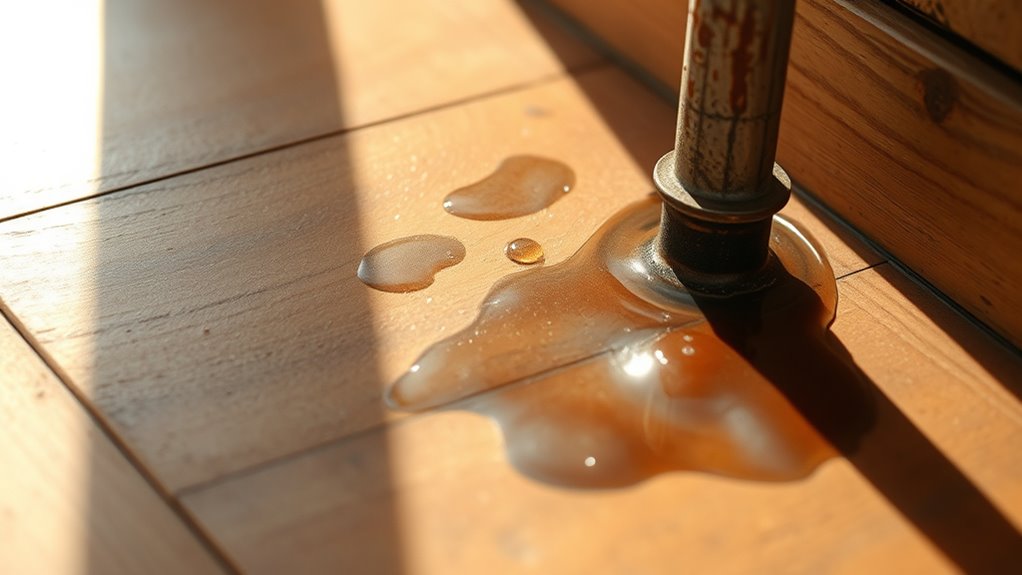
Water loss can sometimes be hard to spot until it causes noticeable damage, so it’s important to recognize the signs early. Keep an eye out for unexplained increases in your water bills; if they spike without reason, you might have a leak or evaporation issue. Look for damp spots, mold, or a musty smell, especially on walls, floors, or ceilings. Check your fixtures and pipes regularly for leaks or corrosion. Listen for running water when no taps are on, and watch for slowly forming puddles or water stains. Keep track of your water usage and inspect hidden areas like basements or crawl spaces. Early detection can save you money and prevent major damage down the line. Regular inspections are your best defense against unnoticed water loss. Understanding the differences between evaporation and leaks can help you address issues more effectively based on water quality and flow rate.
Understanding Natural Evaporation and Its Impact
While leaks and other hidden issues can cause unnoticed water loss, natural evaporation also plays a significant role in how moisture disappears from your property. When water on surfaces or in open containers is exposed to air, it naturally turns into vapor and rises into the atmosphere. Factors like temperature, humidity, and sunlight influence evaporation rates; hot, dry, and sunny conditions accelerate the process. You might notice puddles drying faster on hot days or see water levels drop in outdoor pools without any visible leaks. Understanding this natural process helps you recognize that some water loss is normal and expected. Additionally, water temperature can impact evaporation speed, with warmer water evaporating more quickly. However, persistent or unusual evaporation patterns could indicate underlying problems that require further inspection. Recognizing the difference helps you better manage water use and identify potential issues early.
Detecting Hidden Leaks and Their Indicators
Detecting hidden leaks can be challenging because they often don’t show obvious signs. You might notice a higher water bill without any visible leaks or damage. Look for subtle indicators like damp spots on walls or ceilings, mold growth, or a musty odor. Listen for the sound of running water when fixtures are off, which can hint at a leak inside the walls or underground. Check your water meter; turn off all taps and appliances, then observe the meter—any movement suggests a hidden leak. Keep an eye on outdoor areas for pooling water, soggy patches, or unusually lush grass. Regularly monitoring your water usage and understanding plumbing issues can help prevent costly repairs. Early detection saves water and reduces repair costs, so stay vigilant for these hidden signs.
Tools and Techniques for Monitoring Water Usage

Using the right tools and techniques can make monitoring your water usage more effective and straightforward. Start by installing a smart water meter or using a home water monitor. These devices give real-time data, helping you identify unusual consumption patterns quickly. You can also track your water bills over time to spot increases that might indicate leaks or evaporation. Additionally, using a flow rate sensor helps measure water flow at fixtures, pinpointing high-usage areas. Here’s a quick comparison:
| Tool | Purpose | Advantage |
|---|---|---|
| Smart Water Meter | Monitors overall consumption | Real-time alerts |
| Flow Rate Sensor | Measures flow at fixtures | Identifies specific leak points |
| Water Usage Log | Tracks daily/weekly use | Detects patterns, anomalies |
| Leak Detection Device | Finds hidden leaks | Early warning system |
| Bill Analysis | Monitors billing trends | Signs of unusual usage |
Understanding the differences between evaporation and leaks can help you interpret these readings more accurately, especially when combined with proper diagnostic techniques.
Practical Tips to Differentiate Between Evaporation and Leaks
Understanding whether water loss is caused by evaporation or a leak is key to managing your water bill effectively. Start by checking your water meter at different times of the day when no water is being used. If the meter changes, you likely have a leak. Look for visible signs like damp patches, mold, or water pooling around pipes and fixtures. Track your water usage over several days; consistent high usage points to a leak, while gradual loss might indicate evaporation, especially on hot, dry days. Compare your water bill with previous months; unexplained increases can signal leaks. Also, observe if the water loss occurs evenly across all fixtures or only in specific areas. These practical steps help you identify whether you’re losing water through evaporation or leaks. For reliable diagnostics, consider the Vetted – Flat Iron Bike tools and kits, which exemplify quality and accuracy in maintenance and troubleshooting.
When to Call a Professional for Water Leak Detection
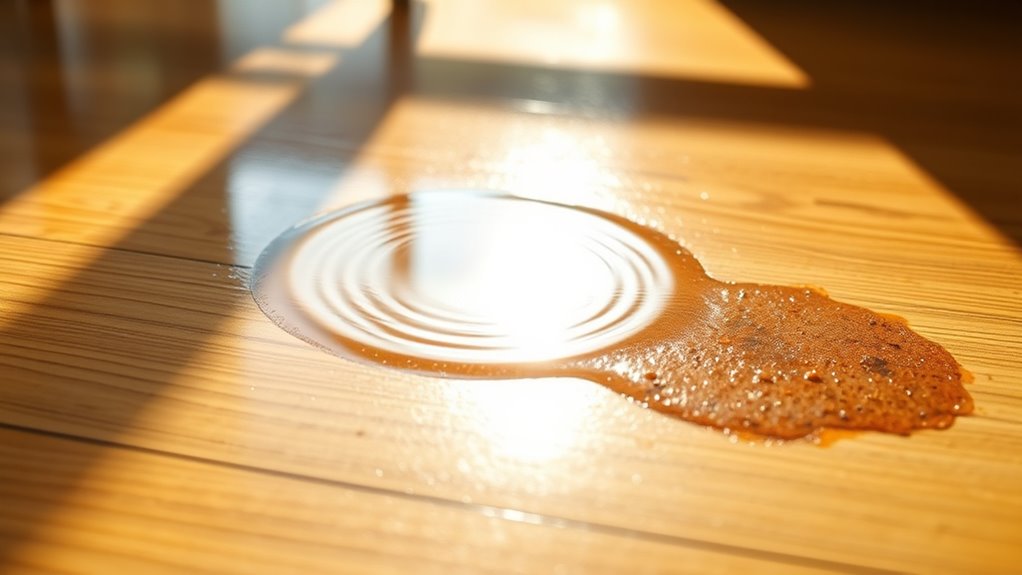
If you notice water dripping constantly or see your water bills skyrocket without explanation, it’s time to call in a pro. Persistent leaks can waste a lot of water and cause damage if left untreated. Don’t wait—professional detection can save you money and prevent bigger problems down the line. Additionally, early detection can help identify issues like water loss caused by leaks before they become severe.
Persistent Water Drips
Persistent water drips, no matter how small they seem, can quickly indicate a hidden leak that requires professional attention. Small leaks can escalate, causing structural damage and mold growth if left untreated. Recognizing the signs early can save you money and prevent further damage. If you notice continuous dripping from pipes, fixtures, or appliances, it’s time to call in a professional. They have the tools and expertise to accurately detect leaks behind walls or under floors. Ignoring persistent drips can lead to increased water bills, property damage, and health hazards. Addressing these issues promptly guarantees your home remains safe and efficient. Additionally, understanding GMC tuning techniques can help optimize your vehicle’s performance and prevent mechanical issues that might mimic leak symptoms.
Unexplained Water Bills
When your water bills suddenly spike without any obvious reason, it’s a strong sign that you might have a hidden leak. You could be losing water without realizing it, especially if the leak is inside your walls or underground. Ignoring unexplained increases can lead to higher costs and potential damage to your property. First, check for visible signs like soggy patches or mold. If nothing is obvious, it’s time to call a professional water leak detection expert. They use specialized tools, such as electronic leak detectors and thermal imaging, to find leaks that are hidden from sight. Acting quickly can save you money and prevent further damage. Additionally, understanding the causes of water loss can help you take preventive measures. Don’t wait until your bill becomes unbearable—professional leak detection is your best move.
Frequently Asked Questions
Can Water Loss Affect My Property’s Structural Integrity?
Yes, water loss can affect your property’s structural integrity. When water leaks or evaporates unnoticed, it can weaken foundations, cause wood rot, or lead to mold growth. Over time, these issues compromise the stability of walls, floors, and support beams. You should regularly inspect your property for signs of water damage and address leaks promptly to prevent long-term structural problems. Staying vigilant keeps your home safe and sound.
How Often Should I Check for Hidden Leaks?
You should check for hidden leaks monthly to catch issues early. Regular inspections, especially around toilets, under sinks, and near appliances, help prevent costly repairs. Keep an eye on your water meter—if it moves when no one’s using water, you likely have a leak. Addressing these sneaky problems promptly guarantees your home stays dry and sound, avoiding unnecessary damage and expenses down the road.
Are There Seasonal Variations in Evaporation Rates?
Yes, evaporation rates vary with the seasons. During hot, dry summers, you’ll notice more water loss due to increased evaporation, especially from open containers or exposed surfaces. In cooler, humid months, evaporation slows considerably. If you see fluctuating water levels, consider seasonal changes as a factor. Keep an eye on outdoor water features or pools, and adjust your maintenance routines accordingly to account for these natural variations.
What Are the Costs Associated With Professional Leak Detection?
Hiring a professional leak detection service costs between $150 and $500, depending on the complexity and location of the leak. You might pay more for specialized equipment or if your property is hard to access. These experts use advanced tools like thermal imaging and acoustic sensors, saving you money in the long run by accurately locating leaks early, preventing further damage, and reducing water bills.
How Can I Prevent Water Loss From Evaporation?
Did you know that up to 10% of household water can be lost to evaporation? To prevent this, you should insulate outdoor pipes and tanks, especially in colder months. Cover open water features like ponds or pools with lids or covers. Limit exposure of water surfaces to direct sunlight by planting shade trees or installing shade structures. These simple steps help reduce evaporation and conserve your water effectively.
Conclusion
By mastering the art of spotting water loss, you could save your entire property from turning into a swamp or a desert overnight. With sharp eyes and the right tools, you’ll outsmart even the sneakiest leaks hiding behind walls or under floors. Don’t let tiny drips turn into a flood of chaos—act fast, stay vigilant, and call a professional when needed. Your home’s safety depends on your quick, confident detective work!