
TL;DR

Get workout gear delivered free — and shop member deals
- Fast, free delivery on millions of items
- Access to Prime Big Deal Days deals on October 6–7
- Prime Video, Amazon Music and more included
A first-person account describes how three months of personalized strength training helped a postpartum writer reconnect with her body after pregnancy and birth complications. The writer says a trainer’s adaptable approach helped her work within her limits and rebuild trust; this is personal experience, not clinical evidence about postpartum exercise.
A postpartum writer says three months of twice-weekly personal training helped her rebuild confidence in her body after pregnancy complications, difficult births and lingering physical challenges. Her account centers on a trainer’s individualized guidance, which she said made it easier to exercise without guessing at her limits.
The writer describes spending about five years pregnant, postpartum or breastfeeding and feeling that her previous approach to exercise no longer fit. During both pregnancies, she experienced hyperemesis gravidarum, a severe form of pregnancy-related nausea and vomiting that she said restricted her activity. She also recounts a 26-hour labor with her daughter and a rapid, unmedicated birth with her son.
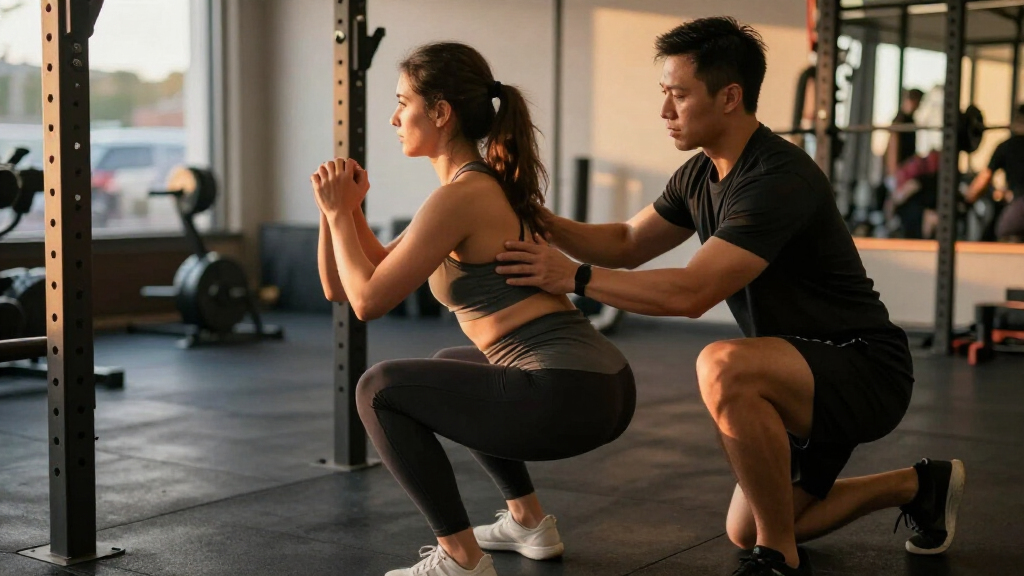
After giving birth, she experienced pelvic pain linked to muscle fatigue and abdominal separation that made rebuilding core strength difficult. She says consistent strength training had helped ease the pelvic pain, but she was uncertain how far she could push herself safely. She hired a trainer and attended sessions every Tuesday and Thursday at 7:30 a.m. for the summer, beginning with core work and close attention to abdominal coning.
The writer says the exercises initially left her exhausted, but working one-to-one allowed her to focus on showing up while the trainer guided progression. She describes the trainer as taking her lifestyle, goals, fears and capacity into account, and adapting both the physical sessions and her coaching to the writer’s needs. The account does not provide objective measurements of strength or other health outcomes.
Why Individual Coaching Helped
The account illustrates how personalized guidance can matter to people returning to exercise after major life and body changes. For this writer, uncertainty about injury and what her body could handle had become a barrier; having a trainer plan and adjust exercises helped her participate without taking on that decision alone.
Her experience also highlights the role of trust in a client-trainer relationship. She says encouragement that was responsive rather than forceful helped her feel safe enough to challenge herself. That is a personal account, however, and does not establish that a trainer or a particular approach will produce the same result for others.
Pregnancy Changed Her Training Needs
The writer presents her return to exercise as a response to changes accumulated across pregnancy, childbirth and postpartum life. She says she had little time to process those experiences before trying to resume a regular routine, and that her former exercise habits no longer matched her physical or mental circumstances.
During the trainer’s intake, the writer says they discussed her lifestyle, limitations, goals and fears. The trainer also tracked her menstrual cycle to coordinate workouts with its phases, according to the account. The source does not provide medical records, independent confirmation or detail about how that practice affected the training plan.
““My body and my mind had changed — what worked for me in the past needed to be overhauled and redesigned for who I am today.””
— The writer
What the Account Cannot Establish
The source is a first-person account, not a clinical study or a report of independently measured outcomes. It does not state the writer’s medical clearance status, the precise exercises used, or whether a clinician assessed her pelvic pain or abdominal separation. The account also ends mid-sentence after introducing recovery, so it provides no complete description of the writer’s recovery practices or the final results of the training period.
It remains unclear how broadly this trainer’s methods would apply to other postpartum clients. The writer’s experience cannot determine what exercise plan is appropriate for someone with different symptoms, birth history or health needs.
Recovery Beyond the Sessions
The source offers no announced follow-up, measured outcome or next milestone after the three-month training period. It says the writer intended to build habits that could continue beyond her sessions, but does not report what routine she adopted afterward.
For readers considering exercise after pregnancy, the account points to asking a prospective trainer about their credentials, how they adapt sessions to a client’s needs, and how they handle pain or concerns. People with postpartum symptoms or health conditions should seek guidance from a qualified health professional before starting or changing an exercise routine.
Key Questions
What did the writer say personal training helped her do?
She said individualized coaching helped her return to strength training, work on core strength and feel more confident about her body’s capacity.
How often did she train?
She reports attending sessions twice a week, on Tuesday and Thursday mornings, over one summer. The account describes a three-month plan.
What physical challenges did she describe after pregnancy?
She recounts pelvic pain associated with muscle fatigue and abdominal separation that made rebuilding core strength difficult. These are her reported experiences, not an independent medical assessment.
Does this account show that the same training approach works for everyone?
No. It documents one person’s experience and does not establish that the trainer’s approach or outcomes apply to other people. Exercise plans should reflect individual health needs and professional guidance.
Source: rss
Fall Picks
fall essentials
As an affiliate, we earn on qualifying purchases.