TL;DR
Adjustable dumbbell sets combine multiple weight options into one pair, saving space while covering many home strength exercises. Before you buy, compare weight per dumbbell, increment size, adjustment speed, grip, storage, and warranty—and check that the locking system is engaged before lifting.
Compare the maximum weight per dumbbell, since pair totals can make a set look heavier than it is.
Smaller increments can make gradual load increases easier, while quick selectors help when you change weights often.
Check handle length, grip texture, balance, and head width against the exercises you do.
Measure the storage space and confirm whether the stand and expansion plates are included.
Check that plates or selectors are fully engaged before lifting, and don’t drop a set unless its maker permits it.

Get workout gear delivered free with Prime
- Fast, free delivery on millions of items
- Prime Video, Amazon Music and more included
- Member-only deals all year
What an adjustable dumbbell set replaces—and what it doesn’t
An adjustable dumbbell set gives you several loads in a compact system, usually by changing plates or selecting a weight from a tray. That can replace multiple pairs of fixed dumbbells for many home workouts, while taking less floor space. It won’t always feel exactly like a traditional dumbbell, and it may not suit every exercise.
Think of it as a small toolbox: one handle and a set of weight choices instead of a shelf full of separate tools. A beginner doing presses, rows, curls, and lunges may cover most sessions with one pair. A busy household where two people switch weights every minute might find a fixed rack faster and easier to share. The space savings come with a change in workflow: you must return each weight to its tray or handle and set the next load before continuing. If you train alone and move through planned sets, that pause is usually manageable; if several people need different loads in quick succession, it can interrupt the session.
The design matters because adjustable dumbbells can have longer handles or wider ends than fixed weights. Those features may feel fine for a floor press but awkward when you bring the bells close together for a chest fly. A longer handle can also change how the weight sits in your hand, and broad ends may limit your range of motion when two dumbbells meet. Try the grip and movement if you can, or check the handle length and head dimensions before ordering.
Use them for movements the manufacturer allows, and don’t drop them unless the product is designed for impact. Selector parts and plate locks can be damaged by rough handling. A controlled set of rows on a rubber mat is a better match for most models than tossing the weight to the floor after a hard set. That care requirement is part of the tradeoff: compact mechanisms save storage, but they need to stay properly seated and maintained to work as intended.
Products Worth Considering

Philips Sonicare ProtectiveClean 5300 Rechargeable Electric Toothbrush with 3 Brush Heads, Black
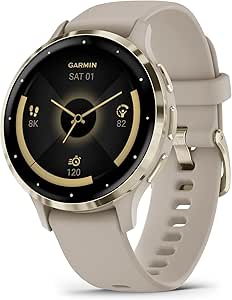
Garmin Venu 3S GPS Fitness Smartwatch, 41 mm, French Gray

BowFlex Results Series 552 SelectTech Adjustable Dumbbell
As an affiliate, we earn on qualifying purchases.
Match the weight range to the workouts you want to do
Choose a set that covers your current exercises and leaves room to increase the load, and compare the maximum per dumbbell rather than the total advertised for the pair. Some sets start around 5 pounds and reach 50 pounds or more in each hand; heavier systems and expansion kits also exist. Exact ranges vary by product.
A listing that says “100 pounds” could mean 50 pounds per dumbbell, not 100 in each hand. That difference matters if you’re planning heavy rows or presses. For instance, if you currently row 35 pounds per hand, a 50-pound ceiling offers room to progress; if you already use 55 pounds, that set may cap your training sooner than expected. The relevant ceiling is the load available for the specific movement you want to progress: legs and back exercises may outgrow a set before smaller-muscle exercises do.
Increment size matters too. Smaller jumps can make gradual increases easier, especially for movements where a few pounds feel like a big change. A set that moves from 10 to 15 pounds may work well for some exercises but feel like a leap for careful curl progression. Larger jumps can still be useful when your strength is increasing quickly or the exercise involves a bigger muscle group, but they can leave you with no comfortable next step for a while. Check whether the listed increments are available across the whole range; some systems offer fine steps at lighter loads and larger jumps as weight increases.
Use this quick check before you buy:
- Write down the lightest and heaviest loads you use now for each hand.
- Check the set’s per-dumbbell range and each available increment.
- Decide whether you want room to progress or plan to add plates later.
- Confirm that expansion plates are available and included in the budget if needed.
For example, a new lifter might value small early increments, while an experienced lifter may put more weight on a high maximum. Your training plan should set the range, not a headline number on a box. A set with an impressive maximum can still be a poor match if its minimum load is too heavy for lighter movements or its increments skip past the loads you need.
Pick an adjustment style that fits your workout pace
The adjustment mechanism determines how quickly you can move between loads and how much setup each change requires. Dial and selector-pin systems are usually faster to change, while removable-plate designs often cost less and use a more straightforward arrangement. No style wins for everyone; your workout rhythm decides.
If your session pairs light raises with heavier presses, a quick selector can keep you moving. If you do all your sets at one load before changing exercises, spending extra seconds on plates may barely matter. Imagine a 20-minute lunch workout: switching rapidly between exercises could make adjustment speed valuable, while a relaxed Saturday session gives you more time. The practical value of speed depends on how many changes you make, not just how fast the mechanism is in a product demo. Even a few extra steps can add up in a circuit, while hardly affecting a session built around one exercise at a time.
| Design | What it’s like | Good fit for |
|---|---|---|
| Dial or selector | Changes weight with a dial, pin, or similar control | Frequent changes between exercises |
| Twist handle | Load changes as you turn the grip | People who prefer an integrated selector |
| Removable plates | Plates are added or removed by hand | Budget-minded users with fewer changes |
Before choosing, check how the plates lock, how the mechanism is maintained, and whether the manufacturer sells replacement parts. Fast adjustment has little value if you find the grip uncomfortable or the selector confusing. Also consider what happens when the mechanism wears: replaceable parts can help keep a set in use, while a proprietary system may be harder to repair. Follow the supplied instructions, keep the system clean and dry, and don’t force a control that resists.
Check grip, balance, and exercise fit before you commit
A set can offer the right numbers and still feel wrong in your hands, so check handle diameter, knurling, length, and balance. Knurling is the textured grip on a handle; too little can feel slippery, while a rough texture may feel uncomfortable during longer sets. Wider or longer ends can change how you hold the weight. These details affect control as well as comfort: if the handle is hard to grip or the load feels awkwardly distributed, you may spend attention managing the dumbbell instead of the movement.
Picture a goblet squat: you hold one dumbbell close to your chest, so broad ends may bump your wrists or shoulders. The same set may feel perfectly natural for a one-arm row, where the dumbbell hangs by your side. The right fit depends partly on the exercise, not just the hand grip. Handle length can matter when you bring two dumbbells together for a press, while the shape of the ends may affect how securely one rests against your thigh before a seated movement.
Adjustable weights work well for many presses, rows, curls, and lunges. Some shapes can make close-grip movements, certain fly variations, or exercises that rest the dumbbell on your thigh less comfortable. If you can test a model in person, try the movements you actually do; if not, look for dimensions and clear product photos. A model that handles your most frequent exercises comfortably is usually a better everyday choice than one that merely claims compatibility with the widest range of movements.
Tradeoff: a compact system saves storage space but may feel less like a standard dumbbell at lighter settings, when the handle or plate arrangement can seem unusually long. That can matter more in exercises requiring precise positioning than in simple rows or curls. A quick test can reveal that before a large box arrives at your door. If you have a pre-existing condition that affects exercise, ask a qualified professional for guidance on your routine and equipment use.
Save space without making storage a daily hassle
Adjustable dumbbells can replace a row of fixed pairs, but the set still needs a stable place to live. Check the tray or stand footprint, how easily you can lift the dumbbells out, and whether the storage spot leaves room for a bench or mat. A compact pair tucked under a desk won’t help if you have to move three boxes before every workout. Storage affects more than floor area: an awkward pickup can make the equipment less convenient to use and harder to return neatly between sets.
For example, imagine a spare bedroom that doubles as an office. A set on a low stand beside a bench may fit neatly along one wall; a wide stand could block a closet door. Measure the floor space and compare it with the product’s dimensions before buying, including the room needed to pick up and return each dumbbell. Consider the path you take to reach the set too; if you have to shift furniture each time, the nominally small footprint may not save effort in everyday use.
Some bundles include a stand, while others sell it separately. Check the package contents and delivery costs so the final price reflects what you’ll actually need. A stand can keep plates organized and make pickups more comfortable, though its shape and height vary between products. A low tray may fit beneath a bench but require you to bend farther, while a raised stand can make loading easier and take up more visible space. Decide which arrangement suits your room and how you move the weights.
Store the weights in their tray when the manufacturer calls for it, and keep the adjustment mechanism clean and dry. Avoid leaving plates scattered where someone can trip over them. A tidy setup is like an open invitation to train: when the pair is ready beside the mat, a quick set after work feels much easier to start. The best storage spot balances access with stability, so returning the bells after each set stays simple rather than becoming another chore.
Use a simple checklist to compare value and safety
Price only tells part of the story: compare what each set includes, how it adjusts, and how well its range matches your routine. A cheaper model may have fewer weight options or take longer to change, while a higher-priced bundle may include a stand or expansion plates. Look at the warranty and replacement-part availability too, since adjustable systems contain parts that move or lock. Those details shape the useful life of the purchase: a low upfront price may be less appealing if a broken selector cannot be replaced, while paying for a stand you won’t use adds little value.
Before you choose, work through this checklist:
- Range: confirm the lightest and heaviest setting per dumbbell.
- Increments: check the size of each jump between loads.
- Adjustment: estimate how often you’ll change weights in a typical session.
- Fit: compare handle feel, dimensions, balance, and exercise compatibility.
- Storage: verify stand inclusion and measure the space it needs.
- Support: read the warranty and confirm how to get replacement parts.
Then build a safety check into every session. Set the dumbbells in their trays, select the intended load, and confirm that plates or selectors are fully engaged before lifting. If something looks misaligned or the mechanism feels stuck, stop and follow the maker’s instructions rather than forcing it. The check matters because these systems rely on components holding the selected plates in place; a quick visual and physical confirmation helps catch an incomplete adjustment before the weight is in motion.
For example, after changing from a 15-pound curl to a heavier press, take a moment to inspect both bells. That small pause can help you catch a plate that didn’t seat properly. Use and care guidance from the manufacturer takes priority, especially for cleaning and impact limits. Making this check part of the weight change keeps it brief and repeatable, rather than something you have to remember only when a set feels unusual.