To handle breakouts without making them worse, be gentle with your skin—avoid squeezing or picking at pimples, and always wash your hands first. Use spot treatments with ingredients like salicylic acid or benzoyl peroxide, but don’t overuse them. Stick to non-comedogenic products and keep your routine consistent. Protect your skin from UV damage with daily sunscreen, and manage stress and diet. For more tips on keeping breakouts under control, continue exploring the best strategies.

Get workout gear delivered free with Prime
- Fast, free delivery on millions of items
- Prime Video, Amazon Music and more included
- Member-only deals all year
Key Takeaways
- Avoid squeezing or picking at pimples to prevent further inflammation and scarring.
- Use gentle, non-comedogenic spot treatments with anti-inflammatory ingredients.
- Keep hands and hair away from the face to minimize dirt transfer and irritation.
- Follow a consistent skincare routine with mild cleansers and moisturizers to support healing.
- Seek professional help if breakouts persist or worsen despite proper care.
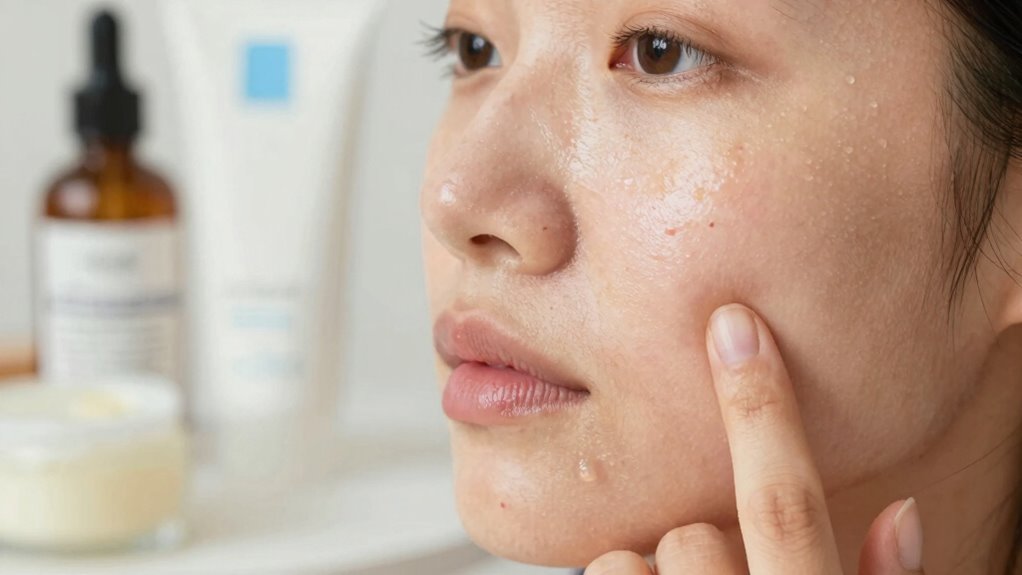
Dealing with breakouts can be frustrating, especially when you worry about making them worse. It’s easy to fall into the trap of picking at pimples or trying every new product, but those actions often lead to more irritation and even scarring. Instead, focus on pimple prevention by establishing effective skincare routines that keep your skin clean without stripping away its natural oils. Consistency is key—use gentle cleansers twice a day to remove dirt, oil, and makeup that can clog pores. Avoid harsh scrubbing, which can inflame your skin and worsen breakouts. Incorporate products with ingredients like salicylic acid or benzoyl peroxide, but start with lower concentrations to prevent irritation. Regularly using non-comedogenic moisturizers helps balance your skin’s moisture levels, preventing excess oil production that can lead to more pimples.
Consistent, gentle skincare with proper cleansing and moisturizers helps prevent breakouts and keeps skin balanced.
When handling a breakout, resist the urge to squeeze or pick at pimples. Doing so can push bacteria deeper into your skin, cause inflammation, and increase the risk of scarring. Instead, apply spot treatments directly on active lesions, focusing on ingredients proven to reduce inflammation and kill bacteria. Always wash your hands before touching your face, and avoid touching your skin unnecessarily, as this introduces dirt and oils that can worsen breakouts. Using proper skincare techniques can help minimize irritation and promote healing. Give your skin time to heal, and remember that pushing products or trying untested remedies might do more harm than good. Additionally, choosing non-comedogenic products can help prevent further pore clogging and breakouts. Being aware of how piercings and jewelry materials can affect your skin health is also important, especially if you have piercings that are prone to irritation or infection. Using gentle skincare practices can further reduce irritation and support your skin’s recovery process.
Your skincare routine should also include sun protection. UV rays can aggravate inflammation and cause hyperpigmentation, making breakouts more noticeable and prolonging healing. Use a broad-spectrum sunscreen every day, even when it’s cloudy. Additionally, stay mindful of your diet and lifestyle choices, as certain foods and stress can trigger breakouts. Drinking plenty of water, eating a balanced diet rich in fruits and vegetables, and managing stress through relaxation techniques support overall skin health. Incorporating preventative skincare into your routine can help reduce the frequency and severity of breakouts over time.
Finally, if your breakouts persist or worsen despite good skincare routines, consider consulting a dermatologist. They can help identify underlying causes and recommend targeted treatments. Remember, patience is essential—skincare takes time, and consistent, gentle care often yields the best results. By focusing on prevention, avoiding aggressive tactics, and maintaining a healthy routine, you can handle breakouts more effectively without making them worse.
salicylic acid spot treatment for acne
As an affiliate, we earn on qualifying purchases.
As an affiliate, we earn on qualifying purchases.
Frequently Asked Questions
Can Diet Influence Breakout Severity?
Yes, your diet can influence breakout severity by affecting hormones, stress, and inflammation. Consuming high-sugar or greasy foods can spike hormones and inflammation, worsening breakouts. Conversely, eating a balanced diet rich in fruits, vegetables, and whole grains helps regulate hormones and reduce inflammation. Managing stress through healthy eating habits also lowers stress-related hormones, helping keep breakouts under control. So, your diet plays a vital role in maintaining clearer skin.
Are Natural Remedies Effective for Acne?
Natural remedies are like gentle rain nourishing a fragile garden—they can help, but results vary. Herbal infusions and essential oils often soothe skin and reduce inflammation, making them effective for some. However, they’re not a magic cure; their success depends on your skin type and consistency. Always patch-test first, and consider consulting a dermatologist to guarantee these remedies suit your specific needs.
How Long Do Breakouts Typically Last?
Breakouts usually last about 4 to 7 days, but this can vary based on hormonal fluctuations and skin inflammation. During this time, your skin reacts to these changes, causing pimples to form and eventually heal. To speed up recovery, avoid touching or squeezing your skin, keep your face clean, and use gentle skincare. Managing hormonal fluctuations and reducing skin inflammation can help shorten the duration of breakouts.
Should I Switch Skincare Products Frequently?
You should avoid switching skincare products frequently, as studies show consistent routines improve skin health over time. Staying with the same products helps maintain ingredient stability, ensuring your skin absorbs nutrients properly. Frequent changes can disrupt product consistency, leading to irritation or breakouts. Instead, give your current routine at least several weeks to see results before trying new products. Patience and consistency are key to managing breakouts effectively.
When Is It Necessary to See a Dermatologist?
You should see a dermatologist when your breakouts persist despite trying over-the-counter treatments or worsen due to hormonal fluctuations or environmental factors. If you notice severe, cystic acne, scars, or redness that doesn’t improve, a dermatologist can provide personalized advice and stronger medications. Don’t wait if your skin reacts badly to products or if breakouts considerably affect your confidence. Prompt professional care ensures better management and healthier skin.
Conclusion
Remember, handling breakouts carefully can make all the difference. Avoid picking or squeezing, and stick to gentle skincare routines. Did you know that over 85% of teens experience breakouts at some point? By following these tips, you’re more likely to prevent worsening and promote clearer skin. Stay patient and consistent, and you’ll see improvements over time. Taking care of your skin today sets the foundation for healthier skin tomorrow.
Halloween Picks
halloween
As an affiliate, we earn on qualifying purchases.