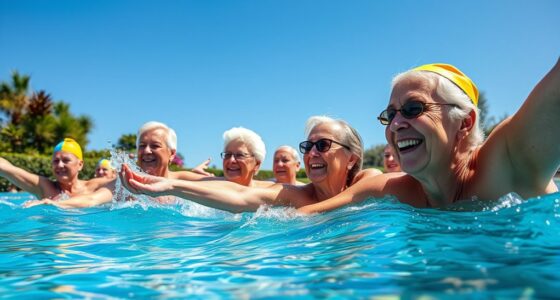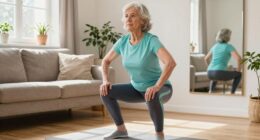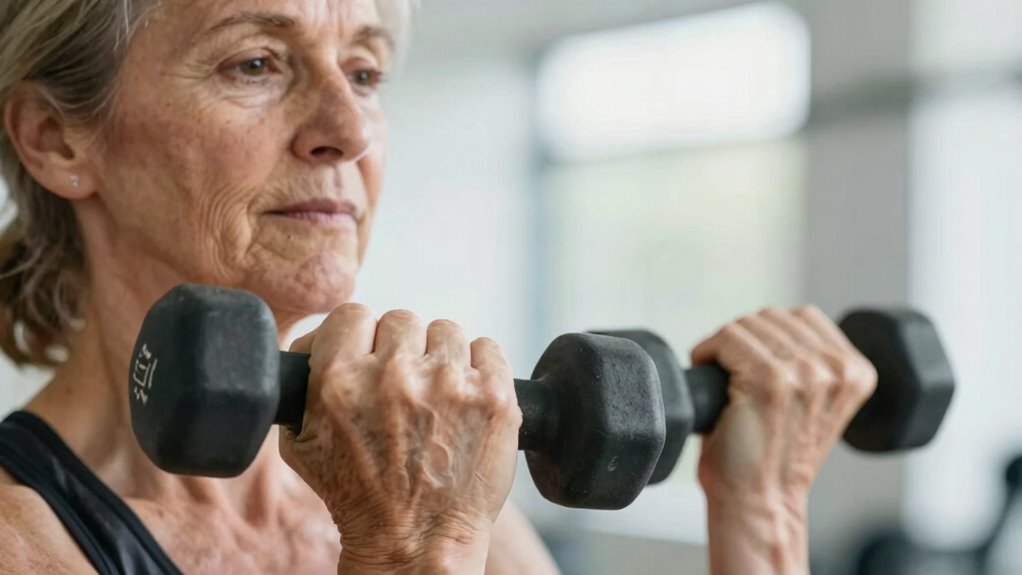

After 50, you might notice your strength decreasing, making daily tasks like lifting or climbing stairs more challenging. Muscles can feel less firm, and endurance drops as muscle tissue shrinks. This happens partly because of hormonal declines and muscle atrophy. To fight this, engage in regular resistance and aerobic exercises, eat enough protein, and consider medical advice for hormonal health. Staying active helps maintain muscle and independence—keep going, and you’ll learn ways to turn things around.
Open a free Amazon Business account
Business pricing, bulk buying and tax-exempt orders.
As an affiliate, we earn on qualifying purchases.
Key Takeaways
- Muscle atrophy causes visible weakness, reduced endurance, and less firmness in muscles after age 50.
- Hormonal declines impair muscle repair, accelerating strength loss in older adults.
- Regular resistance training and combined aerobic exercises help preserve muscle mass and function.
- Adequate protein intake and supplementation support muscle repair and growth in aging individuals.
- Medical consultations for hormonal management can enhance strategies to counteract strength decline.
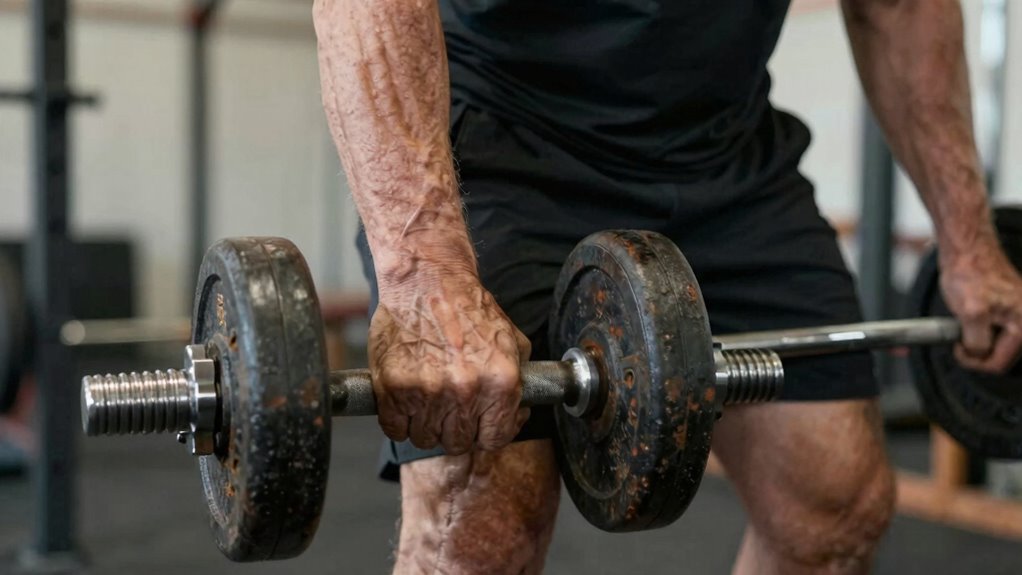
Many people notice a decline in strength after age 50, but understanding the reasons behind it can help you take proactive steps. As you age, your muscles tend to weaken, and you might notice this as difficulty lifting objects, climbing stairs, or performing daily activities that once felt effortless. This loss of strength isn’t just a natural part of aging; it’s often linked to muscle atrophy, which is the shrinking or wasting away of muscle tissue. When muscles atrophy, your overall strength diminishes, making even simple movements seem more challenging. Additionally, hormonal changes play a significant role in this process. As you get older, levels of hormones like testosterone, growth hormone, and estrogen decline. These hormones are essential for muscle maintenance and repair. When their levels drop, your body’s ability to rebuild and preserve muscle tissue slows down, accelerating strength loss.
You might also notice that your muscles feel less firm or full, and endurance decreases, especially during physical activities you once enjoyed. This can lead to a cycle where reduced activity causes further muscle atrophy, compounding the problem. It’s tempting to accept this as inevitable, but you can counteract these effects with deliberate action. Strength training becomes especially important; lifting weights or doing resistance exercises stimulates muscle growth and helps prevent atrophy. Regular exercise signals your body to preserve muscle mass, even in the face of hormonal decline. Combining strength training with aerobic activities can improve overall muscle function and endurance, making daily tasks easier and reducing the risk of falls or injuries. Incorporating muscle maintenance strategies can further enhance your efforts and longevity. Engaging in herbal wellness practices, such as herbal baths and spices like turmeric and ginger, may also support overall vitality and recovery.
Nutrition also plays a critical role. Ensuring you consume enough protein supports muscle repair and growth. Some older adults find that supplementing with protein or amino acids enhances their efforts in maintaining strength. Moreover, staying informed about hormonal health and potential medical interventions can help you manage the effects of hormonal decline more effectively. It’s also beneficial to understand how exercise equipment can be tailored to suit aging bodies, making workouts safer and more effective. Furthermore, managing hormonal imbalances through medical consultation can sometimes help mitigate the effects of hormonal changes. While aging is unavoidable, its impact on strength isn’t set in stone. Staying active, eating well, and seeking medical advice when needed empowers you to slow down the natural decline. By understanding that muscle atrophy and hormonal changes are key factors, you can adopt targeted strategies to preserve your strength, independence, and quality of life as you age.
adjustable dumbbell set for seniors
As an affiliate, we earn on qualifying purchases.
As an affiliate, we earn on qualifying purchases.
Frequently Asked Questions
Can Strength Loss Be Reversed Completely After 50?
Strength loss after 50 isn’t usually reversible completely, but you can considerably improve it. You promote muscle regeneration through consistent strength training and proper nutrition. Hormonal therapy might help boost testosterone or other hormones that decline with age, supporting muscle growth. While you might not fully regain your former strength, staying active and exploring medical options can help you regain much of your strength and enhance your quality of life.
How Does Menopause Affect Muscle Strength Decline?
Imagine Sarah, who notices her strength slipping after menopause. Hormonal changes, especially decreased estrogen, accelerate muscle strength decline and reduce bone density. These shifts make it harder to lift weights or climb stairs. You experience similar effects, as your body’s hormones influence muscle mass. To counteract this, engaging in weight-bearing exercises and ensuring adequate protein intake can help maintain strength and support healthy bones during and after menopause.
Are Supplements Effective in Preventing Strength Loss?
Supplements can help prevent strength loss if you pay attention to dietary timing and choose safe options. Taking protein or vitamin D at the right times maximizes their benefits, supporting muscle maintenance. Always prioritize supplement safety by consulting your healthcare provider to avoid interactions or excess. While supplements aren’t magic, when combined with proper diet and exercise, they can be a valuable part of your strength-preserving routine after 50.
What Are the Risks of Ignoring Strength Training at 50+?
Ignoring strength training after 50 may lead to subtle setbacks like decreased bone density and compromised cardiovascular health. Without regular activity, you might notice easier fatigue and less resilience, which can affect your daily life and independence. Staying active helps strengthen your bones and keeps your heart healthy. So, skipping out on strength exercises might mean missing out on essential benefits that support your vitality and overall well-being as you age.
How Does Genetics Influence Strength Decline After 50?
Your genetics play a role in how you experience strength decline after 50. A genetic predisposition affects muscle fiber composition, which influences your muscle mass and strength retention. If you inherit a higher proportion of fast-twitch fibers, you might lose strength more quickly. However, engaging in regular strength training can help mitigate these genetic effects, preserving muscle function and reducing the impact of natural decline as you age.
Conclusion
Remember, staying active and prioritizing strength training can make all the difference after 50. While muscle loss is inevitable, it’s not your destiny to accept it passively. With consistent effort, you can turn back the clock and keep your strength steady. Don’t let age be the straw that breaks the camel’s back—embrace a healthy lifestyle today, because it’s never too late to start. Keep fighting the good fight, and you’ll stay strong for years to come.
Evergreen bestsellers Picks
bestsellers
As an affiliate, we earn on qualifying purchases.