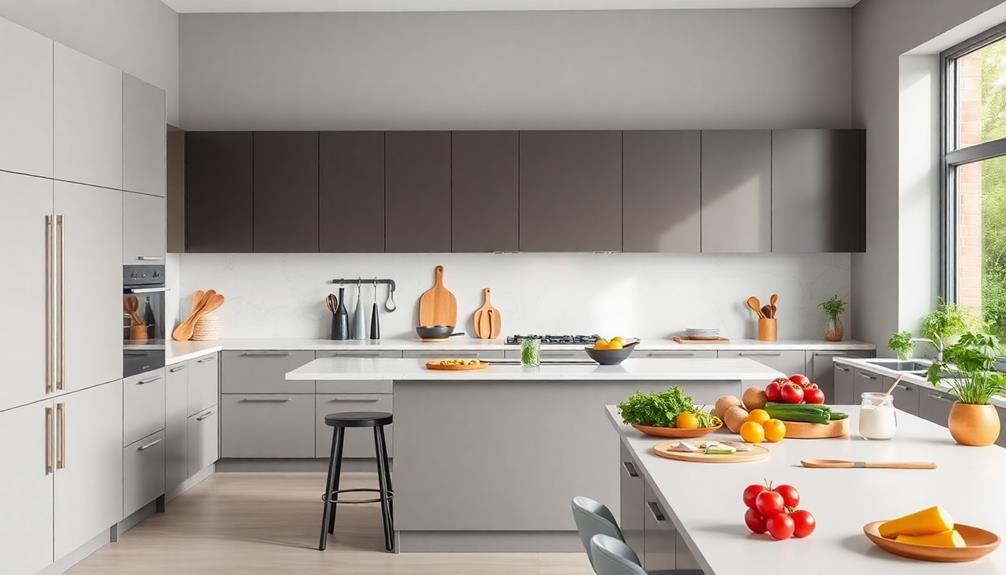

You’ll find healthy eating becomes simpler when your environment and routines are set up to support good choices automatically. By organizing your kitchen, prepping meals, and keeping nutritious snacks within reach, you reduce temptations and minimize decision fatigue. Using tools like reminders and tracking apps reinforces healthy habits over time. When your surroundings encourage better habits and routines, making healthy choices feels natural and effortless. Keep exploring to discover more ways to make these changes stick.

Get workout gear delivered free with Prime
- Fast, free delivery on millions of items
- Prime Video, Amazon Music and more included
- Member-only deals all year
Key Takeaways
- Better defaults reduce decision fatigue, making healthy choices automatic and less effortful.
- Organizing environments to prioritize nutritious foods encourages consistent healthy eating habits.
- Pre-planning meals and snacks minimizes impulsive, less healthy options.
- Using reminders and tracking tools reinforce positive defaults over time.
- Habitual routines and environmental cues make healthy eating feel natural and sustainable.
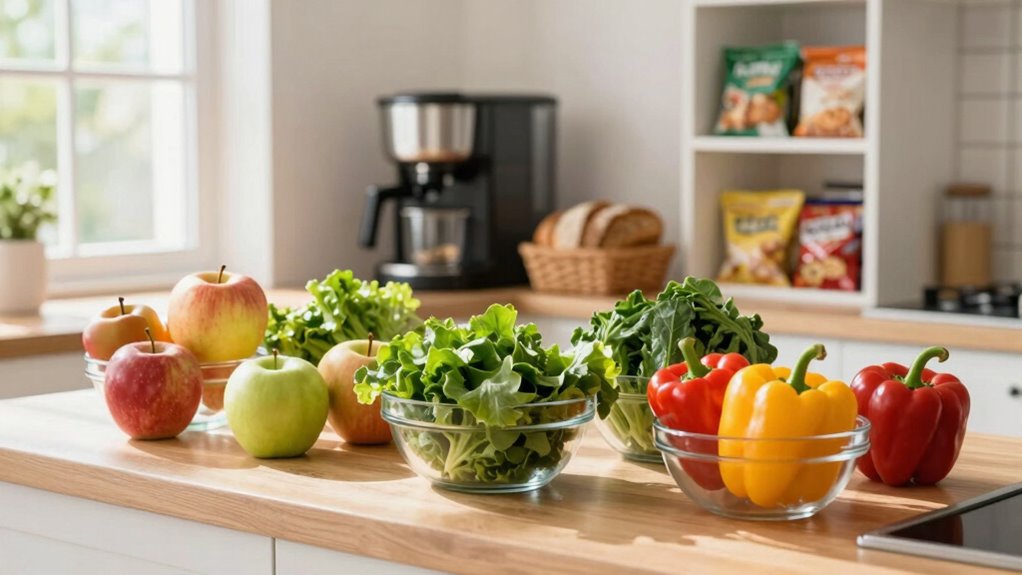
Default settings can profoundly influence your eating habits, often more than you realize. When it comes to making healthier choices, your environment and routines play a crucial role. For example, your default approach to meal prep can set the tone for the entire week. If you routinely prepare nutritious meals in advance, you’re more likely to reach for wholesome foods rather than processed snacks. Having healthy options readily available removes the temptation to settle for less nutritious alternatives. Conversely, if your default is to skip meal prep or keep unhealthy snacks within easy reach, you might find yourself craving junk food or overeating during busy days. Establishing a routine where healthy meals are prepped and portioned can make a noticeable difference in your overall diet.
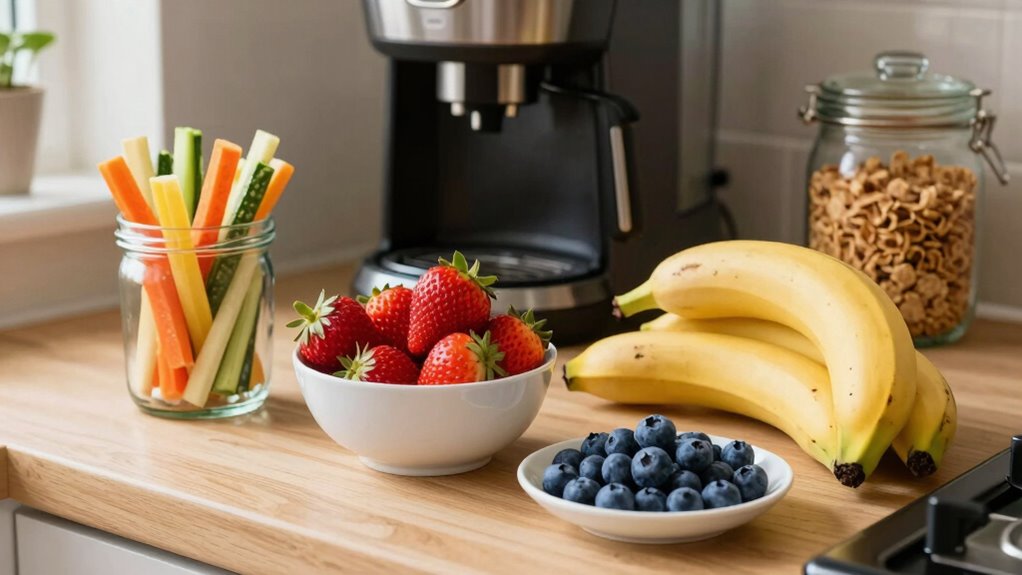
Snacking habits are another area where defaults have a big impact. Many people fall into the trap of mindless snacking, often reaching for chips or candy when they’re bored or distracted. If your default is to keep unhealthy snacks in your pantry or desk drawer, it becomes much harder to resist them when cravings hit. Instead, you can change your default by stocking your environment with healthier alternatives—nutrient-dense nuts, fruit, or veggie sticks. When these become your go-to snacks, you naturally shift away from less nutritious options without feeling deprived. Over time, this change in default can rewire your habits, making healthy snacking the easy choice rather than an effortful one.
It’s also about how you set up your surroundings and routines to support good defaults. For instance, organizing your kitchen so that healthy foods are more visible and accessible than junk foods helps reinforce better choices. Planning your meals and snacks ahead of time helps you avoid impulsive decisions driven by convenience. These small tweaks might seem minor, but they can profoundly influence your behavior by reducing the mental effort needed to choose healthy options. The more you align your environment with your health goals, the less you’ll have to rely on willpower alone. Additionally, understanding the role of defaults in shaping behavior can help you design more effective strategies for maintaining healthy eating habits. By optimizing your environment with technological tools such as reminders or tracking apps, you can further support your default choices. Recognizing how behavioral cues influence your decisions allows you to create more consistent routines that promote healthier habits. Also, being aware of habit formation principles can help you reinforce these defaults over time, making healthy choices more automatic and less effortful. When you leverage these behavioral principles, your defaults become even stronger, helping you sustain long-term healthy eating behaviors. Over time, these defaults become ingrained, making healthy eating feel natural and effortless. When your environment supports your goals, you’ll find it easier to maintain balanced eating habits without constantly battling temptations or making last-minute compromises.
meal prep containers for healthy eating
As an affiliate, we earn on qualifying purchases.
As an affiliate, we earn on qualifying purchases.
Frequently Asked Questions
How Do Defaults Influence Long-Term Eating Habits?
Defaults influence your long-term eating habits by acting as behavioral nudges that shape your choices effortlessly. When healthier options are default, you’re more likely to select them regularly, reinforcing positive habits over time. These subtle cues guide your behavior without requiring conscious effort, making habit formation smoother. By setting good defaults, you naturally integrate healthier eating into your routine, leading to lasting improvements in your diet without feeling forced.
Can Default Changes Help With Specific Dietary Restrictions?
Yes, default changes can support your specific dietary restrictions by aligning with your personalized preferences and cultural influences. When defaults are adjusted to include suitable options, you’re more likely to choose meals that fit your needs effortlessly. This reduces decision fatigue, makes healthy choices more routine, and respects your cultural background. Over time, these defaults help reinforce your dietary goals, making it easier to stick with restrictions without feeling deprived.
Are Default Options Effective for Children’s Healthy Eating?
You know what they say, “You are what you eat,” and default options can be quite effective for children’s healthy eating. By shaping pediatric taste through appealing, nutritious defaults, you leverage parental influence to guide better choices. When healthy options are the easiest and most accessible, kids naturally develop positive eating habits. This approach helps set lifelong patterns, making nutritious choices second nature for your children.
What Are Some Common Default Modifications in Meal Planning?
You can modify defaults in meal prep by choosing healthier ingredients and portion sizes upfront, making it easier to stick to nutritious options. During grocery shopping, opt for whole grains, fresh produce, and lean proteins as your default choices, avoiding processed foods. Planning meals ahead of time helps you maintain these defaults, reducing impulsive buys and making healthy eating more automatic and sustainable.
How Do Defaults Impact Food Portion Sizes?
You might notice that defaults subtly influence your food choices, especially portion control and snack choices. When default sizes are smaller, you tend to serve and eat less, naturally regulating intake. Conversely, larger defaults can lead to overeating. Setting better defaults, like pre-portioned snacks or smaller plates, helps you naturally control portions without constant effort, making healthier habits easier to adopt and maintain over time.
Conclusion
Think of your habits as a garden—what you plant today shapes what blooms tomorrow. When your defaults are set to healthy choices, you’re planting seeds of well-being without extra effort. Over time, these choices grow into a lush landscape of energy and balance. Remember, you hold the watering can; with each mindful decision, you’re nurturing a future where health naturally blossoms, transforming your everyday routines into a thriving sanctuary of wellness.
Halloween Picks
halloween
As an affiliate, we earn on qualifying purchases.