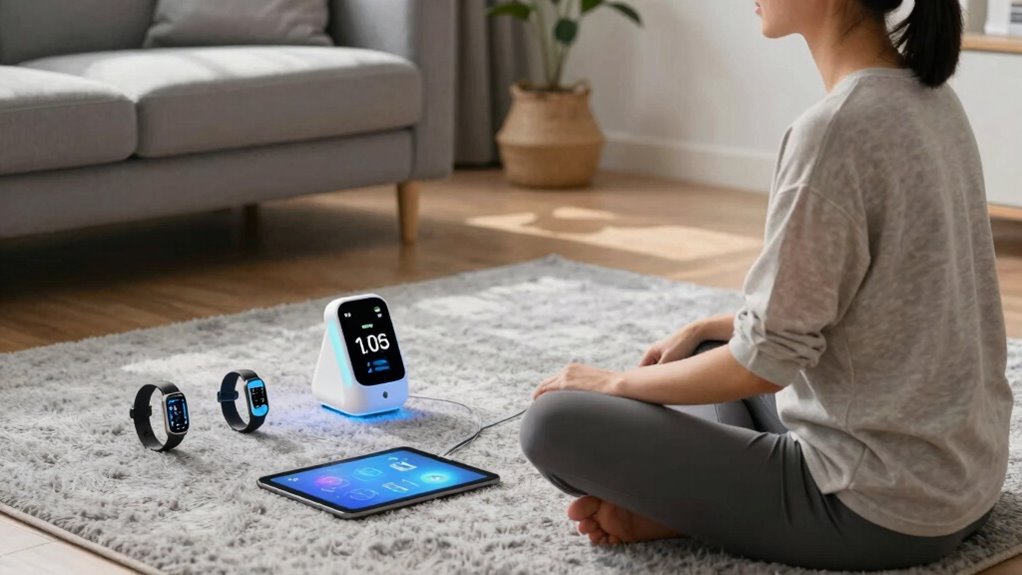

Smart wellness devices can help you monitor your health in real-time, motivate better habits, and identify patterns to improve your well-being. However, they can also distract you if the data is inaccurate or misunderstood, leading to unnecessary worry or false achievements. It is crucial to use these tools as guides, not substitutes for professional advice, and choose reputable brands that prioritize data security. To make the most of these devices, understanding their limits and benefits is key—if you want to learn more, keep exploring.
Open a free Amazon Business account
Business pricing, bulk buying and tax-exempt orders.
As an affiliate, we earn on qualifying purchases.
Key Takeaways
- Data from wellness devices can guide healthier choices but may cause unnecessary worry if misinterpreted or inaccurate.
- Rely on device insights as a supplement, not a replacement, for professional medical advice.
- Ensure data privacy by choosing reputable brands and understanding how your health information is stored and shared.
- Recognize device limitations and cross-reference data with other health indicators to avoid false conclusions.
- Use wellness device data responsibly to support overall health management without overdependence.
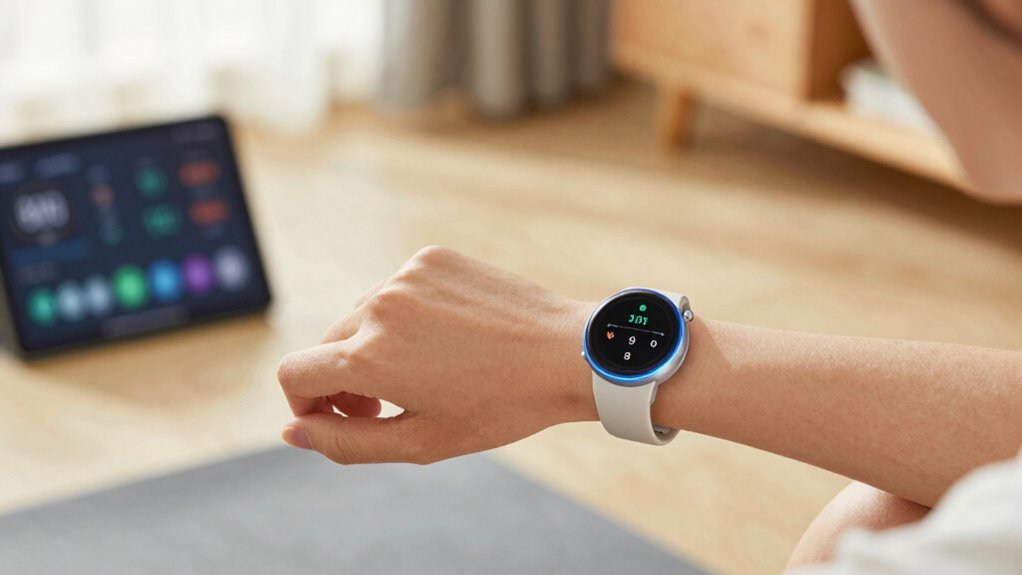
In today’s fast-paced world, smart wellness devices are revolutionizing how you monitor and improve your health. These gadgets, from fitness trackers to smart scales, offer real-time insights that can motivate you to stay active, eat better, and manage stress more effectively. But as you embrace this technology, it’s essential to consider some of the challenges it brings, especially around privacy concerns and data accuracy. While these devices can provide valuable information, they’re not infallible, and understanding their limitations helps you make smarter choices.
Privacy concerns are a significant issue when it comes to smart wellness devices. You share sensitive health data, often stored in cloud servers or transmitted to app developers. If this data isn’t properly protected, it could be vulnerable to breaches or misuse. You might worry about who has access to your health information and how it could be used beyond your personal benefit. It’s crucial to read privacy policies carefully and choose devices from reputable brands that prioritize data security. Being aware of how your data is stored, shared, and used can help you maintain control over your personal information and prevent potential privacy violations. data security is an essential aspect to consider when selecting these devices. Additionally, understanding how your data is handled can help you evaluate the trustworthiness of the technology. Recognizing the importance of natural elements in supporting sustainable practices can also influence your choices in personal health technology.
Protect your health data by choosing reputable brands and understanding how your information is stored and shared.
Data accuracy is another critical factor. While these devices are designed to track metrics like step count, heart rate, or sleep patterns, they aren’t always precise. Variability in sensor quality, placement, and user behavior can lead to discrepancies in the data. Relying solely on these numbers might give you a false sense of achievement or cause unnecessary concern. For instance, a fitness tracker might overestimate your activity level, making you think you’re doing more than you actually are, or underestimate your sleep quality, leaving you puzzled about your health habits. It’s important to interpret this data as a guide rather than an absolute measure. Cross-referencing with other health indicators or consulting healthcare professionals can give you a more comprehensive picture. Recognizing the limitations of these devices can help prevent misinterpretations and ensure you use the data effectively. Moreover, the horsepower of electric dirt bikes demonstrates how technology can produce powerful outputs, similar to how wellness devices aim to deliver impactful health insights. Recognizing the limitations of these devices can help prevent misinterpretations and ensure you use the data effectively.
Despite these concerns, smart wellness devices can be incredibly helpful when used wisely. They can motivate you to stay active, help identify patterns, and provide personalized insights. But remember, they’re tools to complement, not replace, professional medical advice. Be cautious of over-reliance on their data, especially if it conflicts with other health information or symptoms you experience. Balancing the benefits of real-time data with an awareness of its limitations ensures you use these devices as a positive addition to your health journey, rather than a distraction or source of unnecessary worry.
best fitness tracker for accurate step counting
As an affiliate, we earn on qualifying purchases.
As an affiliate, we earn on qualifying purchases.
Frequently Asked Questions
How Accurate Are the Data Readings From Wellness Devices?
The data accuracy of wellness devices varies depending on the device and how well it’s calibrated. Many consumer-grade devices provide reasonably reliable readings, but they can be affected by factors like placement and user activity. To guarantee accurate data, you should regularly calibrate your device and follow the manufacturer’s instructions. Keep in mind, no device is perfect, so use the data as a helpful guide rather than an absolute measure.
Can These Devices Replace Professional Medical Advice?
Think of these devices as helpful navigators but not your captain in stormy seas. While DIY health monitoring and emotional well-being integration offer insight, they can’t replace professional medical advice, which is like a seasoned lighthouse guiding your health journey. Use these tools to understand your body better, but trust healthcare professionals for diagnosis and treatment. They’re the true compass in your wellness voyage.
Are There Privacy Concerns With Health Data Collection?
Yes, there are privacy risks with health data collection from smart wellness devices. You should be aware of data security issues, like potential breaches or unauthorized access. Always review privacy policies and settings to control who can see your health information. While these devices offer valuable insights, protecting your data is essential. Being cautious about data sharing helps prevent misuse and ensures your health information remains confidential.
How Often Should I Calibrate or Update My Device?
You should calibrate or update your device regularly, typically every few months, to guarantee accuracy. Check the manufacturer’s guidelines for calibration frequency, as it varies by device. Proper calibration extends your device’s lifespan and maintains reliable data collection. If you notice inconsistent readings or performance issues, recalibrate sooner. Staying current with updates also helps fix bugs and enhances functionality, ensuring your device remains effective and accurate over time.
Do Wellness Devices Work Equally Well for All Age Groups?
They say “one size doesn’t fit all,” and that’s true for wellness devices too. Age-specific usability and device adaptability influence how well these gadgets work across different age groups. Younger users might find certain features more intuitive, while older adults may need devices with simpler interfaces. So, your device’s effectiveness depends on how well it’s tailored to your age and needs, making customization key for everyone’s wellness journey.
Conclusion
As you navigate the world of smart wellness devices, remember they’re like a double-edged sword—cutting through uncertainty but risking distraction. When used wisely, they’re your compass guiding you toward health; when overused, they turn into clutter obscuring your true well-being. Think of these devices as a lighthouse shining clarity amid fog—guiding your journey, but only if you keep your eyes on the horizon. Balance is key to harnessing their full potential.
Flea & tick season Picks
flea and tick prevention
As an affiliate, we earn on qualifying purchases.