
TL;DR

Get workout gear delivered free with Prime
- Fast, free delivery on millions of items
- Prime Video, Amazon Music and more included
- Member-only deals all year
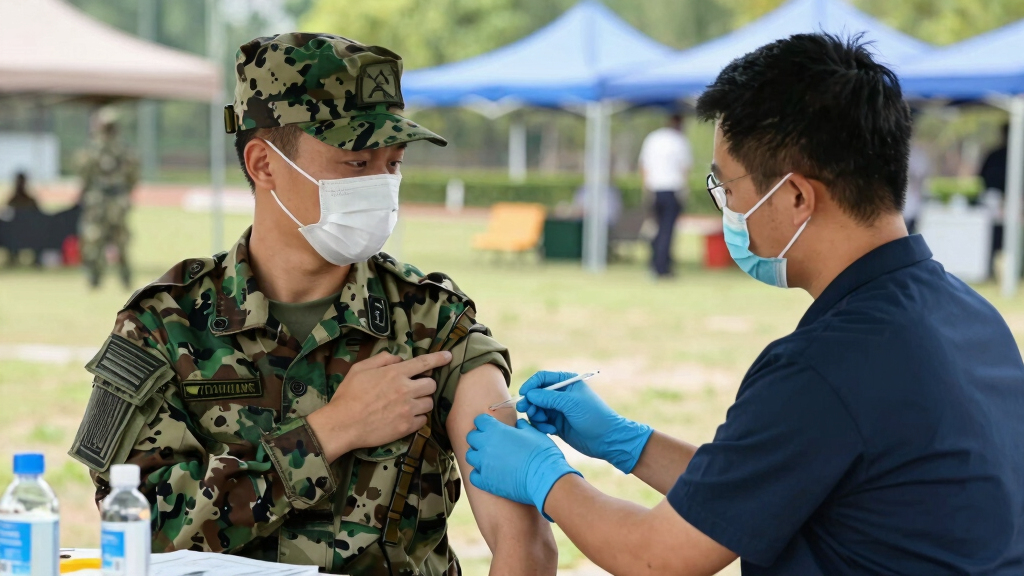
The Pentagon has reinstated mandatory flu shots for all military recruits after an outbreak at a boot camp sickened nearly 300 personnel. The move aims to control the spread of illness amid ongoing health concerns.
The Pentagon has reinstated mandatory influenza vaccinations for all new military recruits after an outbreak at a boot camp sickened nearly 300 personnel, officials confirmed today. This move comes amid ongoing efforts to prevent infectious disease spread within military training facilities.
According to Pentagon officials, the decision to restore mandatory flu shots was made in response to an outbreak that affected approximately 300 recruits and staff at a military boot camp. The outbreak was identified earlier this month, with symptoms including fever, cough, and fatigue, leading to significant disruptions in training activities. The Department of Defense has emphasized that the measure aims to bolster health safety protocols and reduce the risk of future outbreaks.
The outbreak prompted health officials to review current vaccination policies, resulting in the temporary suspension of the mandatory flu shot requirement earlier this year. Now, after assessing the situation and consulting with health experts, the Pentagon has decided to reimpose the vaccination mandate for all recruits entering training programs. The move is supported by military health authorities who say that influenza can significantly impact operational readiness and training schedules.
The statement from Pentagon spokesperson Lt. Col. James Roberts noted, “Reinstating mandatory flu vaccinations is a necessary step to protect our personnel and maintain readiness. We are committed to ensuring a safe training environment for all recruits.” The department has also increased health screenings and hygiene protocols at boot camps to further contain the outbreak and prevent recurrence.
Implications for Military Readiness and Public Health
The decision to reinstate mandatory flu shots underscores the importance of infectious disease control within military training environments. It highlights concerns about the potential impact of outbreaks on operational readiness and the health of service members. This move may influence vaccination policies across other military facilities and could set a precedent for enhanced health measures during flu seasons or health crises. For recruits and their families, it signals a renewed emphasis on health safety as part of military preparedness, especially amid ongoing concerns about infectious diseases.
As an affiliate, we earn on qualifying purchases.
Previous Policies and Recent Outbreaks at Military Bases
The Pentagon had temporarily suspended its mandatory flu vaccination policy earlier this year, citing logistical challenges and vaccine availability issues. However, the recent outbreak at a boot camp, which infected nearly 300 recruits and staff, prompted a policy reversal. Historically, the military has emphasized vaccination to prevent disease spread, particularly during flu seasons, but compliance has varied among recruits. The outbreak has reignited debates about vaccination policies and health safety protocols within military training environments. This is the first major outbreak at this scale since the last flu season, and health officials are now prioritizing preventative measures to avoid similar incidents in the future.
“Reinstating mandatory flu vaccinations is a necessary step to protect our personnel and maintain readiness.”
— Pentagon spokesperson Lt. Col. James Roberts
Unclear Scope of Outbreak and Long-term Policy Impact
It is not yet clear how many recruits were affected in total or whether the outbreak has been fully contained. The long-term impact of reinstating mandatory vaccinations on recruitment and compliance is still being evaluated, and officials have not specified if additional measures will be implemented if outbreaks recur.
Monitoring and Future Vaccination Policy Adjustments
Health authorities will continue monitoring the situation at boot camps and other military training sites. The Pentagon plans to review vaccination policies periodically, with possible adjustments based on outbreak trends and health data. Recruits will be required to receive the flu shot before entering training, and ongoing health screenings will be intensified during the flu season to prevent further outbreaks.
Key Questions
Why did the Pentagon suspend the mandatory flu shot previously?
The department cited logistical challenges and vaccine availability issues as reasons for the temporary suspension earlier this year.
How does the flu outbreak impact military training?
The outbreak caused disruptions in training schedules and reduced operational readiness due to illness among recruits and staff.
Are other vaccinations being considered for mandatory status?
Currently, the focus is on influenza vaccination, but officials have not announced plans to change other vaccination requirements.
What safety measures are in place besides vaccination?
Enhanced health screenings, hygiene protocols, and isolation procedures are being implemented to contain the outbreak.
Will this policy affect recruits’ ability to enlist?
Recruits will be required to receive the flu shot before starting training, but the policy aims to support health safety rather than restrict enlistment.
Source: google-trends
Halloween Picks
halloween
As an affiliate, we earn on qualifying purchases.