
TL;DR

Get workout gear delivered free with Prime
- Fast, free delivery on millions of items
- Prime Video, Amazon Music and more included
- Member-only deals all year
Aortic dissection is a severe medical emergency involving a tear in the aorta. Recent research advances are improving diagnosis and management, but challenges persist. This development underscores the importance of early detection and specialized care.
New diagnostic techniques and treatment strategies for aortic dissection are emerging, aiming to improve survival rates. This condition, a tear in the wall of the aorta, remains a critical medical emergency, with current efforts focusing on early detection and specialized intervention, according to recent medical reports.
Aortic dissection involves a tear in the innermost layer of the aorta, allowing blood to flow between the layers of the vessel wall. It can cause rapid deterioration and death if not promptly diagnosed and treated. Recent clinical studies highlight advancements in imaging technology, such as high-resolution CT scans, which are improving the speed and accuracy of diagnosis, according to leading cardiologists.
Several hospitals have reported increased use of endovascular repair techniques, which are less invasive than traditional surgery and show promising outcomes. However, experts caution that these treatments are not suitable for all patients, particularly those with complex dissections or other comorbidities. The challenge remains in early recognition, especially since symptoms can mimic other cardiovascular conditions.
Research also indicates that certain genetic factors and underlying conditions, such as hypertension and connective tissue disorders, significantly increase the risk of dissection. Ongoing clinical trials are exploring new pharmacological approaches aimed at preventing dissection in high-risk populations.
Why Advances in Diagnosis and Treatment Are Life-Saving
This development is vital because aortic dissection has a high mortality rate, with some estimates suggesting up to 40% of untreated cases result in death within the first 24 hours. Improved diagnostic tools enable quicker intervention, which is crucial for survival. Additionally, less invasive treatments expand options for patients who might not tolerate open surgery, potentially reducing complications and recovery times.
These advances also highlight the importance of public awareness and prompt medical attention for symptoms such as sudden chest or back pain. As research progresses, the hope is to reduce the incidence of fatal outcomes and improve long-term quality of life for survivors.
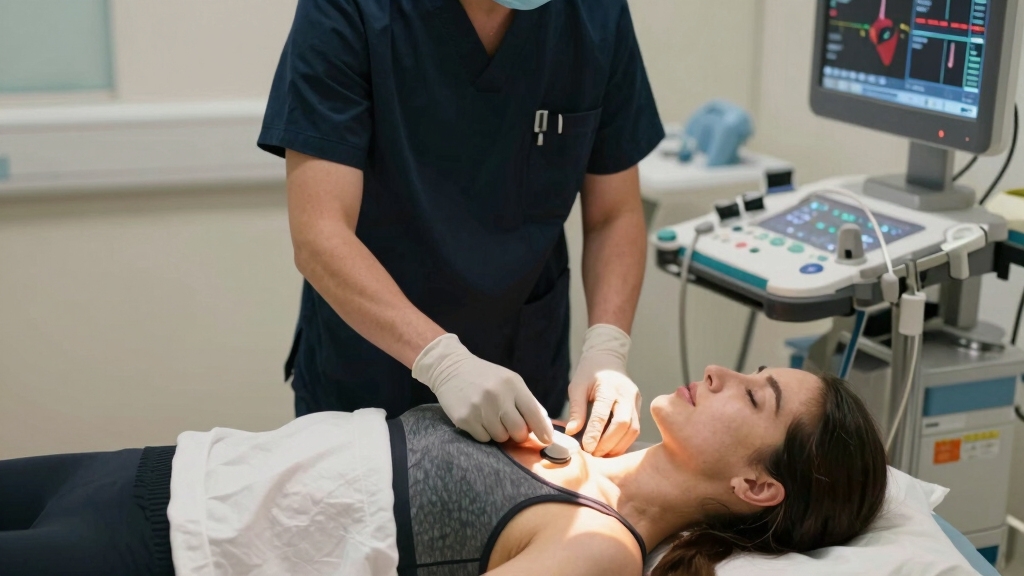
high-resolution CT scan for aortic dissection
As an affiliate, we earn on qualifying purchases.
As an affiliate, we earn on qualifying purchases.
Recent Trends and Ongoing Research in Aortic Dissection
Historically, aortic dissection was often diagnosed post-mortem or after significant deterioration. Recent decades have seen improvements in imaging technology, leading to earlier detection. The condition primarily affects older adults, especially those with hypertension or genetic disorders like Marfan syndrome.
In 2022, several hospitals reported increased use of endovascular repair, a minimally invasive approach developed over the past decade. Meanwhile, ongoing research explores genetic markers and pharmacological prevention methods. Despite these advances, the condition remains underdiagnosed due to its variable presentation and the rapid progression in some cases.
Current guidelines recommend rapid imaging and surgical consultation for suspected cases, but access to specialized care varies geographically. The medical community continues to seek better risk stratification tools to identify high-risk individuals before an emergency occurs.
“Early diagnosis is critical; advances in imaging are saving more lives than ever before.”
— Dr. Emily Carter, Cardiologist
Unresolved Challenges in Managing Aortic Dissection
Despite progress, several issues remain unresolved. It is not yet clear how widely available the latest diagnostic techniques are in all healthcare settings, especially in rural or underfunded hospitals. The long-term outcomes of newer endovascular procedures compared to traditional surgery are still being studied, and there is no universal consensus on optimal management strategies for all dissection types. Additionally, the genetic and environmental factors contributing to dissection risk require further research to develop effective prevention programs.
Next Steps in Research and Clinical Practice for Aortic Dissection
Researchers are planning larger clinical trials to compare long-term outcomes of different treatment modalities. Efforts are also underway to develop genetic screening tools for high-risk populations. On the clinical front, healthcare providers are working to improve protocols for rapid diagnosis and to expand access to minimally invasive treatments. Public health campaigns aim to raise awareness of symptoms and risk factors to facilitate earlier intervention.
Key Questions
What are the main symptoms of aortic dissection?
Common symptoms include sudden, severe chest or back pain often described as tearing or ripping, along with symptoms like fainting, shortness of breath, or weakness. Immediate medical attention is critical.
How is aortic dissection diagnosed?
Diagnosis typically involves imaging tests such as CT angiography, MRI, or transesophageal echocardiography, which can quickly visualize the extent of the tear and dissection.
Can aortic dissection be prevented?
While specific prevention methods are limited, controlling risk factors like hypertension, avoiding smoking, and managing connective tissue disorders may reduce the risk. Regular medical check-ups are advised for high-risk individuals.
What treatments are available for aortic dissection?
Emergency surgical repair is often necessary, especially for type A dissections. Less invasive endovascular procedures are increasingly used for type B dissections. Treatment depends on the dissection type and patient condition.
Source: google-trends
Halloween Picks
halloween
As an affiliate, we earn on qualifying purchases.