To train for a stronger, healthier beach body, focus on a mix of balanced nutrition, cardio, and strength exercises. Eat whole, nutrient-rich foods, stay hydrated, and avoid processed junk for better energy and recovery. Include cardio like HIIT to burn fat and boost heart health, and do compound strength training moves to build muscle and boost metabolism. Rest is just as important as workouts. Keep progressing, stay consistent, and you’ll discover more tips along the way.
Key Takeaways
- Combine balanced nutrition, focusing on whole foods, hydration, and avoiding processed foods to support overall health and workout recovery.
- Incorporate regular cardio sessions, especially HIIT, to burn fat, improve cardiovascular health, and enhance endurance.
- Engage in strength training with compound movements 2-3 times weekly to build muscle, boost metabolism, and tone the body.
- Prioritize rest, sleep, and recovery days to prevent overtraining and promote muscle repair and growth.
- Maintain consistency, track progress with data analysis, and stay motivated to achieve sustained, long-term results.
Getting a stronger, healthier beach body isn’t just about hitting the gym randomly; it’s about following a targeted, consistent plan that combines strength training, cardio, and proper nutrition. To make real progress, you need to focus on nutrition tips that fuel your workouts and support recovery. Prioritize whole, nutrient-dense foods like lean proteins, vegetables, fruits, and whole grains. These foods provide essential vitamins and minerals that boost your energy levels and help your body repair muscle tissue. Avoid processed foods and sugary drinks, which can sabotage your efforts by causing inflammation and energy crashes. Staying well-hydrated is also essential, so aim to drink plenty of water throughout the day, especially before, during, and after exercise.
Focus on nutrient-dense foods, stay hydrated, and avoid processed foods to fuel your workouts and support recovery.
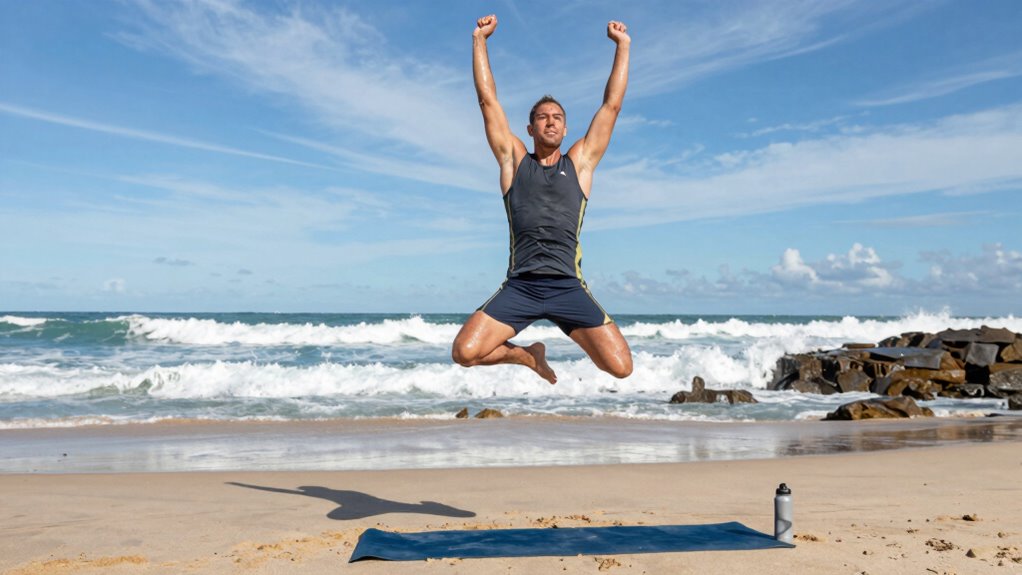
Incorporate cardio workouts into your routine to burn calories, improve cardiovascular health, and accelerate fat loss. You don’t need to spend hours on the treadmill; instead, opt for high-intensity interval training (HIIT), which alternates periods of intense effort with recovery. This approach keeps your heart rate elevated, maximizes calorie burn, and shortens your workout time. Activities like sprinting, cycling, or jumping rope can be highly effective. Consistency is key—aim for at least three to four cardio sessions per week, gradually increasing intensity as your fitness improves. Incorporating side-channel techniques can also help you better understand your workout progress and optimize your training plan. Additionally, tracking your progress through data analysis can help you identify which workouts are most effective and keep you motivated.
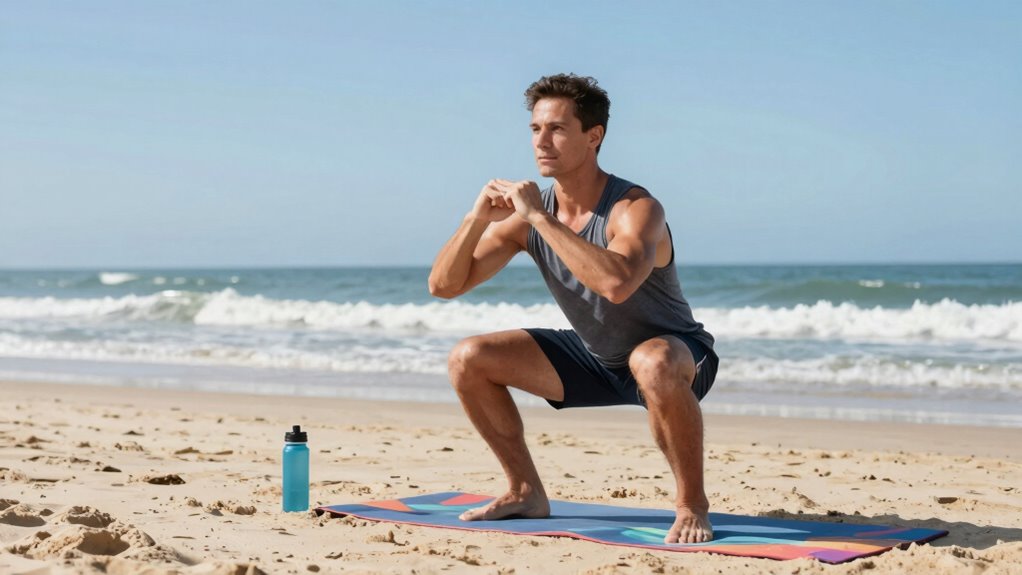
Strength training is essential for building muscle, shaping your body, and increasing your metabolism. Focus on compound movements like squats, deadlifts, push-ups, and pull-ups that target multiple muscle groups simultaneously. These exercises not only help you develop strength but also burn more calories. Incorporate resistance training at least two to three times weekly, varying your routines to challenge different muscles and prevent plateaus. Proper form is vital to avoid injuries and maximize results, so consider working with a trainer or watching tutorials if you’re unsure about technique.
Finally, remember that rest and recovery are just as important as your workouts. Your muscles need time to repair and grow, so schedule at least one or two rest days each week. Adequate sleep supports your energy levels, hormonal balance, and overall progress. With a solid plan that combines balanced nutrition, effective cardio workouts, and strength training, you’ll set yourself up for a beach-ready body that’s not only toned but truly healthier. Stay consistent, listen to your body, and celebrate small victories along the way.
As an affiliate, we earn on qualifying purchases.
Frequently Asked Questions
How Long Does It Take to See Visible Results?
You can start seeing visible results in about 4 to 6 weeks, depending on your workout consistency and diet. As you focus on muscle definition and fat loss, you’ll notice your body becoming leaner and more toned. Stay committed to your training routine, eat a balanced diet, and give your body time to adapt. With patience and dedication, you’ll soon reveal a stronger, healthier beach body.
Can I Achieve a Beach Body With Only Home Workouts?
Can you achieve a beach body with only home workouts? Absolutely! You can do outdoor exercises and use equipment alternatives like water bottles or resistance bands to challenge your muscles. Consistency matters most, so commit to a variety of routines that target different areas. With dedication, you’ll see results. Who says you need a gym to get beach-ready? Your home can be just as effective!
What Should I Eat to Complement My Training?
You should focus on eating a balanced diet with proper nutrient timing. Consume lean proteins, whole grains, and healthy fats to fuel your workouts and aid recovery. Eat smaller, frequent meals to maintain energy levels and support muscle growth. Hydrate well and include fruits and vegetables for essential vitamins and minerals. By maintaining nutrient balance and timing your meals around your training, you’ll optimize your results and get closer to that beach-ready body.
How Often Should I Rest Between Workouts?
Did you know that overtraining can decrease your strength gains by up to 50%? You should rest between workouts for ideal recovery and progress. Generally, aim for at least 48 hours of rest between intense sessions targeting the same muscle groups. Adequate rest frequency boosts workout recovery, prevents injuries, and helps muscles rebuild stronger. Listen to your body and incorporate rest days into your routine to maximize results and avoid burnout.
Are Supplements Necessary for a Beach-Ready Body?
Supplements aren’t necessary, but they can support your fitness journey. Diet supplements and fitness supplements can fill nutritional gaps, boost energy, and aid recovery. However, focus on a balanced diet rich in whole foods first. If you choose to use supplements, consult a professional to guarantee they suit your goals. Remember, consistency with workouts and proper nutrition are key—supplements are just an extra boost, not a substitute.
Conclusion
Now that you’ve started your journey toward a stronger, healthier beach body, remember—true transformation isn’t just about the workouts. It’s about embracing the challenge, pushing past your limits, and discovering what you’re truly capable of. As you continue, unexpected results may appear when you least expect them. Stay committed, stay curious, and keep moving forward. The beach isn’t the only thing waiting for you to shine—your best self is just around the corner, ready to surprise you.