
Recovery is an essential part of your workout plan because it helps your body repair muscles, rebuild strength, and prevent injury. Pushing yourself hard without giving your body time to recover can hinder progress and prolong soreness. Incorporating proper nutrition, hydration, and recovery techniques guarantees quicker, more effective progress. Personalized recovery strategies, sometimes aided by technology, optimize results. Keep exploring to discover how integrating recovery can boost your fitness and keep you on track.

Get workout gear delivered free — and shop member deals
- Fast, free delivery on millions of items
- Access to Prime Big Deal Days deals on October 6–7
- Prime Video, Amazon Music and more included
Key Takeaways
- Recovery allows muscles to repair and grow stronger, preventing overtraining and injuries.
- Incorporating recovery improves overall workout effectiveness and long-term progress.
- Proper recovery reduces soreness, enhancing subsequent workout performance.
- Nutrition, hydration, and techniques are essential components of an effective recovery plan.
- Personalized recovery strategies, supported by technology, optimize fitness results and sustainability.

Many people focus so much on pushing themselves during workouts that they overlook the importance of recovery. They believe that to make progress, they need to constantly push harder, lift heavier, or run further. But without proper recovery, your body can’t repair itself or grow stronger. Recovery isn’t just about rest days; it’s an essential part of your overall workout plan that requires intentional effort. One key aspect of recovery is your nutrition strategies. After a tough session, what you eat can considerably influence how quickly your muscles repair and how well your energy stores replenish. Consuming a balanced mix of protein, healthy fats, and carbohydrates helps optimize muscle recovery and reduce soreness. For example, a protein-rich snack or meal within an hour of exercising supplies amino acids your muscles need to rebuild. Hydration plays an important role here, too, as water helps transport nutrients and flush out waste products from your muscles. Skimping on proper nutrition can prolong recovery time and diminish your performance in subsequent workouts. Additionally, understanding the significance of recovery techniques can further enhance your ability to bounce back effectively, especially when combined with proper nutrition strategies. Incorporating evidence-based methods can also make your recovery process more efficient and tailored to your individual needs. For instance, utilizing smart IoT technologies like app-based monitoring can provide personalized insights into your recovery status and help optimize your overall plan. Paying attention to individual recovery needs ensures that your approach remains effective and sustainable for long-term fitness improvements.
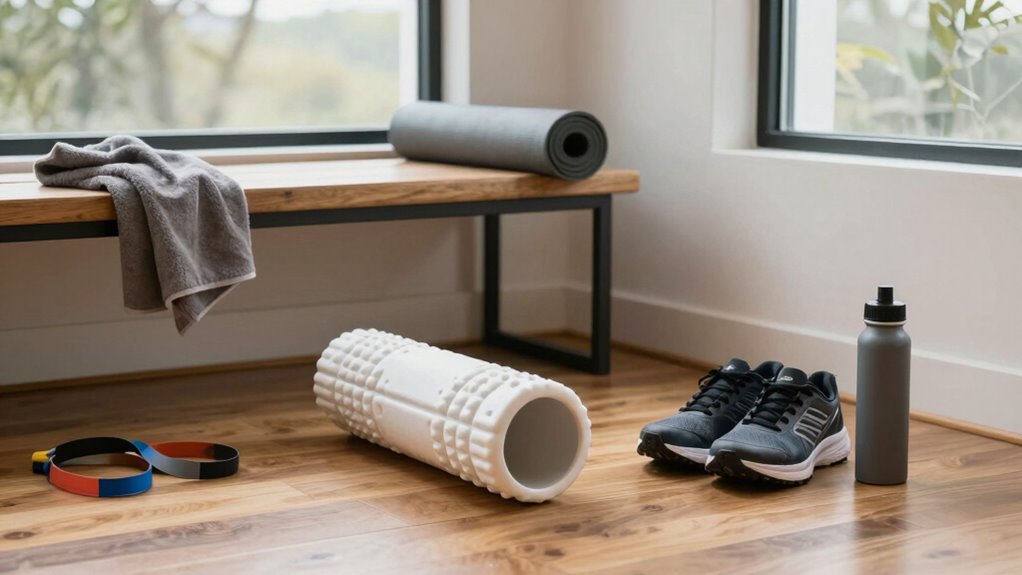
post-workout recovery foam roller
As an affiliate, we earn on qualifying purchases.
As an affiliate, we earn on qualifying purchases.
Frequently Asked Questions
How Often Should I Incorporate Recovery Days Into My Routine?
You should incorporate recovery days into your routine about every 3 to 4 days, depending on your workout intensity. During these days, focus on hydration strategies and gentle stretching routines to help your muscles recover. Listen to your body—if you’re feeling overly sore or fatigued, add extra recovery days. Proper rest and recovery improve performance, prevent injury, and enhance overall progress.
What Are the Best Ways to Recover After Intense Workouts?
Think of your body as a busy city after a long day. To recover, you need to clear the traffic, so hydration strategies are your water stations, helping flush out toxins and refuel. Mental relaxation acts like calming music, easing stress and restoring balance. Incorporate gentle stretching, proper nutrition, and rest into your routine. These steps help your city (body) run smoothly again, ready for the next workout.
Can Recovery Help Prevent Workout Injuries?
Recovery can definitely help prevent workout injuries. When you give your muscles time to recover, you reduce muscle soreness and avoid overuse injuries. Additionally, mental relaxation during recovery helps you stay motivated and focused, preventing fatigue-related mistakes. By incorporating proper rest, stretching, and relaxation techniques, you allow your body to repair and strengthen, ultimately lowering your risk of injuries and keeping you consistent in your fitness journey.
How Does Sleep Influence Recovery and Performance?
Sleep profoundly influences recovery and performance; studies show athletes who get quality sleep perform 10-15% better. When you sleep well, your sleep quality improves, aiding muscle repair and reducing fatigue. It also helps maintain hormonal balance, which is essential for recovery and energy levels. By prioritizing restful sleep, you support your body’s ability to recover faster, perform better, and prevent injuries. Sleep isn’t just rest—it’s a key part of your workout success.
Are There Specific Foods That Aid in Workout Recovery?
You should focus on post-workout nutrition by consuming foods rich in protein, carbs, and healthy fats to replenish energy and repair muscles. Incorporate hydration strategies like drinking water or electrolyte drinks to restore fluid balance. Foods like lean meats, fruits, vegetables, and whole grains are great choices. Proper post work nutrition and hydration strategies accelerate recovery, reduce soreness, and prepare you for your next workout, ensuring consistent progress.
Conclusion
Remember, recovery isn’t just a pause in your journey—it’s the gentle rain that nurtures your growth. Without it, your progress stalls like a garden left parched, unable to bloom. Embrace rest as an essential part of your workout plan, allowing your body to heal and your spirit to revive. When you honor recovery, you’re planting the seeds for strength, resilience, and a future where every workout bears the sweetest fruit.
Fall Picks
fall essentials
As an affiliate, we earn on qualifying purchases.