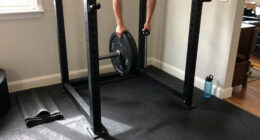
Prioritizing proper form over ego keeps your workouts safe and effective, helping you build strength steadily without risking injury. When you focus on technique, you engage muscles correctly, enhance muscle connection, and accelerate progress. Swinging weights or bouncing reps may seem like pushing harder, but it actually undermines your results and increases injury risk. If you stay committed to good form, you’ll develop better balance, confidence, and long-term gains—if you want to learn more, keep going.

Get workout gear delivered free — and shop member deals
- Fast, free delivery on millions of items
- Access to Prime Big Deal Days deals on October 6–7
- Prime Video, Amazon Music and more included
Key Takeaways
- Proper form ensures safety and reduces injury risk during workouts.
- Focusing on technique enhances muscle engagement and workout effectiveness.
- Ego-driven lifts often lead to poor form, increasing the chance of setbacks and injury.
- Consistent good form builds a strong foundation for long-term strength and progress.
- Prioritizing form over ego promotes sustainable training and better overall results.
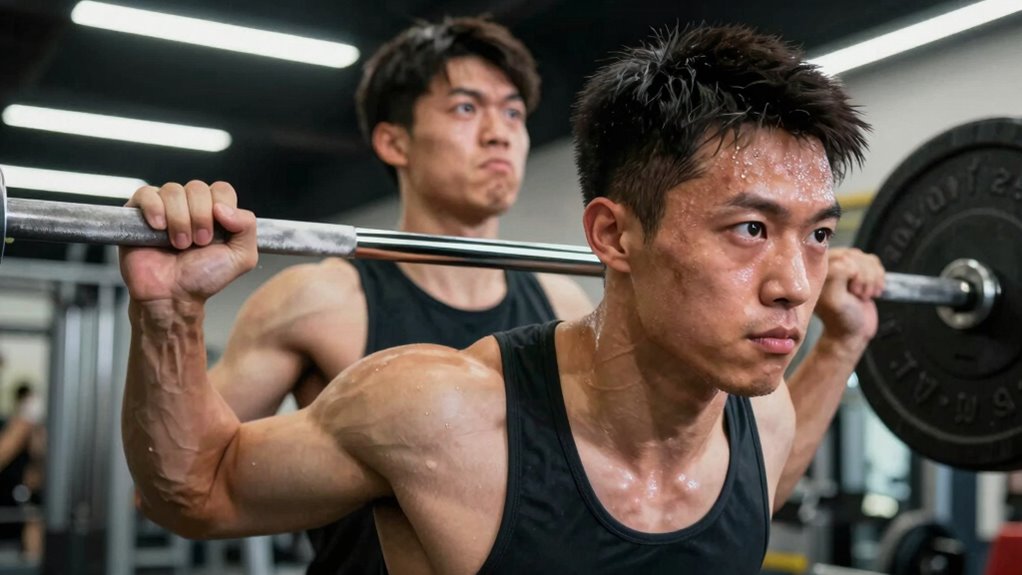
When you hit the gym, it’s easy to get caught up in impressing others or pushing your limits, but focusing on your form is vital for safe and effective training. Proper form helps you develop a stronger mind-muscle connection, allowing you to target the muscles you want to work on more effectively. When you prioritize technique over lifting heavier weights, you’re more likely to engage the right muscles, which speeds up progress and reduces the risk of injury. It’s tempting to add more plates or take shortcuts, but sacrificing form for ego can lead to setbacks that slow your overall workout consistency.
Prioritize proper form over ego to build strength safely and accelerate progress.
Ego-driven lifts often come at the expense of proper technique. You might see someone bounce through reps, swing weights, or use momentum to lift heavier. These habits might feel impressive in the moment, but they undermine your progress. When you lift improperly, your muscles aren’t working as intended, and you’re more prone to strain or injury. Meanwhile, focusing on your form ensures you’re maximizing each rep, connecting your mind to the muscle you’re targeting. This mind-muscle connection is essential because it deepens muscle engagement, making every movement more effective and helping you build strength more efficiently over time.
Maintaining workout consistency is key, and it’s much easier when you stick to good form. When your technique is solid, you can train regularly without setbacks caused by pain or injury. Poor form often leads to overtraining certain muscles or developing imbalances, which can derail your progress and make workouts less sustainable. By keeping ego in check, you’re more likely to stay consistent because your body responds better to proper training. Additionally, understanding the importance of contrast ratio in visual displays can remind us that clarity in our form leads to better results—just as high contrast enhances visual quality, proper technique enhances workout quality. Recognizing the role of muscle engagement in exercise can further emphasize how proper form maximizes muscle activation and effectiveness. Developing an awareness of movement quality can help you identify and correct flaws in your technique, further promoting safe and efficient training. Incorporating biomechanical principles into your routine can also help optimize your form for maximum benefit and injury prevention.
Furthermore, paying attention to training variables, such as tempo and range of motion, can significantly improve your ability to maintain proper form and achieve your fitness goals safely.
Ultimately, letting your ego guide your lifts might give you a fleeting sense of pride, but it’s not worth risking your health or progress. When you focus on mastering your form, you build a solid foundation for strength and muscle growth. Not only do you reduce the chance of injury, but you also develop a deeper connection with your body, making each workout more purposeful. Over time, this approach makes you stronger, more balanced, and more confident, proving that form truly beats ego every time.
As an affiliate, we earn on qualifying purchases.
Frequently Asked Questions
How Can I Tell if I’m Prioritizing Form Over Ego?
You can tell you’re prioritizing form over ego when your mindset shift focuses on safety and proper technique rather than lifting heavier at all costs. Practice humility by listening to your body and respecting your limits. If you’re comfortable dropping weight to maintain good form, it’s a sign you’re putting your long-term progress ahead of ego. This mindset helps prevent injury and guarantees steady, sustainable gains.
What Are Common Signs of Ego-Driven Training?
You often push too hard, ignoring proper spotting techniques, and choose workout wardrobe that screams “look at me” instead of focusing on form. You lift heavier than you can handle, sacrificing technique for bragging rights. You constantly seek applause, measure success by ego-boosting feats, and avoid slowing down for correction. These signs show your ego drives your training more than your genuine progress and safety.
Does Focusing on Form Reduce Workout Effectiveness?
Focusing on form actually enhances your workout effectiveness because it improves the mind-muscle connection, helping you target muscles more efficiently. It also reduces injury risk, so you can train longer and more consistently. When you prioritize proper form, you’re less likely to compromise technique for heavier weights, leading to better results over time. Ultimately, good form guarantees safer, more effective workouts that support your fitness goals.
How Can I Build Confidence Without Ego Boosting?
Imagine standing tall in the gym, your confidence rooted in progress, not ego. You can build real confidence by embracing a mindset shift, focusing on your growth rather than comparisons. Practice humility by celebrating small wins and learning from setbacks. As you prioritize technique and effort over ego boosts, you’ll develop genuine self-assurance, knowing you’re steadily improving. This genuine confidence fuels motivation and keeps your journey sustainable and rewarding.
Are There Specific Exercises Where Ego Often Takes Over?
You often see ego taking over during heavy bench presses or deadlifts, where lifting the most weight feels like a status symbol. These exercises tempt you to push beyond your limits, risking injury. Prioritize weightlifting safety by focusing on proper form, and practice workout humility. Remember, it’s better to lift lighter with good technique than risk setbacks or injuries chasing ego boosts.
Conclusion
Remember, prioritizing good form over ego is like wielding a superhero’s shield—protecting you from injury and setbacks. When you focus on proper technique, you’re not just lifting weights; you’re building a fortress of strength and resilience that no amount of ego can topple. So, stay humble, stay safe, and let your dedication to form turn you into a gym legend—because nothing beats the power of doing it right every single time.
Halloween Picks
halloween
As an affiliate, we earn on qualifying purchases.