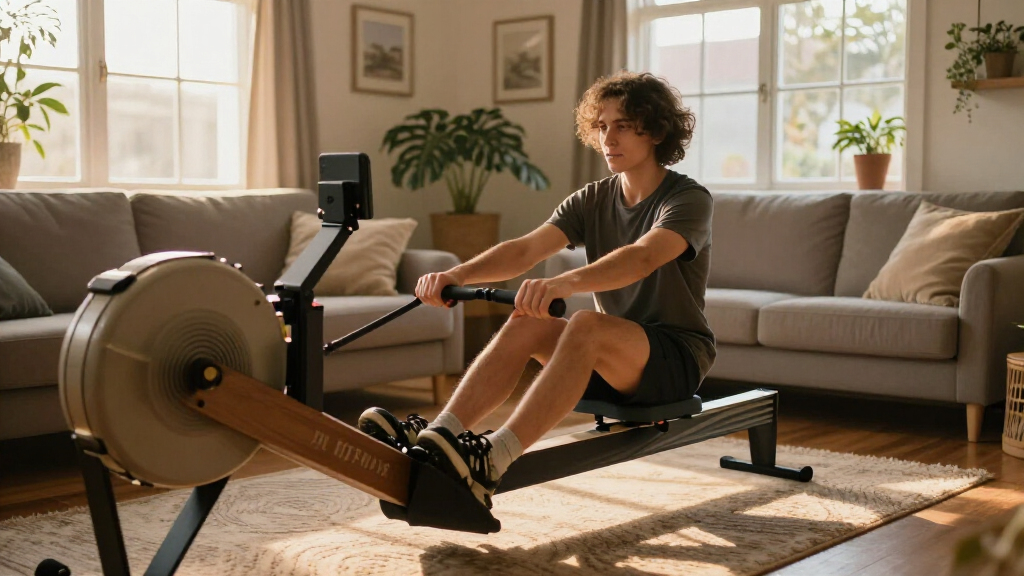

Shopping for home rowing machines means balancing three things: resistance quality, noise level, and price. The Concept2 RowErg with PM5 takes the top spot because its air resistance delivers the most realistic on-water feel and its performance monitor is the industry standard for tracking progress. Budget buyers should shortlist the YOSUDA Magnetic Rower, which offers 16 resistance levels and a quiet magnetic system at a fraction of the Concept2’s price, while apartment dwellers will appreciate how Merach’s Q1S dual-rail design keeps stroke motion smooth and silent. The main tradeoff in this category is that cheap hydraulic rowers fold small but feel jerky, while premium air rowers feel great but cost more and take up fixed floor space. Magnetic rowers sit in the middle and are the sweet spot for most homes. Keep reading for the full breakdown of all 15 machines.

Get workout gear delivered free with Prime
- Fast, free delivery on millions of items
- Prime Video, Amazon Music and more included
- Member-only deals all year
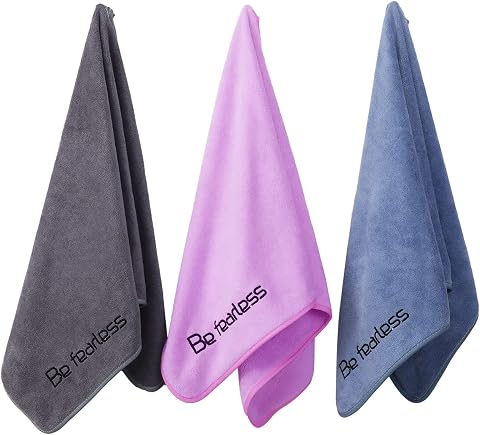
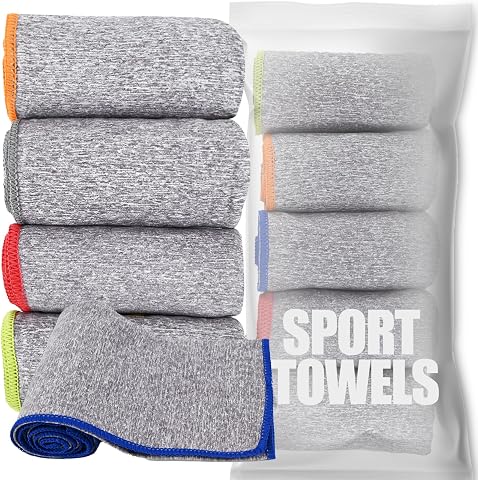
Complete the kit
Key Takeaways
- The Concept2 RowErg won best overall because no magnetic or hydraulic model in this lineup could match its air resistance feel, PM5 data accuracy, and proven long-term durability.
- At least four machines in this list (Merach Q1S appears twice, plus two YOSUDA/Wenoker entries) are near-identical rebrands, so price and warranty — not specs — should break the tie.
- Hydraulic rowers like the Sunny Compact and GYMAX are the cheapest way to start rowing, but their piston resistance degrades over time and feels less smooth than every magnetic model here.
- A 350 lbs weight capacity showed up on nearly every budget magnetic rower, making seat and rail smoothness — not capacity — the real differentiator in this price band.
- App support is now standard even under $300, but the quality varies widely: Merach and Dripex pair with real training apps, while several generic models connect to little more than a basic timer.




More Details on Our Top Picks
Magnetic Rowing Machine with 16 Resistance Levels, App Support, and 350 lbs Capacity
This rower earns its spot by pairing a 350 lbs weight capacity with a power-free design, meaning it works anywhere in the house without hunting for an outlet. Compared with the YOSUDA rower, the dual rail system here feels stable, though the 39.8-inch slide rail is noticeably shorter, so taller rowers past about 6’1″ may feel their stroke get clipped at the finish. The 16 resistance levels match what nearly every magnetic option in this roundup offers, so the real differentiator is the frame strength at this price. The tradeoff is software: unlike the Sunny Smart Magnetic Rower, there are no built-in workout programs, so guided training depends entirely on connecting an app.
Pros:- 350 lbs weight capacity, higher than most budget magnetic rowers
- Power-free operation allows placement anywhere in the home
- Quiet dual rail system keeps noise down for shared living spaces
- 16 resistance levels cover beginner through intermediate intensity
Cons:- Shortest slide rail in this lineup at 39.8 inches
- No built-in workout programs without app connection
Best for: Heavier users or budget-conscious buyers who need a sturdy 350 lbs frame without paying premium prices
Not ideal for: Tall rowers over 6’3″ — the short rail restricts full stroke length and compromises form
- Resistance Levels:16
- Weight Capacity:350 lbs
- Slide Rail Length:39.8 inches
- User Height Range:4’11” to 6’3″
- Rail Type:Dual rail
- Power:Power-free
- App Support:Yes
Our verdict“A sensible budget pick for heavier users who prioritize frame strength over long-rail comfort.”
Rowing Machine for Home with 350 LB Capacity, 16-Level Silent Magnetic Resistance, Foldable, Full-Body Workout, APP Support
Space is the deciding factor for most home buyers, and this model answers with a 2.9 sq.ft. stored footprint and a folding frame — something no other full-size rower in this batch matches. Where the YOSUDA stretches to a 50.2-inch rail and expects a permanent corner, this one tucks behind a door or into a closet between sessions. The bonus 6.5% incline adds a leg-drive element the standard magnetic rowers here don’t offer. The compromise is a 46-inch rail — longer than the budget 39.8-inch model but shorter than YOSUDA’s — and an app-first design that can frustrate first-timers who just want to row without pairing a phone first.
Pros:- Foldable design collapses to a 2.9 sq.ft. footprint for storage
- Silent magnetic resistance works for early-morning or late-night sessions
- Unique 6.5% incline feature adds training variety
- 350 lbs capacity rivals larger, non-folding competitors
Cons:- App integration adds setup complexity for beginners
- Assembly takes real effort despite instructions
- Indoor use only, and the fold mechanism adds a longevity question
Best for: Apartment dwellers and small-home owners who need to stash the machine between workouts
Not ideal for: Tech-averse beginners who want simple, app-free operation out of the box
- Capacity:350 lbs
- Resistance Levels:16
- Display:LCD monitor
- Incline:6.5%
- Frame Material:Steel
- Slide Rail Length:46 inches
- Stored Footprint:2.9 sq.ft.
- Folding:Yes
- App Support:Yes
Our verdict“The clear choice when floor space is the constraint, provided you’re comfortable with an app-driven experience.”
Sunny Health & Fitness Smart Magnetic Rower
What separates this Sunny rower from the anonymous magnetic machines crowding this category is the SunnyFit app ecosystem — real-time metrics, scenic routes, and structured training plans that give workouts direction. Compared with the Wenoker, which offers Bluetooth as a checkbox feature, Sunny builds the software into the core experience. The dual-track design keeps the stroke controlled and stable, and the 40.9-inch inseam capacity handles most average-height users. The catch is notable: there’s no built-in display, so if your phone dies mid-workout, your metrics vanish. And at a 300 lbs max user weight, it trails both 350 lbs models in this lineup, which matters for bigger athletes evaluating capacity first.
Pros:- SunnyFit app provides scenic routes, real-time metrics, and personalized plans
- Dual-track design delivers smooth, controlled strokes
- Quiet magnetic resistance works at any hour
- 45.7-inch rail with 40.9-inch inseam capacity suits most average users
Cons:- No built-in display — entirely dependent on the app for feedback
- 300 lbs weight limit is the lowest in this lineup
- 16 resistance levels may plateau for advanced rowers
Best for: Motivation-driven buyers who want structured plans, scenic routes, and progress tracking to stay consistent
Not ideal for: Users over 300 lbs or anyone who wants standalone metrics without mounting a phone every session
- Slide Rail Length:45.7 inches
- Max User Weight:300 lbs
- Resistance Levels:16
- Inseam Capacity:40.9 inches
- Frame Material:Metal
- Rail Type:Dual track
- App Compatibility:SunnyFit app
- Display:None (app-based)
Our verdict“Pick this if guided workouts and progress tracking are what keep you rowing; skip it if you need a display or higher capacity.”
Wenoker Magnetic Rowing Machine for Home, Quiet & Smooth, Full Body Workout
For buyers who want the essentials done well without paying for extras, the Wenoker hits the sweet spot: 85% pre-assembled out of the box, under 30 dB operation, an LCD monitor, a device holder, and Bluetooth app connectivity. Compared with the Sunny Smart Rower, you actually get a physical display here, so metrics don’t disappear when your phone battery does — a genuinely useful difference for no-frills users. Assembly effort is the lowest in this batch, which matters if you dread the typical two-hour build. The honest tradeoff: resistance level details are thin, so buyers pushing toward HIIT-level intensity can’t verify the top-end resistance before purchasing, unlike the clearly specified 16-level models from YOSUDA and Sunny.
Pros:- 85% pre-assembled — fastest setup in this lineup
- Sub-30 dB noise level suits apartments and shared spaces
- Built-in LCD monitor works without a phone, unlike app-only rivals
- Bluetooth connectivity and device holder add training options
Cons:- Resistance range is underspecified, creating uncertainty for serious training
- Requires a Bluetooth-capable device for app features
- Tablet not included despite the holder
Best for: First-time rower buyers who want a low-hassle setup and quiet operation at a wallet-friendly price
Not ideal for: Advanced users who need clearly specified high-end resistance for intense interval training
- Resistance Type:Magnetic
- Monitor:LCD
- Bluetooth:Yes
- Assembly:85% pre-assembled
- Noise Level:<30 dB
- Transport Wheels:Yes
- Device Holder:Yes (phones and tablets)
Our verdict“The low-risk entry point for home rowing — easy to set up, quiet, and priced for people testing the habit.”
YOSUDA Rowing Machine for Home, Magnetic Rower with 16-Level Resistance
This YOSUDA model tops the list because it solves the three problems that sink budget rowers: stroke feel, stability, and fit range. The upgraded heavy-duty flywheel (+66%) eliminates the jerky dead zones common on cheaper magnetic machines, and the 50.2-inch slide rail is the longest in this batch — a full ten inches beyond the 39.8-inch budget pick — letting users up to 6’3″ complete a proper stroke. The reinforced mono-rail frame holds 350 lbs with no flex, and sub-20 dB operation is quieter than the Wenoker’s 30 dB rating. The tradeoffs are real: it demands more floor space than the foldable 2.9 sq.ft. model, and 16 resistance levels, while versatile, still cap out below what a Concept2 RowErg offers committed athletes.
Pros:- Longest slide rail at 50.2 inches supports full strokes for users up to 6’3″
- Heavy-duty flywheel delivers smooth, realistic strokes with no dead zones
- Sub-20 dB operation is the quietest in this lineup
- Reinforced mono-rail frame rated to 350 lbs with zero flex
Cons:- No folding mechanism — permanent floor footprint
- 16 resistance levels may limit elite-level intensity training
- Eye-level screen positioning still requires a paired phone for full coaching features
Best for: Serious home trainees who want a smooth, stable, full-range rowing experience without spending Concept2 money
Not ideal for: Compact-space buyers — no folding frame means it occupies floor space permanently
- Resistance Levels:16
- Slide Rail Length:50.2 inches
- Max User Weight:350 lbs
- Max User Height:6’3″
- Frame Design:Reinforced mono-rail
- Noise Level:<20 dB
- Flywheel:Heavy-duty (+66% upgraded)
- Bluetooth:Yes
- Warranty:1 year
Our verdict“The best all-around choice for most homes — smooth, stable, quiet, and tall-user friendly, provided you have the floor space.”
Sunny Health & Fitness Compact Hydraulic Rower with 12-Level Resistance
At just 22.4 pounds, this Sunny Health & Fitness rower weighs less than half of what the Merach Q1S or Dripex machines do, and that changes who it’s for. If a single dumbbell is heavier than your cardio equipment, you’re far more likely to actually move it out and use it — which is the whole battle with home fitness. The 12 hydraulic resistance levels are serviceable for light-to-moderate training, though the piston feel is noticeably less fluid than the magnetic systems on the Merach RS3. The tradeoff is real: no app connectivity, no guided workouts, and a lighter frame that won’t inspire confidence during aggressive sessions. Compared with the GYMAX hydraulic rower, this one sacrifices raw resistance ceiling (and seat padding) in exchange for portability and a lower price. This pick makes the most sense for casual users, not committed athletes.
Pros:- Featherlight at 22.4 lbs — easy to carry and stash anywhere
- Very quiet operation works for shared spaces and early mornings
- 12 resistance levels cover a reasonable beginner-to-intermediate range
- Digital display and device holder add convenience at this price
Cons:- Hydraulic resistance feels jerky compared to magnetic or air systems
- No workout programs or app-based tracking of any kind
- Lightweight build flexes under heavier or faster strokes
Best for: Apartment dwellers, seniors, or casual exercisers who prioritize portability and quiet over advanced features
Not ideal for: Strong or tall users wanting a rowing feel close to the real thing — the hydraulic stroke and light frame will disappoint
- Resistance Levels:12 (hydraulic)
- Machine Weight:22.4 lbs
- Frame Material:Alloy steel
- Display:Digital monitor
- Extras:Device holder, adjustable foot pedals, padded seat
- Assembly:Quick and easy
Our verdict“Buy this if you want the cheapest, lightest way to row at home and don’t care about data or realism — skip it if you train seriously.”
Merach RS3 Rowing Machine for Home Gym
With resistance up to 80 lbs across 16 levels, the RS3 sits near the top of this magnetic lineup for raw challenge. Most budget magnetic rowers, including the Dripex and YOSUDA models, top out at a ceiling that strong rowers outgrow within months; the RS3 keeps delivering resistance as your pull gets more powerful. The 350 lb weight capacity and 6’4″ height limit also make it more accommodating than the GYMAX, which stops at 265 lbs. The catch: the app-driven features demand a Bluetooth connection to unlock their full value, and the multi-mode interface assumes you already know what a good stroke feels like. A complete beginner would be better served by the simpler Dripex or the Sunny magnetic rower before graduating here. This option stands out for intermediate-to-advanced users building a home training habit around measurable progress.
Pros:- 80 lbs of maximum resistance challenges fit, experienced rowers
- Multiple rowing modes plus Bluetooth metrics for structured training
- 350 lb capacity and 6’4″ height support fit larger users
- Arrives largely pre-assembled for quick setup
Cons:- Full feature set depends on a Bluetooth connection to the app
- More complex interface than entry-level magnetic rowers
- 16 resistance levels is fine but not granular at the top end
Best for: Intermediate and advanced rowers who need higher resistance ceilings and detailed performance metrics
Not ideal for: Rowing newcomers — the multi-mode system and app dependence add friction to the learning curve
- Resistance:Magnetic, up to 80 lbs
- Adjustable Levels:16
- Max User Height:6’4″
- Weight Capacity:350 lbs
- Dimensions:60.6L x 29.5W x 28.3H inches
- Connectivity:Bluetooth
Our verdict“The strongest pull resistance in this batch makes it the pick for trained rowers — beginners should start simpler and cheaper.”
Merach Q1S Magnetic Rowing Machine Indoor, Dual Slide Rail, Quiet & Smooth
The Q1S earns its spot by pairing electromagnetic resistance with genuinely useful app-guided training — a combination the Sunny hydraulic rower can’t touch and the Dripex only partially matches. Electromagnetic control means resistance adjusts electronically rather than through a manual dial, which unlocks interval workouts where the machine changes intensity for you. The dual slide rail design adds lateral stability that single-rail budget rowers wobble without, and the fold-down storage footprint (1.6 x 2.1 feet) keeps a spare corner usable. Assembly in about 30 minutes is reasonable, though less patient buyers may find the dual-rail setup fussier than the Dripex. Compared with its sibling, the Merach RS3, the Q1S trades peak resistance for structure — it’s less about raw power and more about following coached sessions. That framing matters: this model is better suited to people who want to be told what to do.
Pros:- Electromagnetic resistance enables app-controlled interval training
- Dual slide rails deliver noticeably more stability than single-rail designs
- Compact folded footprint of roughly 1.6 x 2.1 feet
- Runs quiet enough for apartments
Cons:- App dependency means limited appeal without a smartphone
- Dual-rail assembly takes around 30 minutes and some patience
Best for: Motivation-driven users who want app-coached structured workouts and a stable, quiet machine
Not ideal for: Data-averse buyers — without the app, you lose the guided workouts that justify choosing this over cheaper magnetic options
- Resistance:Electromagnetic, 16 levels
- Max User Weight:350 lbs
- Assembly Time:About 30 minutes
- Dimensions (Use):1.6 x 5.7 feet
- Dimensions (Storage):1.6 x 2.1 feet
- Smart Features:App compatibility with guided workouts
Our verdict“The best choice if coached, app-led rowing sessions are what will keep you consistent — pick something cheaper if you’d never open the app.”
GYMAX Rowing Machine for Home, Hydraulic Rower with LCD Monitor, Adjustable Resistance up to 110 lbs, Large Cushioned Seat
Among the hydraulic options here, the GYMAX distinguishes itself on two fronts: a large cushioned seat and a steel frame rated to 265 lbs. Compared with the Sunny Health & Fitness compact rower, this is the sturdier, more comfortable machine — the padded seat matters more than you’d expect once sessions pass 20 minutes. Its headline 110 lbs of adjustable resistance sounds impressive on paper, but hydraulic ratings don’t translate directly to magnetic-machine equivalents; the feel remains piston-like rather than the smooth glide of the Merach Q1S. The bigger practical drawback is storage: unlike the foldable Q1S or the 22-pound Sunny, the GYMAX sits fully assembled in your room. Setup, though, is refreshingly simple with clear instructions. This pick makes the most sense for buyers who want a comfortable, no-app, plug-and-pull machine without paying for magnetic smoothness they may not miss.
Pros:- Large cushioned seat outclasses typical budget rower padding
- Solid steel frame with anti-skid pads stays planted during workouts
- Straightforward setup with clear instructions
- Generous hydraulic resistance range for the price
Cons:- No foldable design means it can’t be tucked away compactly
- Hydraulic stroke feel lags well behind magnetic machines like the Q1S
- 265 lb weight cap trails the 350 lb ratings of Merach and Dripex models
Best for: Budget buyers who value a comfortable seat and sturdy steel frame over smart features and foldability
Not ideal for: Small-space users — the non-folding frame takes up permanent floor real estate
- Resistance:Hydraulic, up to 110 lbs
- Max User Weight:265 lbs
- Seat:Large cushioned
- Monitor:LCD display
- Frame Material:Steel
- Stability:Anti-skid pads
Our verdict“A comfort-first budget rower for people with the floor space to keep it out — skip it if storage flexibility matters more than seat padding.”
Dripex Upgraded Magnetic Rowing Machine for Home
The Dripex strikes the balance point this roundup keeps circling: magnetic smoothness, simple operation, and a 360 lb weight capacity — all without the app complexity of the Merach models. Its sub-15-decibel operation is quiet enough for a nursery-adjacent workout, and the 48.8-inch slide length accommodates most inseams comfortably. Where the Merach RS3 asks you to learn multiple rowing modes and the Q1S nudges you into its app ecosystem, the Dripex just works: set a resistance level, row, check the Bluetooth-tracked stats if you feel like it. Compared with the Wenoker and YOSUDA magnetic rowers, the dual slide design adds the same stability benefit those single-rail rivals lack. The downsides are modest but real — assembly takes genuine effort, and resistance tops out at a ceiling strong beginners will eventually outgrow. This model is better suited to someone starting a fitness habit than someone chasing PRs.
Pros:- Below 15 dB operation — among the quietest in this lineup
- 360 lb weight capacity exceeds most similarly priced rivals
- Dual slide design keeps the stroke stable and safe for new users
- Bluetooth tracking available without being required
Cons:- Assembly takes real time and effort despite the ‘easy’ claims
- Resistance ceiling will eventually limit very fit users
- 48.8-inch rail may still be tight for users over about 6’3″
Best for: Beginners who want a stable, quiet, straightforward magnetic rower with no learning curve
Not ideal for: Advanced rowers who will outgrow the resistance ceiling and want richer training structure
- Resistance Levels:16 (magnetic)
- Flywheel Weight:12 lbs
- Max User Weight:360 lbs
- Slide Length:48.8 inches
- Noise Level:Below 15 decibels
- Connectivity:Bluetooth
Our verdict“The easiest magnetic rower to live with as a first machine — upgrade to the Merach RS3 later if you outgrow it.”
Concept2 RowErg Indoor Rowing Machine with PM5 Monitor
This is the machine every other rower in this lineup is measured against. The air resistance system responds automatically to how hard you pull, which means no fiddling with manual dials mid-workout — a genuine difference from the preset magnetic levels on the Merach Q1S or YOSUDA. The PM5 monitor is the gold standard for accuracy, and it’s the reason competitive rowers and CrossFit boxes standardize on this model. The 500-pound capacity also dwarfs the 350-pound ceiling shared by most budget magnetic rowers here. The tradeoffs are real: it’s louder than any magnetic option, and it demands a 9×4 foot workout zone, so apartment dwellers may find the Wenoker or Merach more practical.
Pros:- Air resistance adjusts naturally to effort without manual settings
- PM5 monitor delivers the most accurate workout data in the category
- 500-pound user capacity far exceeds typical budget rowers
- Bluetooth and ANT+ connectivity for apps and heart rate monitors
Cons:- Louder operation than magnetic alternatives like the Wenoker or YOSUDA
- Requires a full 9×4 feet of clear floor space
- PM5 monitor runs on D cell batteries that need occasional replacement
Best for: Serious trainees and families who want competition-grade accuracy, durability, and a 500-pound capacity that will hold up for decades
Not ideal for: Apartment dwellers or anyone with tight space — the 9×4 foot footprint and audible air fan make it a poor fit for shared living situations
- Resistance Type:Air
- Monitor:Performance Monitor 5 (PM5)
- User Capacity:500 pounds
- Seat Height:14 inches
- Construction:Aluminum front legs, steel rear legs
- Connectivity:Bluetooth and ANT+
- Recommended Space:9 x 4 feet
- Power:Two D cell batteries, power from flywheel
Our verdict“If accuracy, durability, and long-term performance matter more than silence or compactness, this is the rower to buy once and keep forever.”
Sunny Health & Fitness Smart Full Motion Rower
Most rowers here — the YOSUDA, Wenoker, and Merach Q1S included — lock your hands to a single fixed handle. This model’s 360-degree motion arms change the exercise entirely: you can row independently with each arm, mimic swimming pulls, and hit shoulder and chest angles a standard bar simply cannot reach. That makes it less a pure cardio rower and more a hybrid strength-and-cardio station. The 400-pound weight capacity beats every magnetic model in this guide. What you give up is data and connectivity — the basic digital monitor and app simulation don’t approach the Concept2’s PM5, and there’s no Bluetooth for third-party apps or heart rate straps.
Pros:- 360-degree motion arms enable independent-arm and multi-angle strength movements
- 400-pound weight capacity exceeds most magnetic competitors
- 12 adjustable resistance levels suit a range of fitness levels
- Large anti-slip foot pedals with adjustable straps fit all shoe sizes
Cons:- No Bluetooth or advanced connectivity for third-party apps or heart rate monitors
- Not a realistic sweep-rowing simulation compared to fixed-handle rowers
- Assembly instructions are not clearly documented
Best for: Buyers who want upper-body strength variety and independent-arm movement alongside cardio, especially heavier users up to 400 pounds
Not ideal for: Data-driven trainers who live by split times and app metrics — the monitor and connectivity lag far behind the Concept2 or Merach
- Weight Capacity:400 lbs
- Resistance Levels:12
- Motion Type:360-degree full motion arms
- Monitor Features:Stroke rate, time, count, calories, total strokes
- Foot Pedals:Large anti-slip with adjustable straps
- App:SunnyFit app rowing simulation
Our verdict“Choose this if you want a rower that doubles as a full upper-body strength machine rather than a pure cardio tool.”
Merach Q1S Magnetic Rowing Machine Indoor, Dual Slide Rail, Quiet & Smooth
The standout feature here is the dual slide rail design, which addresses a common complaint about single-rail budget rowers: wobbling during hard drives. Compared with the Wenoker and YOSUDA, both single-rail machines at the same 350-pound capacity, this layout feels planted even during aggressive strokes. Storage numbers are also strong — the rail folds down to a 1.6 x 2.1 foot footprint, tighter than most. The magnetic flywheel stays quiet enough for apartment use, and app integration adds guided workouts the Sunny Full Motion Rower lacks. The ceiling for taller users is 6’5″, which comfortably beats the YOSUDA’s 5’11” limit, though the 42-pound machine still requires around 30 minutes of assembly.
Pros:- Dual slide rails prevent the side-to-side wobble common on single-rail rowers
- Accommodates users up to 6’5″, taller than most budget magnetic rowers
- Folds to roughly 1.6 x 2.1 feet for storage
- Quiet magnetic resistance with app-guided workouts
Cons:- Phone or tablet not included and required for full tracking features
- Assembly can take up to 30 minutes
- 350-pound capacity is lower than the Concept2 or Sunny Full Motion Rower
Best for: Taller or heavier-set buyers (up to 6’5″ and 350 pounds) who want a wobble-free stroke and small-apartment storage
Not ideal for: Data purists — there’s no advanced monitor here, and you’ll need to supply your own phone or tablet for app-based tracking
- Dimensions:65L x 19.3W x 24.8H inches
- Product Weight:42 pounds
- Maximum User Weight:350 pounds
- Height Fit:Up to 6’5″
- Space for Use:1.6 x 5.7 feet
- Space for Storage:1.6 x 2.1 feet
- Design:Dual slide rail
Our verdict“This pick makes the most sense for taller rowers in small spaces who refuse to put up with a shaky rail.”
Wenoker Magnetic Rowing Machine for Home, Quiet & Smooth Full Body Workout
If the defining constraint is a shared living space, this model’s sub-30 dB operation is the quietest claim in the batch, edging out even the YOSUDA and Merach for early-morning or late-night sessions. Its 16 resistance levels match the YOSUDA’s range, and the vertical storage mode shrinks the footprint to 3.1 square feet — genuinely useful if you’re rowing in a studio apartment. Compared with the Concept2 RowErg, the compromises are obvious: magnetic resistance tops out lower than air resistance, and there’s no comparable monitor. The 20-minute assembly is quicker than the Merach Q1S’s 30, though the 39-inch slide rail means very tall users should check their leg fit before buying.
Pros:- Under 30 dB noise level, quietest claim among these rowers
- Vertical storage collapses the footprint to 3.1 square feet
- 16 resistance levels match more expensive magnetic competitors
- 20-minute assembly is faster than the Merach Q1S
Cons:- 39-inch slide rail may be short for users over six feet
- App features are thinly documented
- Warranty coverage beyond one year is unclear
Best for: Apartment and shared-space users who need near-silent operation and vertical storage on a budget
Not ideal for: Tall or advanced rowers — the 39-inch slide rail limits stroke length, and magnetic resistance won’t challenge serious trainers like the Concept2’s air system
- Resistance Levels:16
- Max User Weight:350 lbs
- Noise Level:Less than 30 dB
- Slide Rail Length:39 inches
- Storage Footprint:Vertical, 3.1 sq.ft
- Assembly Time:20 minutes
- App Compatibility:Yes
Our verdict“For silence and storage on a budget, this is the smartest pick — just verify the rail length fits your legs.”
YOSUDA Rowing Machine for Home, Magnetic Rower with 16-Level Resistance
For a first rower, this model gets the fundamentals right without overwhelming the buyer. The 16-level magnetic resistance gives newcomers a gentle starting point and room to progress, while the smart app’s guided training teaches proper form — something the bare-bones Sunny Full Motion Rower doesn’t offer. The claim of engaging over 85% of muscles reflects the full-chain rowing motion, and the quiet magnetic drive keeps apartment use realistic. The catch compared with the Merach Q1S: the stated height range tops out at 5’11”, which excludes a large share of men from a full-length stroke. The Wenoker undercuts it slightly on noise, but the YOSUDA counters with a more established app ecosystem and broader height minimum for shorter users at 4’5″.
Pros:- Guided app training helps beginners learn technique from day one
- 16 resistance levels provide a wide progression path from easy to challenging
- Quiet magnetic resistance suits apartments and shared rooms
- Accommodates shorter users from 4’5″, lower than most competitors
Cons:- Height limit of 5’11” excludes many taller rowers
- Assembly takes around 25 minutes
- Still requires dedicated floor space during workouts
Best for: Fitness newcomers and shorter users (4’5″ to 5’11”) who want guided app workouts and a gentle learning curve
Not ideal for: Anyone over 5’11” — the short rail prevents a complete leg drive, making the Merach Q1S the better fit
- Resistance Levels:16
- Load Capacity:350 pounds
- Dimensions:59 x 19 x 25 inches
- Suitable User Height:4’5″ to 5’11”
- Resistance Type:Magnetic
- App Connectivity:Yes
Our verdict“A confident first rower for shorter beginners who want coaching built in — taller buyers should step up to the Merach Q1S.”
How We Picked
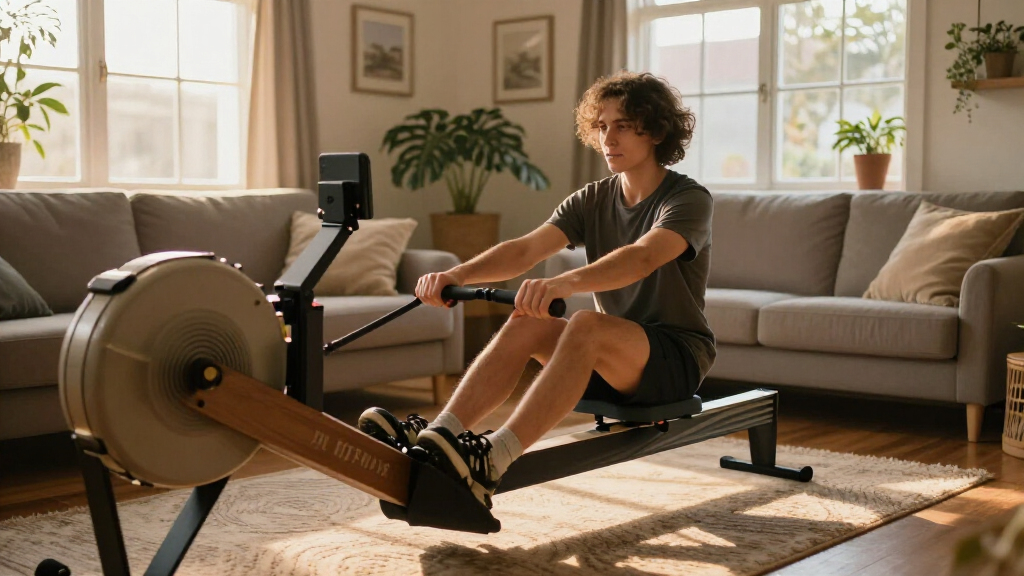
I evaluated each machine against the factors that actually determine long-term satisfaction: resistance quality and range (whether the top level challenges a fit rower and the bottom level suits a beginner), noise and smoothness (can you row while someone sleeps nearby?), build quality and weight capacity, storage footprint, and value relative to peers. Because several products in this roundup are near-duplicates sold under different names, I also compared warranties, app ecosystems, and monitor quality to separate them where specs alone could not.
The ranking logic is straightforward: the Concept2 RowErg leads because it is the only machine here with competition-grade air resistance and a proven track record in gyms. Below it, magnetic rowers from YOSUDA, Dripex, Merach, and Wenoker are ordered by stroke smoothness, resistance consistency, and included tech. Hydraulic models rank lower because piston resistance ages poorly, and duplicate listings were consolidated by whichever offers the better price or support at time of writing.
Factors to Consider When Choosing Home Rowing Machines
Before picking a specific machine, it helps to understand how resistance type, size, and monitoring shape the rowing experience. These are the factors that separated the winners from the rest in this comparison.Resistance Type Is the Biggest Decision
Every rower in this roundup uses magnetic, hydraulic, or air resistance, and the differences are bigger than the spec sheets suggest. Magnetic resistance is nearly silent and consistent at every stroke rate, which is why it dominates the budget and mid-range picks here — ideal for apartments and early-morning sessions. Hydraulic pistons cost the least and fold up small, but the resistance often feels uneven at the start of the stroke and pistons can lose tension within a couple of years of regular use. Air resistance, used only by the Concept2 RowErg in this group, responds automatically to how hard you pull, giving the closest feel to rowing on water — the tradeoff is noise and a higher price. My advice: if you row mainly for general fitness in a shared living space, magnetic is the practical choice. If you might get serious about pace, splits, or virtual racing, air resistance pays for itself.
Check the Slide Rail Length, Not Just Weight Capacity
Weight capacity gets all the marketing attention, but rail length is the spec that actually decides whether a machine fits your body. Rowers with a short inseam range force taller users to compress their legs before the catch, which ruins stroke mechanics and can strain the knees. Anyone over about 6’2″ should verify the rail accommodates their full leg extension before buying — the Concept2 RowErg and most 350 lbs-class magnetic rowers handle tall users, but compact and hydraulic models sometimes cut the rail short to save space. A common mistake is buying a folding rower for a small room without checking that it still fits unfolded during use; most need seven to eight feet of clear length while in operation. Also look at seat height: standard rail-height rowers are harder to stand up from, which matters for older users or anyone with knee or hip issues.
Beware of Duplicate Machines and Inflated Specs
This roundup itself proves how common rebranding is: the Merach Q1S appears twice, and the YOSUDA and Wenoker entries are functionally the same machine listed separately. That pattern repeats across the entire budget rower market, where a handful of factories sell the same frame under many brand names. When two machines have matching specs, compare warranty terms, customer support responsiveness, and replacement-part availability instead of the feature list, because that is where the real differences hide. Another red flag is resistance measured in vague “levels” rather than force — 16 levels means nothing if level 16 feels like level 8 on a better machine. Reviews that mention resistance fading, squeaking rails, or cracked footplates after a few months usually point to the underlying factory quality, not the brand sticker.
Monitors and Apps Matter More Than You Expect
The monitor is what keeps most people rowing past week three, and quality varies enormously at the budget end. A basic LCD that shows only time and count gives you no sense of progress, while Bluetooth-connected monitors that feed apps let you follow structured workouts, log distance, and race others online. The Concept2 PM5 sets the standard — it calculates watts and pace from flywheel physics rather than estimates, which is why its numbers are comparable across machines worldwide. Among budget picks, Merach and Dripex pair with genuinely useful training apps, while some generic rowers advertise “APP support” that amounts to little more than a stopwatch mirror on your phone. If motivation through data matters to you, weigh the monitor heavily; if you just want to move for 20 minutes, save the money.
Budget Realistically: Where the Price Tiers Break
The home rower market splits into three clear tiers. Under $200, hydraulic models like the Sunny Compact and GYMAX get you rowing cheaply, but expect a less smooth stroke and a shorter lifespan — fine for testing whether you’ll stick with the habit. The $200–$400 magnetic tier is where most buyers should land: machines here are quiet, sturdy, and smooth enough for years of regular use, which is why most of my recommendations come from this band. Above $900, the Concept2 RowErg is really the only option in this lineup, and you are paying for durability and data accuracy rather than comfort features. A common mistake is buying the cheapest machine, having a mediocre experience, and concluding rowing isn’t for you — spending an extra $100 on a decent magnetic rower often makes the difference between a clothes rack and a habit.
Plan for Maintenance and Floor Protection
Rowing machines are low-maintenance, but not zero-maintenance, and the type you buy changes the upkeep. Magnetic rowers occasionally need rail cleaning and lubrication to keep the seat gliding quietly, and loose bolts should be checked monthly because rowing vibrations work hardware loose over time. Air rowers like the Concept2 collect dust in the flywheel cage and need periodic vacuuming to keep resistance readings accurate. Hydraulic models are the wildcard: pistons are sealed, so when they wear out, replacement is the only fix, and parts for off-brand models can be hard to source. Regardless of type, put a rubber mat under any rower — it protects flooring, dampens vibration for downstairs neighbors, and keeps the machine from creeping across hardwood during hard sessions.
Frequently Asked Questions
Is a magnetic rowing machine good enough, or do I need the Concept2?
For most home users, a quality magnetic rower like the YOSUDA or Dripex is genuinely good enough. Magnetic resistance is quieter, the machines cost a third of the Concept2 RowErg, and for general cardio and strength building the training effect is comparable. The Concept2 pulls ahead in three situations: you want accurate, comparable performance data because its PM5 measures real watts; you row hard enough to outgrow fixed resistance levels; or you plan to participate in virtual racing where Concept2 is the standard. If none of those apply, save the money and invest in a comfortable mat and a fan instead — the rowing itself is what delivers results, not the brand.
How much space do I need for a home rowing machine?
Budget for roughly eight feet of length by three feet of width while the machine is in use, which applies to nearly every full-size model in this roundup including the Concept2. Foldable magnetic rowers shrink to about half that footprint when stored, and hydraulic models like the GYMAX and Sunny Compact are the most compact overall since their arms fold down flat. One mistake I see often is measuring only the folded size for a tight room and forgetting that you need full clearance during workouts, plus space to safely step over the rail when mounting. Ceiling height is rarely an issue since you sit low, but leave enough room behind the rail for your full leg extension plus a few inches. If even a folded rower won’t fit, that is when compact hydraulic models earn their spot despite their other compromises.
Why do several machines in this list look identical?
Because they likely are identical. The budget rower market runs on factory rebranding — a manufacturer builds a machine and sells it to multiple brands that add their logo, minor cosmetic changes, and sometimes different app support. In this roundup, the Merach Q1S appears as two separate listings, and the YOSUDA and Wenoker magnetic rowers share the same core design. This matters because paying more for a rebrand of the same frame buys you nothing unless the higher price includes a longer warranty or better customer support. When comparing lookalike machines, check who handles warranty claims, how available replacement parts are, and whether the connected app is actually maintained — those are the only real differences.
Can a cheap rowing machine actually give me a good workout?
Yes, as long as the resistance goes high enough for your fitness level and the stroke feels smooth enough to sustain. Rowing is self-scaling — the harder you pull and the faster you drive with your legs, the more work you do — so even modest machines can elevate your heart rate effectively. The real risk with cheap rowers is comfort and durability rather than workout quality: jerky resistance, an uncomfortable seat, or a wobbly frame can make you dread sessions and quit. Machines like the Sunny hydraulic rower work fine for light cardio a few times a week, but if you plan to row daily or do interval training, the smoother magnetic models around $250–$350 will hold up better and feel far better at high intensity.
What weight capacity should I look for?
Most of the magnetic rowers in this roundup support 350 lbs, which comfortably covers the large majority of users, while the GYMAX hydraulic model caps at 265 lbs. Rather than chasing the highest number, treat capacity as a proxy for overall frame sturdiness — a machine rated well above your weight will flex less and last longer under daily use. If you are close to a machine’s limit, skip it entirely, because running near max capacity accelerates wear on the seat rollers, rail, and frame joints. For heavier users, the Concept2 RowErg at 500 lbs is the safest structural choice, though most 350 lbs-rated magnetic models with steel rails handle everyday training without issue. Also check the seat width if that matters for your comfort, since capacity ratings say nothing about it.
Conclusion
After comparing all 15 machines, the right choice comes down to who you are as a rower. Best overall goes to the Concept2 RowErg — it is the only machine here with air resistance, accurate PM5 metrics, and a durability record measured in decades, making it worth the premium for anyone serious about the sport. Best value is the YOSUDA Magnetic Rower, which delivers quiet 16-level resistance and app connectivity at a price that undercuts nearly every comparable machine. Best for beginners is the Dripex Upgraded Magnetic Rower, thanks to its forgiving magnetic resistance and straightforward setup, though the Wenoker offers a very similar experience if the price is better on any given day. For tight spaces and tight budgets, the Sunny Health & Fitness Compact Hydraulic Rower is the pick, with the GYMAX as an alternative if you want a larger cushioned seat — just accept the smoother-stroke tradeoff. Apartment dwellers who want quiet operation with a bit more polish should look at the Merach RS3 or Q1S dual-rail models. Whatever you choose, buy the resistance type that matches your space and ambitions, not just the lowest price tag — that single decision determines whether the machine becomes a habit or a coat rack.
Halloween Picks
halloween
As an affiliate, we earn on qualifying purchases.