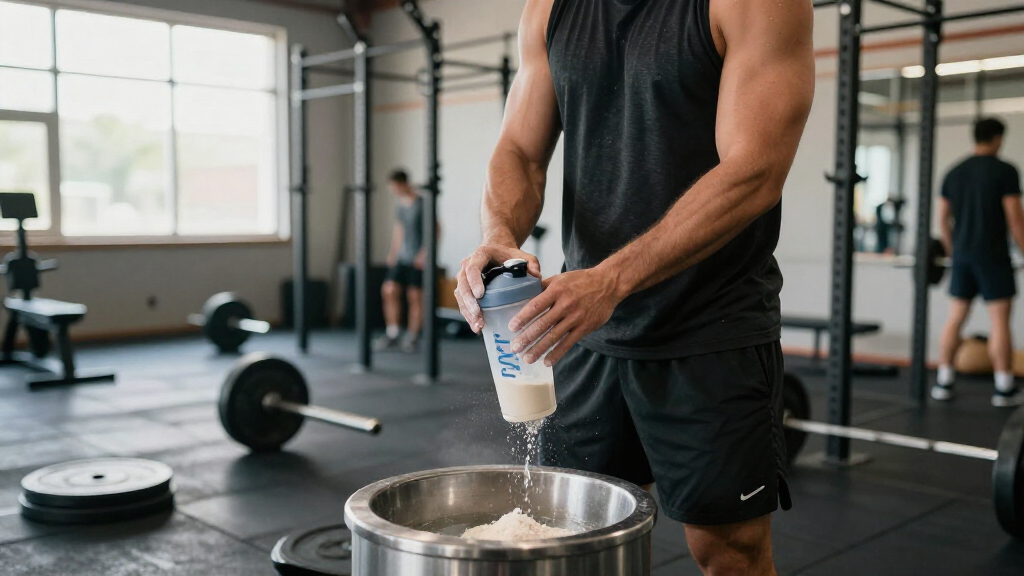

Finding the best creatine supplement comes down to a few straightforward choices: monohydrate versus newer forms like HCl, powder versus capsules, and pure single-ingredient products versus blended formulas. My top overall pick is Optimum Nutrition Creatine Monohydrate Powder, which delivers 120 servings of micronized, third-party-tested monohydrate at a cost per serving that is hard to beat. For buyers who hate mixing powders, Sports Research Creatine Monohydrate Capsules offer the same 5 g dose in convenient pill form, while Transparent Labs Creatine HMB stands out if you want a performance blend backed by added HMB. The main tradeoff in this category is between simplicity and convenience: plain monohydrate powders are the cheapest and best-studied, but capsules and multi-ingredient blends cost more per gram. Read on for the full breakdown of all 15 products.

Get workout gear delivered free with Prime
- Fast, free delivery on millions of items
- Prime Video, Amazon Music and more included
- Member-only deals all year
Complete the kit


Key Takeaways
- Plain micronized creatine monohydrate powder dominated the top of this comparison because it offers the lowest cost per 5 g serving and the strongest clinical backing — Optimum Nutrition and Nutricost powders both deliver over 100 servings per container.
- Capsules were the clear winner for convenience but the clear loser on value: Nutricost‘s 500-capsule bottle was the only capsule option whose per-serving cost came close to bulk powders.
- The Clean Nutra women’s blend was the most differentiated product in the lineup, but its creatine dose per scoop is diluted across a long ingredient list, so it suits wellness-focused buyers rather than strength-focused ones.
- Newer creatine forms (HCl in CON-CRET, HMB in Transparent Labs) cost meaningfully more per gram than monohydrate without stronger evidence, making them niche picks for people who experienced bloating with monohydrate.
- Micronization was the single most practical feature difference among powders — finer particles mixed cleaner and caused less grit at the bottom of the shaker than standard-grade options.


| creatine supplement | Form | Creatine per Serving |
|---|---|---|
| Clean Nutra Creatine for Women | Powder | — |
| Optimum Nutrition Creatine Mon | Micronized powder | 5 g |
| Sports Research Creatine Monoh | — | 5 g |
| Optimum Nutrition Micronized C | Capsules | 2.5 g |
| Thorne Micronized Creatine Mon | Micronized powder | — |
| Nutricost Micronized Creatine | Micronized capsules | — |
| Life Extension Creatine Monohy | Capsules | — |
| Transparent Labs Creatine HMB | — | — |
| CON-CRET Creatine HCl Capsules | Capsules | — |
| Nutricost Micronized Creatine | — | — |
| Orgain Creatine Monohydrate Mi | Micronized Powder | 5 g |
| Optimum Nutrition Creatine Mon | Powder | 5 g |
| Optimum Nutrition Micronized C | Capsules | 2.5 g |
| Nutricost Creatine Monohydrate | Micronized Powder | 5 g |
| Force Factor Micronized Creati | Micronized Powder | 5 g |
More Details on Our Top Picks
Clean Nutra Creatine for Women Powder
Clean Nutra takes a completely different approach from pure monohydrate products like Optimum Nutrition’s powder. Instead of a single ingredient, one scoop stacks creatine with BCAAs, collagen, myo-inositol, D-chiro inositol, biotin, and digestive enzymes — a bundle aimed at women who want workout support and hair, skin, and nail nutrients in a single scoop rather than a shelf full of bottles.
The tradeoff is real, though. Blended formulas mean you can’t verify the exact creatine dose against the 3–5 g research standard as cleanly, and anyone already taking a multivitamin or collagen supplement risks doubling up on ingredients like biotin and zinc. Compared with Thorne’s single-ingredient powder, this is convenience and flavor over purity and third-party certification — there’s no banned-substance testing here.
Pros:- Combines creatine with BCAAs, collagen, inositol, and digestive enzymes in one scoop
- Includes women-specific ingredients like myo-inositol, D-chiro inositol, and folate
- Biotin, hyaluronic acid, and collagen support skin, hair, and nails alongside training
- Tropical orange flavor makes it easier to drink daily than unflavored powders
Cons:- Long ingredient list increases risk of overlap with other supplements and sensitivities
- No third-party or banned-substance certification
- Contains collagen, which rules out certain dietary preferences
Best for: Women who want creatine plus beauty, hormone-support, and recovery ingredients in one flavored daily scoop
Not ideal for: Competitive athletes or supplement stackers who need a certified, precisely dosed creatine monohydrate and already take other vitamins
- Form:Powder
- Flavor:Tropical Orange
- Serving Size:1 scoop
- Key Ingredients:Creatine monohydrate, BCAAs, collagen peptides, myo-inositol, D-chiro inositol, biotin, hyaluronic acid, folate, L-glutamine, vitamin D3, iron, zinc, maca, digestive enzymes
- Biotin:10,000 mcg
- Zinc:11 mg
- Intended Use:Pre- and post-workout support
- Target Audience:Women
Our verdict“Buy this if you want a one-scoop women’s wellness formula built around creatine — skip it if you want a pure, certified monohydrate.”
Optimum Nutrition Creatine Monohydrate Powder, 120 Servings
This is the pick I’d point most buyers toward first. You get the research-backed 5 g dose of micronized creatine monohydrate per serving, 120 servings per container, and Informed Choice banned-substance testing — a combination of dose accuracy, longevity, and certification that’s hard to beat in this lineup.
Compared with Thorne’s powder, Optimum Nutrition delivers the same single-ingredient purity with a larger serving count, though Thorne’s NSF Certified for Sport badge carries slightly deeper clout in pro-sports circles. Against Sports Research’s capsules, this powder wins on cost-per-serving flexibility but loses on convenience — you’ll need a shaker and a liquid you don’t mind mixing unflavored creatine into.
The honest tradeoff: results depend entirely on consistent daily use alongside real training, and micronized or not, plain monohydrate never fully dissolves.
Pros:- Full research-standard 5 g dose per serving
- 120 servings per container for long-term use
- Informed Choice banned-substance tested
- Micronized powder mixes into any shake without changing flavor
Cons:- Unflavored powder still settles and can feel gritty in plain water
- Requires daily consistency to see benefits
- No added ingredients for those wanting an all-in-one formula
Best for: Most lifters and strength athletes who want a certified, correctly dosed creatine that lasts months
Not ideal for: People who hate mixing powders or won’t commit to a daily unflavored scoop — capsules suit them better
- Creatine per Serving:5 g
- Servings:120
- Form:Micronized powder
- Flavor:Unflavored
- Testing:Informed Choice banned-substance tested
- Ingredient:Creatine monohydrate
Our verdict“The safest default choice in the roundup: pure, tested, correctly dosed creatine at scale.”
Sports Research Creatine Monohydrate Capsules, 120 Count
Sports Research solves the mixing problem without sacrificing dose: four capsules deliver the full 5 g of creatine monohydrate, and the product carries Informed Sport testing plus Non-GMO Project Verification — a certification stack few capsule options can match.
Unlike Optimum Nutrition’s capsules, which only supply 2.5 g per two-capsule serving, this one hits the standard daily dose without needing to double up servings. The catch is swallowing four capsules at once, which some users find uncomfortable — and at 120 capsules total, the container runs out in 30 days, while Optimum Nutrition’s 120-serving powder stretches four times longer.
This pick makes the most sense for tested athletes and travelers who prioritize verification and grab-and-go convenience over cost-per-serving.
Pros:- Full 5 g dose per serving unlike lower-dose capsule competitors
- Informed Sport Tested and third-party tested
- Non-GMO Project Verified
- Free from soy, gluten, and artificial ingredients
Cons:- Four capsules per serving is a lot to swallow
- Only 30 servings per container, so cost per serving is high versus powders
- Capsules take up more bag space than a small powder tub
Best for: Drug-tested athletes and frequent travelers who want a certified full 5 g dose in swallowable form
Not ideal for: Budget-focused users or anyone uncomfortable swallowing four large capsules daily
- Serving Size:4 capsules
- Creatine per Serving:5 g
- Count:120 capsules
- Testing:Informed Sport Tested, third-party tested
- Certifications:Non-GMO Project Verified
- Free From:Soy, gluten, artificial ingredients
- Ingredient:Creatine monohydrate
Our verdict“The strongest capsule choice here if certification and a true 5 g dose matter more than value.”
Optimum Nutrition Micronized Creatine Monohydrate Capsules, 100 Count
This option stands out for low-commitment entry into creatine. Two capsules, no mixing, no measuring, no gritty shaker to wash — the easiest possible on-ramp for someone curious about creatine but not ready to build a supplement routine around it.
The tradeoff is dose: at 2.5 g per serving, you’re below the 3–5 g research standard, so you’re either accepting a lighter dose or taking two servings (four capsules) to match what Sports Research delivers in one serving. Compared with Optimum Nutrition’s own powder, the capsules trade cost-efficiency and precise dosing for sheer convenience.
For a beginner testing tolerance or someone who only trains a few times a week, the smaller dose and effortless format are reasonable; serious strength athletes will outgrow it quickly.
Pros:- Two-capsule serving is easy to swallow and remember
- No mixing or shaker required
- Banned-substance tested through Informed Choice
- Trusted, widely available brand
Cons:- Only 2.5 g per serving — half the research-standard dose
- 100 capsules run out quickly at doubled doses
- Worse cost per gram of creatine than powder alternatives
Best for: Creatine newcomers and casual gym-goers who want zero-mix convenience and a gentle starting dose
Not ideal for: Strength-focused lifters who need the full 5 g daily dose — it gets expensive and pill-heavy fast
- Serving Size:2 capsules
- Creatine per Serving:2.5 g
- Form:Capsules
- Count:100 capsules
- Testing:Banned-substance tested, Informed Choice program
- Ingredient:Micronized creatine monohydrate
Our verdict“A friction-free starter option for curious beginners, not a long-term choice for dedicated training.”
Thorne Micronized Creatine Monohydrate Powder, 90 Servings
Thorne earns the premium slot on the strength of its NSF Certified for Sport credential, screening for nearly 300 banned substances — a stricter benchmark than the Informed Choice testing on Optimum Nutrition’s powder. That certification, plus adoption by 100+ professional sports teams, is why Thorne is the brand dietitians recommend when verification is non-negotiable.
The formula itself is straightforward micronized monohydrate, with marketing that also highlights potential cognitive-support benefits alongside muscle power and endurance. Compared with Optimum Nutrition’s 120-serving tub, you get fewer servings at a higher price — you’re paying for the certification pedigree, not extra creatine.
Like every unflavored monohydrate here, mixability is fine but not flawless, and buyers should weigh whether the certification premium fits their actual needs.
Pros:- NSF Certified for Sport, tested for nearly 300 banned substances
- May support cognitive function in addition to muscle performance
- Trusted by over 100 professional sports teams
- Single-ingredient formula with nothing extra to overlap with other supplements
Cons:- Premium pricing for an ingredient available much cheaper elsewhere
- 90 servings is fewer than competing powder tubs
- Unflavored powder doesn’t fully dissolve for some users
Best for: Tested athletes and health-conscious buyers who want the strictest third-party certification available
Not ideal for: Value shoppers — Nutricost or Optimum Nutrition powders deliver the same ingredient for less per serving
- Form:Micronized powder
- Ingredient:Creatine monohydrate
- Servings:90
- Certification:NSF Certified for Sport
- Flavor:Unflavored
- Testing Scope:Screened for nearly 300 banned substances
Our verdict“The pick when certification pedigree matters most; overkill for casual gym-goers counting dollars.”
Nutricost Micronized Creatine Monohydrate, 500 Capsules
Nutricost’s 500-capsule bottle solves the problem that plagues most capsule creatine: running out too fast. At 750 mg per capsule and 3,000 mg per serving, this bottle delivers 125 servings, which outlasts the Life Extension 120-count bottle several times over. The micronized form mixes and dissolves more readily than standard creatine, though capsules sidestep mixing entirely. The tradeoff is inherent to the format — you need four capsules to hit a modest 3 gram dose, which sits below the 5 gram serving used by powders like Nutricost’s own 1 kg tub. Serious lifters chasing a full 5 gram daily dose would be swallowing six or seven capsules. Compared with Sports Research Creatine Capsules, which pack 5 g per serving, Nutricost wins on supply longevity but loses on per-serving simplicity.
Pros:- Massive 125-serving supply per bottle
- Micronized creatine for better solubility and absorption
- GMO-free and gluten-free with GMP-compliant manufacturing
- No mixing or shaking required
Cons:- Only 3 g per serving, below the conventional 5 g dose
- Requires multiple capsules per serving, which some find tedious
Best for: Capsule loyalists who want a long-lasting bottle they can toss in a gym bag and forget about reordering
Not ideal for: Anyone targeting the standard 5 g daily dose, since hitting it means swallowing six to seven capsules daily
- Serving amount:3,000 mg
- Creatine per capsule:750 mg
- Capsules per bottle:500
- Servings per bottle:125
- Form:Micronized capsules
- Dietary attributes:GMO-free and gluten-free
- Manufacturing:GMP-compliant, FDA-registered facility
Our verdict“A smart pick if you prefer capsules and want a bottle that lasts months, as long as you’re comfortable swallowing several pills per day.”
Life Extension Creatine Monohydrate Capsules, 120 Count
Life Extension brings a reputation for quality control and transparency that few budget creatine brands match — a Certificate of Analysis is available for this product, and the company positions it around cellular energy and healthy muscle function rather than raw gym performance. That framing makes it better suited to general wellness and aging adults than to bodybuilders chasing PRs. Compared with Nutricost’s 500-capsule bottle, the 120-count supply is small and will need frequent reordering for daily users. The bigger issue for analytical buyers: the label data provided doesn’t specify creatine content per serving, which makes it hard to dose against the 3–5 g benchmark set by powders like Optimum Nutrition Creatine Monohydrate. This option stands out for trust and clean formulation, not for value or potency transparency.
Pros:- Certificate of Analysis available for verification
- Non-GMO and gluten-free formula
- Made in the USA with quality-focused manufacturing
- Capsule form is convenient for travel and precise routines
Cons:- No creatine amount per serving specified in available product details
- Only 120 capsules per bottle, requiring frequent reordering for daily users
Best for: Health-conscious older adults who want a small daily creatine dose from a brand with strong documentation practices
Not ideal for: Performance-focused athletes who need a clearly labeled 3–5 g dose and a supply that survives heavy daily use
- Form:Capsules
- Ingredient:Creatine monohydrate
- Count:120 capsules
- Dietary attributes:Non-GMO, gluten-free
- Manufacturing:Made in the USA with internationally sourced ingredients
- Documentation:Certificate of Analysis available
Our verdict“Choose this if brand transparency and a modest wellness-oriented dose matter more than maximum potency per dollar.”
Transparent Labs Creatine HMB – 30 Servings, Unflavored
This is the only two-ingredient stack in this lineup: creatine monohydrate paired with HMB, a compound studied for its role in reducing muscle breakdown during hard training blocks. The pitch is strength and lean mass support with less water retention than plain creatine — relevant for athletes who compete in weight classes or dislike the puffiness monohydrate can cause. Compared with a single-ingredient option like Nutricost’s 1 kg powder, Transparent Labs costs more per serving and delivers only 30 servings, but it backs that premium with Informed Choice certification and third-party testing, a meaningful edge for drug-tested athletes. The clean-label approach — no dyes, artificial sweeteners, or fillers — also outclasses most flavored competitors. The unflavored format mixes into anything, though buyers wanting a standalone tasty drink will be disappointed.
Pros:- Creatine plus HMB supports strength and lean muscle retention
- Designed for improved absorption with reduced water retention
- Informed Choice certified and third-party tested
- No artificial sweeteners, dyes, or fillers
Cons:- Only 30 servings per container
- Higher cost per serving than bulk monohydrate powders
- Unflavored powder won’t suit those who want a flavored drink
Best for: Drug-tested and competitive athletes who want a certified, additive-free creatine-plus-HMB stack
Not ideal for: Budget buyers or casual users who just want plain monohydrate at the lowest cost per serving
- Product type:Creatine HMB supplement
- Key ingredients:Creatine monohydrate, HMB
- Servings:30
- Flavor:Unflavored
- Certification:Informed Choice
- Testing:Third-party tested
- Manufacturing:FDA-registered facility, GMP guidelines
- Additives:No artificial sweeteners, dyes, fillers, or harmful additives
Our verdict“Worth the premium if you’re a serious or tested athlete who values certification and the HMB addition over raw value.”
CON-CRET Creatine HCl Capsules, 90 Count
Creatine HCl is the headline differentiator here: CON-CRET claims each 750 mg capsule matches 5,000 mg of monohydrate, meaning one small pill replaces a heaping scoop of powder. Compared with Nutricost’s capsules — four pills for just 3 grams — this format is dramatically easier to take on the road. The certification sheet is strong too: vegan, kosher, gluten-free, and produced in a facility meeting SQF, NSF, and GMP standards, which puts it in Transparent Labs territory for quality assurance. The honest caveat is that the monohydrate-equivalence claim comes from the manufacturer, and HCl’s superiority over monohydrate isn’t settled science. Missing dosage instructions also leave buyers guessing about loading or maintenance protocols. This pick makes sense for convenience-first users who dislike powder and want minimal pills.
Pros:- One capsule reportedly equals a 5 g monohydrate serving
- Vegan, gluten-free, and kosher certifications
- Manufactured at SQF, NSF, and GMP-compliant facility
- Highly portable capsule format
Cons:- 5,000 mg equivalence claim is manufacturer-stated rather than independently verified
- No dosage instructions provided
- HCl has less research support than monohydrate
Best for: Travelers and pill-averse users who want full-dose creatine from a single small capsule
Not ideal for: Evidence purists who prefer monohydrate’s decades of research over manufacturer claims about HCl equivalence
- Form:Capsules
- Creatine type:Creatine HCl
- Creatine per capsule:750 mg
- Claimed monohydrate equivalent:5,000 mg per capsule
- Count:90 capsules
- Dietary attributes:Vegan, gluten-free, kosher
- Manufacturing:SQF, NSF, and GMP compliant facility
Our verdict“A convenient single-capsule option for people who hate powder, as long as you accept HCl’s claims on the maker’s word.”
Nutricost Micronized Creatine Monohydrate Powder, 1 kg
For pure economics, nothing in this batch beats 200 five-gram servings from a single kilogram bottle. That’s over six months of daily use with a standard dose, roughly double the supply of the Optimum Nutrition 120-serving tub and far beyond the 30 servings Transparent Labs offers. The formula is refreshingly simple — no additives, no fillers, just micronized monohydrate — with a scoop included so there’s no guesswork. The micronization helps it dissolve better than coarse powders, though creatine’s grainy texture never fully disappears, and unflavored means it’s a mixer, not a treat. Compared with Nutricost’s own capsule version, this powder delivers more creatine per dollar but sacrifices grab-and-go convenience. If you already own a shaker bottle and drink protein anyway, the tradeoff heavily favors this tub.
Pros:- 200 servings per bottle — exceptional long-term value
- Pure micronized monohydrate with zero additives or fillers
- Scoop included for accurate 5 g dosing
- Non-GMO, gluten-free, and GMP-compliant
Cons:- Powder requires mixing and settles grainy in liquids
- Large 1 kg bottle is bulky for travel or gym bags
Best for: Daily users who mix creatine into shakes and want the lowest possible cost per serving
Not ideal for: People who won’t tolerate mixing powder or want a flavored, drinkable supplement on its own
- Product type:Creatine monohydrate powder
- Net weight:1 kg
- Servings per bottle:200
- Serving size:5 grams
- Scoop included:Yes
- Additives or fillers:None
- Dietary attributes:Non-GMO, gluten-free
- Manufacturing:GMP-compliant, FDA-registered facility
Our verdict“The rational choice for anyone committed to daily creatine who cares about cost per serving over convenience.”
Orgain Creatine Monohydrate Micronized Powder, Unflavored, 100 Servings
Orgain Creatine Monohydrate stands out for shoppers who read the back of the label as closely as the front. This is a single-ingredient formula made without dairy, soy, gluten, GMOs, added sugar, artificial flavors, or colors — a stricter allergen standard than most powders in this lineup. Compared with Nutricost Creatine Monohydrate, which delivers the same 5 g dose and 100 servings but doesn’t emphasize allergen-free manufacturing, Orgain makes more sense for buyers with dietary sensitivities or those stacking creatine into plant-based shakes. The tradeoff is straightforward: unflavored micronized powder still requires mixing, and like every monohydrate here, results only come with consistent daily use alongside strength training. If you want flavored convenience, this format will disappoint — but for purity-focused buyers, it’s a strong fit.
Pros:- Single-ingredient formula with no fillers, additives, or preservatives
- Made without dairy, soy, gluten, and GMO ingredients
- Full 5 g clinical dose per serving with 100 servings per container
- Micronized texture blends smoothly into shakes and smoothies
Cons:- Requires mixing before every use
- No flavored option for users who dislike plain powder
- Benefits depend entirely on consistent use and a real training program
Best for: Buyers with dairy, soy, or gluten sensitivities who want an allergen-conscious, single-ingredient creatine
Not ideal for: Anyone who prefers flavored, ready-to-drink supplements — the unflavored powder demands mixing into something else
- Brand:Orgain
- Form:Micronized Powder
- Creatine Per Serving:5 g
- Servings:100
- Flavor:Unflavored
- Ingredients:Creatine Monohydrate only
- Allergens:Free of dairy, soy, gluten, and GMO ingredients
- Additives:No fillers, added sugar, artificial flavors, or colors
Our verdict“This pick makes the most sense for clean-label buyers who want a pure, allergen-conscious creatine and don’t mind mixing their own.”
Optimum Nutrition Creatine Monohydrate Powder, Unflavored, 10 oz
What separates Optimum Nutrition’s 10 oz creatine from cheaper bulk powders is third-party verification: it’s banned-substance tested through the Informed Choice program, which matters if you compete in tested sports or simply want independent accountability. The smaller container is the real decision point. Next to Orgain’s 100-serving tub or the larger Optimum Nutrition 120-serving version elsewhere in this roundup, the 10 oz size costs more per serving and will run out in a couple of months at a daily 5 g dose. That makes it better suited as a trial-size entry point or a travel-friendly backup than a permanent supply. The powder itself is reliably micronized and disappears into shakes without grit — you’re paying for verification and brand trust rather than anything functionally different from other monohydrates.
Pros:- Informed Choice certified and banned-substance tested
- Trusted brand with long manufacturing track record
- Micronized powder mixes cleanly into shakes and drinks
- Compact container is easy to store or travel with
Cons:- Small 10 oz size offers far fewer servings than bulk competitors
- Higher cost per serving compared with 100-serving containers
- Unflavored format requires mixing into another beverage
Best for: Tested-sport athletes and first-time creatine users who want verified purity before committing to a bulk tub
Not ideal for: Daily long-term users on a budget — the small 10 oz container is less economical than larger containers
- Brand:Optimum Nutrition
- Form:Powder
- Creatine Per Serving:5 g
- Flavor:Unflavored
- Net Weight:10 oz
- Active Ingredient:Micronized Creatine Monohydrate
- Testing:Informed Choice banned-substance tested
Our verdict“Choose this if verified purity or a low-commitment trial size matters more than cost per serving; skip it if you already know you’ll use creatine daily.”
Optimum Nutrition Micronized Creatine Monohydrate Capsules, 300 Count
For buyers who will never faithfully mix a daily scoop, Optimum Nutrition Creatine Capsules solve the adherence problem: no shaker, no measuring, no residue at the bottom of the glass. Like the powder version above, they carry Informed Choice banned-substance testing, giving them an edge over unverified capsule alternatives such as Nutricost’s 500-capsule bottle. The catch is dosing math. Each 2-capsule serving delivers only 2.5 g of creatine, so reaching the standard 5 g daily amount means swallowing four capsules a day, and the 300-count bottle drains faster than the label suggests. Capsules also cost meaningfully more per gram of creatine than any powder here. This option is better suited to travelers, office workers, and anyone who values grab-and-go simplicity over maximum economy — the convenience is real, but you’re paying for it.
Pros:- Zero mixing, measuring, or cleanup required
- Informed Choice certified for banned substances
- Easy to dose precisely and take on the go
- Backed by a major sports nutrition brand
Cons:- Only 2.5 g per serving — half the typical 5 g recommendation
- Requires multiple capsules daily for a full dose
- More expensive per gram than powder alternatives
Best for: Busy users and travelers who won’t reliably mix powder and prefer swallowing capsules
Not ideal for: Budget-focused users or those needing a full 5 g dose — four capsules daily makes this costly per gram of creatine
- Brand:Optimum Nutrition
- Form:Capsules
- Creatine Per Serving:2.5 g
- Serving Size:2 capsules
- Count:300 capsules
- Ingredient:Micronized Creatine Monohydrate
- Certification:Informed Choice (banned-substance tested)
Our verdict“Buy these if convenience is your priority and swallowing a few capsules beats mixing powder; stick with powder if cost per serving drives your decision.”
Nutricost Creatine Monohydrate Micronized Powder, 500 g, 100 Servings
Nutricost’s 500 g container is the no-frills value play of this batch: a full 5 g dose, 100 servings, and an included scoop, with nothing else added. Compared with Orgain’s similarly sized tub, Nutricost skips the allergen-focused marketing but matches the core formula — plain micronized monohydrate — which is exactly what the research supports. Compared with Optimum Nutrition’s 10 oz container, you get many more servings for comparable outlay, making this the smarter choice once you’ve committed to daily use. The tradeoff is equally plain: no third-party certification is highlighted, so buyers who need verified purity for tested sports should step up to an Informed Choice product. And unlike multi-ingredient formulas such as Transparent Labs Creatine HMB, this is creatine and nothing more — fine for most, limiting if you want a blended performance product.
Pros:- Full 5 g clinical dose per serving
- 100 servings per 500 g container for strong value
- Micronized powder mixes more easily than standard creatine
- Included scoop removes guesswork from dosing
Cons:- No banned-substance certification highlighted
- Single-ingredient formula offers nothing beyond creatine
- Basic packaging and unflavored taste won’t suit everyone
Best for: Cost-conscious lifters who want a straightforward daily 5 g monohydrate at the lowest practical cost per serving
Not ideal for: Athletes in tested sports who need documented banned-substance certification, or users wanting a multi-ingredient performance blend
- Brand:Nutricost
- Form:Micronized Powder
- Creatine Per Serving:5 g
- Servings Per Container:100
- Net Weight:500 g
- Ingredient:Creatine Monohydrate
- Included:Scoop
- Recommended Use:Pre- or post-workout
Our verdict“If you want proven-dose creatine monohydrate at the best value and don’t need certifications or extras, this is the practical pick.”
Force Factor Micronized Creatine Monohydrate Powder, 5 g per Serving
Force Factor’s creatine occupies a useful middle ground: it’s priced like a basic monohydrate but backed by third-party testing for purity and potency and produced in GMP-compliant US facilities. That gives it a verification story Nutricost’s 500 g powder doesn’t offer, while remaining more accessible than Informed Choice-certified options like Optimum Nutrition’s tubs. The formula itself is clean — no sugar, artificial flavors, or colors — and the micronized texture mixes into almost anything without clumping. The honest limitation is that it’s still plain creatine monohydrate, so claims around cognitive benefits and workout performance will vary person to person and depend on training consistency. Buyers wanting a flavored experience or a combined performance blend should look elsewhere in this lineup. For everyone else, this is a sensible, verified pick that doesn’t strain the wallet.
Pros:- Third-party tested for purity and potency
- Manufactured in GMP-compliant facilities in the USA
- Clean label with no sugar, artificial flavors, or colors
- Full 5 g micronized dose per serving
Cons:- Unflavored formula requires mixing into another drink
- Performance and cognitive claims vary by individual
- Fewer servings context and smaller brand presence than category leaders
Best for: Buyers who want third-party tested creatine without paying a premium-brand price
Not ideal for: Users seeking flavored supplements or multi-ingredient performance formulas — this is plain monohydrate only
- Brand:Force Factor
- Form:Micronized Powder
- Creatine Per Serving:5 g
- Flavor:Unflavored
- Added Sugar:None
- Artificial Flavors and Colors:None
- Manufacturing:USA, GMP-compliant facilities with global ingredients
- Testing:Third-party tested for purity and potency
Our verdict“This option makes the most sense for value-minded buyers who want verified testing without the premium-brand markup.”
How We Picked
I evaluated each product against five criteria that actually affect buying decisions: form and evidence base (whether the creatine type has clinical support and at what dose), cost per 5 g serving (calculated from container size, since label prices vary wildly), mixability and texture (micronized powders scored higher for dissolving cleanly), convenience (capsules versus powders, serving count, portability), and label transparency and testing (third-party certification, absence of proprietary blends, unflavored simplicity).
Products that stuck to a single well-studied ingredient with verifiable testing ranked highest, because that combination gives buyers the most reliable results per dollar. Convenience-oriented options ranked just below them, penalized mainly for higher per-serving costs rather than quality. Blended formulas placed lower for most buyers because added ingredients inflate price and make dosing less predictable, even when the extras are genuinely useful for specific audiences. That logic is why an unflavored monohydrate powder leads the list and a multi-ingredient wellness blend sits near the bottom despite being well made.
| creatine supplement | Form |
|---|---|
| Clean Nutra Creatine for Women | Powder |
| Optimum Nutrition Creatine Mon | Micronized powder |
| Sports Research Creatine Monoh | — |
| Optimum Nutrition Micronized C | Capsules |
| Thorne Micronized Creatine Mon | Micronized powder |
| Nutricost Micronized Creatine | Micronized capsules |
| Life Extension Creatine Monohy | Capsules |
| Transparent Labs Creatine HMB | — |
| CON-CRET Creatine HCl Capsules | Capsules |
| Nutricost Micronized Creatine | — |
| Orgain Creatine Monohydrate Mi | Micronized Powder |
| Optimum Nutrition Creatine Mon | Powder |
| Optimum Nutrition Micronized C | Capsules |
| Nutricost Creatine Monohydrate | Micronized Powder |
| Force Factor Micronized Creati | Micronized Powder |
Factors to Consider When Choosing Best Creatine Supplements
Before choosing a creatine supplement, it helps to understand what actually drives results — and what is just marketing. These are the factors I weighed most heavily, plus the mistakes I saw buyers make repeatedly.Stick With Monohydrate Unless You Have a Reason Not To
Creatine monohydrate is the most researched sports supplement in existence, with decades of studies confirming it works at 3–5 g per day. Newer forms like HCl, buffered creatine, and liquid creatine promise better absorption or fewer side effects, but almost none have head-to-head evidence showing they outperform monohydrate. The practical exception is digestive comfort: some people report bloating with standard monohydrate, and a micronized or HCl version may sit easier. My advice is to start with monohydrate, run it for eight weeks, and only experiment with pricier forms if you genuinely do not tolerate it. Paying double for a novel form without a specific reason is the most common money-waster in this category.
Calculate Cost Per Serving, Not Price Per Container
Container sizes in this category range from 30 to 500 servings, so sticker price tells you almost nothing. A large tub that looks expensive may cost pennies per 5 g serving, while a small bottle of capsules can quietly cost three to four times more for identical creatine. Before buying, divide the price by the number of servings and compare on that basis — this single step usually separates the good deals from the bad ones. Also check the dose per serving: some capsules require four to seven pills to hit 5 g, which shrinks the real serving count on the label. Bulk powder buyers consistently come out ahead as long as they will actually use it before it degrades.
Powder Versus Capsules: A Convenience Decision
Powder and capsules deliver the same molecule, so this choice is purely about your routine. Powder wins on cost and flexibility — you can stir it into shakes, juice, or water and adjust the dose easily. Capsules win for travel, office use, and anyone who dislikes the texture of mixed creatine, but you pay a premium and may need to swallow several pills per dose. A useful middle path is keeping powder at home and a capsule bottle in your gym bag. The mistake to avoid is buying capsules for the perceived quality difference; there is none, only a convenience difference.
Why Micronization Actually Matters
Micronized creatine is milled into finer particles, and the difference shows up in the glass, not the muscle. Standard creatine can settle into a gritty layer that many people find unpleasant enough to skip doses, which ruins consistency — the real driver of creatine’s benefits. Micronized versions suspend better in liquid and dissolve faster, which makes daily use easier to stick with. Nearly every powder in this lineup is micronized now, which tells you how much the market has standardized on it. If you are buying an older or budget brand, verify this on the label before choosing it over a micronized competitor at a similar cost.
Watch Out for Blends and Proprietary Formulas
Multi-ingredient creatine products are tempting because they bundle collagen, BCAAs, vitamins, and herbal extracts into one scoop. The problem is dose dilution: when a scoop contains fifteen ingredients, the creatine content is often well below the studied 3–5 g, and you cannot verify what you are getting. Blends also cost far more per gram of creatine and make it hard to attribute effects or side effects to any one ingredient. They make sense when the added ingredients match a specific goal — say, hair and skin support — but they are a poor choice as a primary strength supplement. If you take other supplements anyway, a pure creatine plus your own separate additions is usually cheaper and more controllable.
Third-Party Testing and Label Trust
Creatine is lightly regulated, so label accuracy varies between brands. Look for products that are third-party tested or manufactured in certified facilities, especially if you compete in tested sports, where contamination has triggered failed drug tests. Unflavored, single-ingredient products with short labels are the easiest to verify, which is one reason they dominate the top of this list. Be skeptical of vague claims like “pharmaceutical grade” with no certifier named. A slightly more expensive tested product is cheap insurance compared with an unverified bargain tub.
Frequently Asked Questions
Do I need to load creatine, or can I just take 5 g per day?
Loading — typically 20 g daily split into four doses for five to seven days — saturates your muscles faster, so you may notice effects within a week or two instead of three to four weeks. However, loading is optional, not required, and taking a steady 5 g per day reaches the same saturation point eventually with less risk of digestive discomfort. Most people are better served by the simple approach, which also makes budgeting servings easier. If you have a competition or deadline coming up, loading makes sense; otherwise, consistency at 5 g daily beats an aggressive protocol you might quit.
Are creatine capsules as effective as powder?
Yes, as long as the total dose matches. Creatine monohydrate is the same molecule whether it is pressed into a capsule or scooped from a tub, so absorption is essentially identical. The real difference is practical: capsules often require several pills to reach 5 g, which raises cost and makes higher doses tedious. Powder lets you take the full dose in one drink and costs less per gram. Choose capsules for convenience and travel, powder for value and dosing flexibility — not because one works better than the other.
Is creatine safe for women, and do women need a special formula?
Creatine is well studied in women and produces the same strength, recovery, and performance benefits at the standard 3–5 g daily dose. Gender-specific formulas are a marketing angle, not a physiological necessity — the muscle biology that creatine acts on is the same. That said, some women’s blends add ingredients like collagen, biotin, or myo-inositol that target separate wellness goals, which can be worthwhile if you want those extras anyway. Just check that the creatine dose per serving still hits the effective range, because blends frequently fall short. A plain monohydrate plus separate targeted supplements is usually the more precise approach.
Will creatine cause bloating or water retention?
Early creatine products caused noticeable bloating for some users, mainly at high loading doses or with larger, non-micronized particles. Modern micronized monohydrate at 5 g per day causes far fewer complaints, and much of the scale weight gained is intramuscular water — which actually supports performance rather than puffiness. If you still experience stomach discomfort, options like creatine HCl or smaller split doses taken with meals often resolve it. Do not confuse water retention inside muscle with subcutaneous bloating; they look and feel very different. Skipping creatine over this concern usually means giving up its benefits over a manageable side effect.
When is it worth paying more for creatine HCl or a blend like Creatine HMB?
Newer forms justify their premium in two situations: you have tried monohydrate and did not tolerate it, or a blend’s added ingredient independently matches your goal. Creatine HCl dissolves at a lower pH, which some users find gentler on the stomach, though evidence does not show it outperforms monohydrate for strength gains. Creatine HMB pairs two ingredients with independent support for muscle retention, which can make sense during a cutting phase or a layoff from training. For everyone else — which is most people — plain monohydrate delivers the same results for a fraction of the cost per gram. Pay for the specific problem you are solving, not the novelty on the label.
Conclusion
After comparing all 15 products, the right choice depends almost entirely on how you plan to take creatine and what you want alongside it. For best overall, Optimum Nutrition Creatine Monohydrate Powder combines micronized quality, 120 servings, and a trusted label — the safest default for nearly any lifter. For best value, Nutricost’s bulk powders are unbeatable on cost per serving, with the 1 kg tub suiting committed daily users and the 500 g size suiting first-timers. For best premium, Thorne Micronized Creatine and Transparent Labs Creatine HMB earn their higher prices through rigorous testing and, in Transparent Labs’ case, a performance blend suited to cutting phases. For beginners, Orgain’s 100-serving micronized powder keeps things simple and inexpensive to start, while Sports Research capsules are the easiest entry point for anyone who refuses to drink their supplements. For specific needs, Clean Nutra’s women’s blend fits buyers prioritizing hair, skin, and hormonal wellness ingredients, and CON-CRET HCl serves those who cannot tolerate monohydrate. Whatever you pick, take it daily at the full dose — consistency, not the brand, is what makes creatine work.
Halloween Picks
halloween
As an affiliate, we earn on qualifying purchases.