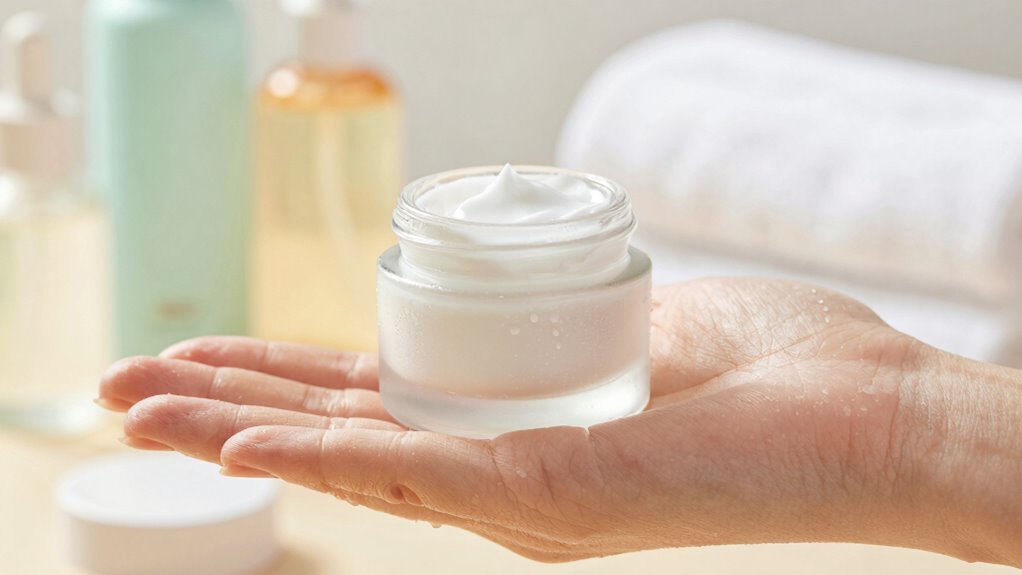

If you have sensitive skin, adopting a smarter routine helps prevent irritation and strengthens your skin barrier. By choosing gentle products with calming and barrier-repair ingredients, you reduce flare-ups and inflammation. Simplifying your skincare, avoiding harsh chemicals, and managing stress also support lasting comfort. This targeted approach keeps your skin resilient and balanced. Staying consistent with these habits makes a noticeable difference—if you keep exploring, you’ll discover even more ways to care for your sensitive skin effectively.

Get workout gear delivered free — and shop member deals
- Fast, free delivery on millions of items
- Access to Prime Big Deal Days deals on October 6–7
- Prime Video, Amazon Music and more included
Key Takeaways
- Sensitive skin requires a tailored routine to avoid irritants and prevent flare-ups caused by harsh ingredients or overloading products.
- A smarter routine emphasizes simplicity and consistency, reducing stress on the skin and supporting its natural barrier.
- Using gentle, barrier-supporting products helps protect against environmental stressors and enhances skin resilience.
- Managing stress through calming practices minimizes inflammation and redness, improving overall skin tolerance.
- Gradually introducing products and prioritizing soothing ingredients help maintain skin balance and prevent sensitivity reactions.
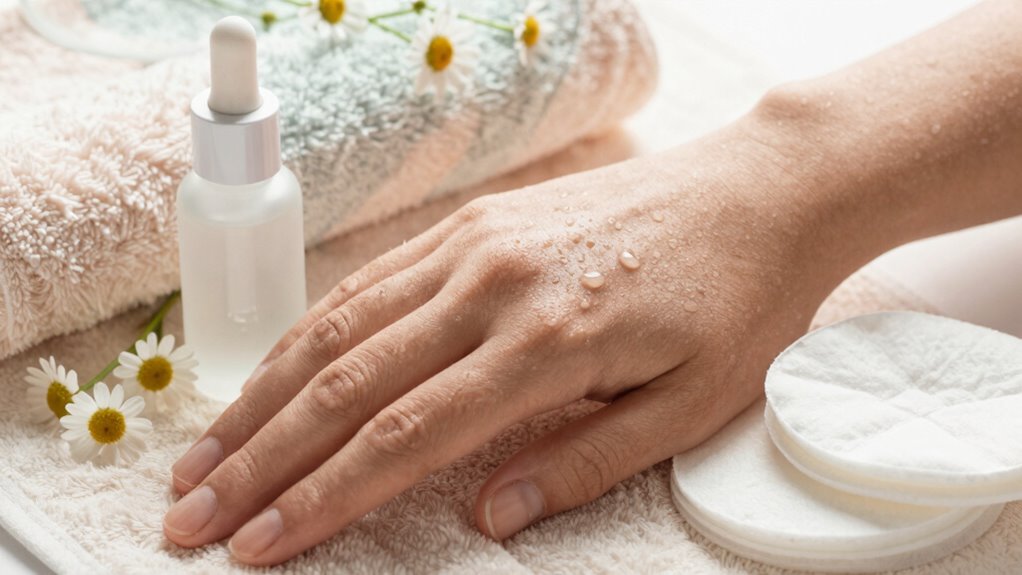
Do you struggle with redness, irritation, or discomfort on your skin? If so, you’re not alone. Sensitive skin reacts more intensely to everyday products and environmental factors, making it essential to adopt a smarter skincare routine. A mindful approach can help you reduce flare-ups and keep your skin feeling calm and balanced. The first step is understanding that sensitive skin requires more than just gentle products; it demands ingredient awareness. You need to be cautious about what you’re applying, avoiding harsh chemicals, fragrances, and irritants that can trigger reactions. Reading labels becomes your best friend, and opting for products formulated for sensitive skin can make a significant difference. But beyond choosing the right ingredients, managing stress is equally crucial, because stress management directly impacts your skin’s health. When you’re stressed, your body releases hormones that can exacerbate inflammation, redness, and irritation. Developing techniques to manage stress—such as deep breathing, meditation, or gentle exercise—can help your skin stay calmer and less reactive. Incorporating these practices into your daily routine isn’t just good for your mental health; it’s a direct way to support your skin’s resilience. Additionally, incorporating skin barrier support through nourishing ingredients can help protect your skin from external irritants and reduce sensitivity. Understanding how skin barrier function influences skin sensitivity can empower you to make more informed choices about your skincare products. Using protective ingredients can further enhance your skin’s defenses against environmental stressors. Incorporating products with barrier-repair ingredients can help restore and maintain your skin’s natural protective layer. Your routine should prioritize simplicity and consistency. Overloading your skin with multiple products or trying every new trend can overwhelm sensitive skin, leading to increased discomfort. It’s also helpful to remember that proper hydration plays a key role in maintaining your skin’s health and barrier function. Instead, choose a gentle cleanser that respects your skin’s barrier and avoid scrubbing or using hot water, which can strip natural oils and cause irritation. Follow up with a soothing moisturizer containing calming ingredients like ceramides or oat extract, which help reinforce your skin’s natural defenses. When it comes to treatments, less is more. Limit active ingredients, especially those known to cause sensitivity—like alcohol, certain acids, or fragrances—and introduce new products gradually, giving your skin time to adjust.
gentle moisturizer for sensitive skin
As an affiliate, we earn on qualifying purchases.
As an affiliate, we earn on qualifying purchases.
Frequently Asked Questions
How Can I Identify if My Skin Is Truly Sensitive?
You can tell if your skin is truly sensitive by paying attention to reactions like redness, itching, or burning after trying new products. To be sure, do a patch test on a small skin area before full use. Look for ingredient transparency in products, avoiding harsh chemicals or fragrances. If your skin reacts easily and consistently, it’s a sign you need a more careful routine tailored for sensitive skin.
Are Natural Ingredients Always Better for Sensitive Skin?
Natural ingredients aren’t always better for sensitive skin; for example, lavender may seem soothing but can cause reactions in some. You need to evaluate ingredient efficacy and safety rather than just natural labels. Some synthetic ingredients undergo rigorous testing and are proven safe, while certain natural extracts might trigger irritation. Always check ingredient formulations carefully, and consult a dermatologist if you’re unsure about what’s best for your sensitive skin.
How Often Should I Change My Skincare Products?
You should change your skincare products every 4-6 months or if you notice ingredient sensitivity. Frequent product layering can cause irritation, so it’s important to monitor how your skin reacts. If you experience redness, itching, or breakouts, switch products sooner. Regularly updating your routine helps prevent build-up and guarantees your skin isn’t overwhelmed by outdated formulas. Pay attention to your skin’s signals and adapt your products accordingly for a smarter, gentler routine.
Can Diet Affect Sensitive Skin Reactions?
Imagine your skin as a delicate garden, easily affected by what you feed it. The diet impact is real—certain foods act as hidden food triggers, sparking redness or irritation. When you consume spicy, processed, or allergenic foods, your sensitive skin reacts like a disturbed flowerbed. Being mindful of your diet helps reduce these reactions, allowing your skin to flourish naturally and stay calm, clear, and resilient.
What’s the Best Way to Test New Skincare Products Safely?
To test new skincare products safely, do a patch test first. Apply a small amount of the product on your inner wrist or behind your ear, then wait 24-48 hours for any reactions. Look for redness, irritation, or swelling. Always choose products with ingredient transparency so you know what’s in them. This helps you avoid harmful ingredients and minimizes the risk of adverse reactions on your sensitive skin.
Conclusion
By tailoring your skincare routine to suit sensitive skin, you’re not just putting a bandage on the problem—you’re addressing the root. Stick to gentle, nourishing products and listen to your skin’s signals. Remember, a smart routine is like a well-tended garden; it takes patience and care to flourish. When you nurture your skin with the right ingredients, you’ll find that it becomes more resilient and radiant, proving that sometimes, slow and steady truly wins the race.
Halloween Picks
halloween
As an affiliate, we earn on qualifying purchases.