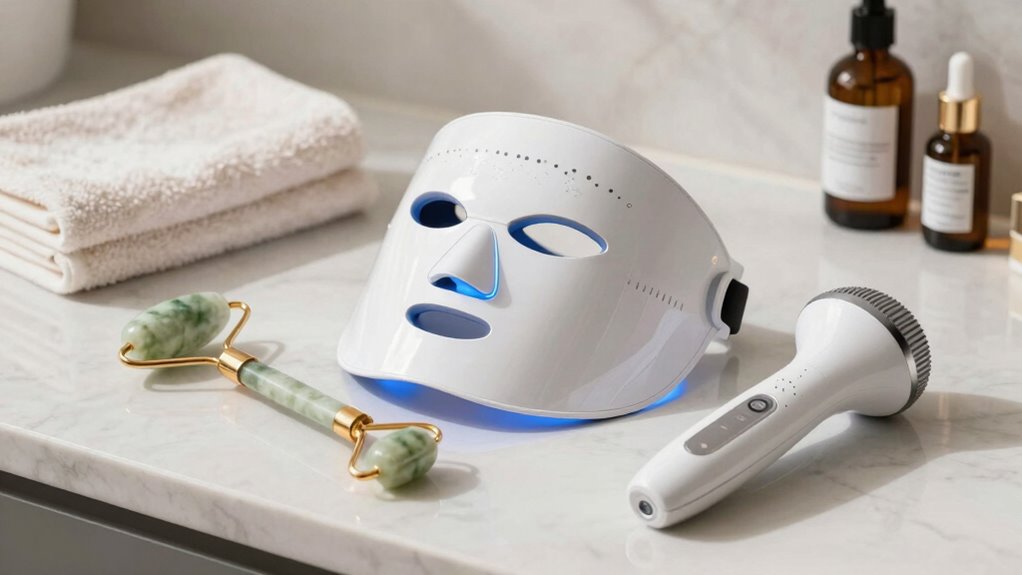

Before buying at-home skin care devices, you should prioritize safety certifications like FDA approval and understand their built-in safety features, such as skin sensors. Learn proper usage to avoid overuse or incorrect operation, which can cause irritation or burns. Consider how the device fits into your skincare routine and your skin conditions. Balancing cost, versatility, and realistic expectations is also key. Keep in mind, more insights can help you make smarter choices for your skin health.

Get workout gear delivered free with Prime
- Fast, free delivery on millions of items
- Prime Video, Amazon Music and more included
- Member-only deals all year
Key Takeaways
- Ensure devices have FDA approval and safety certifications to minimize risks and guarantee safety features like skin sensors.
- Follow proper usage guidelines and understand your skin’s response to prevent adverse effects and optimize results.
- Choose devices that complement professional skincare advice and address your specific skin conditions effectively.
- Assess long-term costs, versatility, and durability to ensure a worthwhile and cost-efficient investment.
- Set realistic expectations, consult a dermatologist, and recognize at-home devices are supplements, not replacements, for professional treatments.
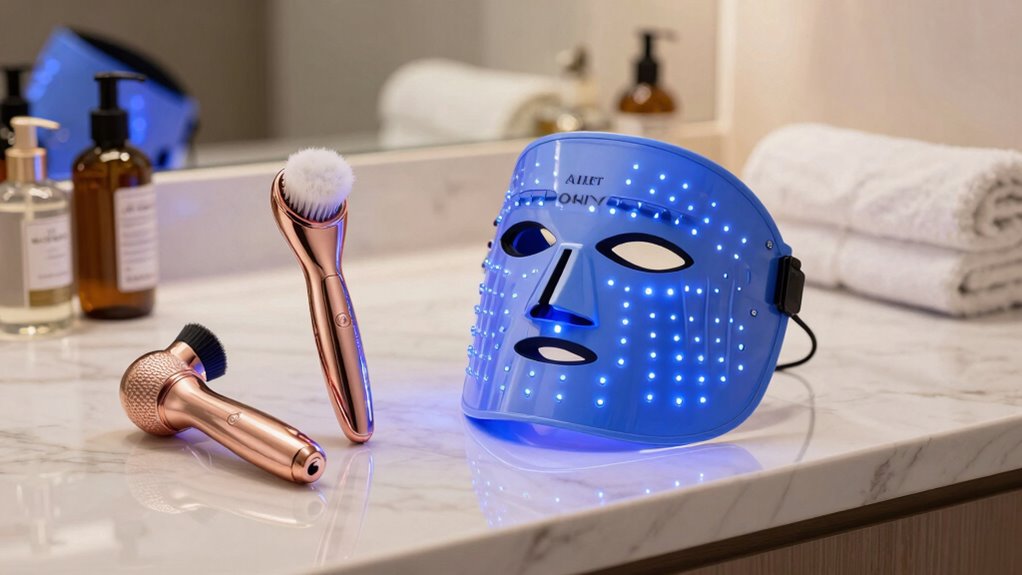
In recent years, at-home skin care devices have gained popularity because they offer convenient, effective solutions for achieving healthier skin without frequent visits to the dermatologist. As you contemplate investing in these devices, it’s important to prioritize device safety. Not all gadgets are created equal, and some may pose risks if they aren’t FDA-approved or if you don’t follow the instructions properly. Before making a purchase, research the brand’s safety certifications and read reviews from other users. Look for devices with built-in safety features, like skin sensors that prevent overuse or excessive intensity. Remember, just because a device is marketed for home use doesn’t mean it’s completely risk-free. Taking the time to understand how to operate the device correctly can help you avoid adverse effects such as burns, skin irritation, or hyperpigmentation. Supporting safety with proper device usage and understanding your skin’s response is crucial for effective results. Additionally, it’s helpful to consider the landscaping of your skincare routine, ensuring that at-home treatments complement professional advice rather than replace it entirely. Incorporating knowledge of skin conditions** can help you better identify which devices are suitable for your specific skin concerns. Furthermore, understanding the underlying technology behind these devices can help you make more informed choices about their effectiveness and safety. Gaining knowledge of emerging trends in digital skincare tools can also help you stay ahead of new innovations that might benefit your routine. Cost comparison is another essential factor to ponder. While at-home devices are often more affordable than frequent professional treatments, costs can vary widely depending on the technology and brand. Some devices may seem inexpensive initially but could require ongoing expenses for replacement parts, such as filters or cartridges. Others might have a higher upfront cost but save you money over time, especially if they’re versatile enough to treat multiple skin concerns. It’s wise to compare not only the initial price but also the long-term costs and benefits. For example, a device that combines several functions—like laser hair removal, acne treatment, and skin rejuvenation—could be more economical than buying separate gadgets for each purpose. Additionally, consider the durability and warranty offered by the manufacturer, as these factors can influence the overall value of your investment. Being informed about device safety and cost comparison helps you make smarter choices and avoid unnecessary expenses or potential harm. You should also set realistic expectations; some devices may deliver noticeable results in a few weeks, while others might require consistent use over several months. Keep in mind that at-home devices aren’t a substitute for professional advice, especially if you have underlying skin conditions. Consulting a dermatologist before starting any new skin care regimen ensures you select the right device for your skin type and concerns. Ultimately, taking the time to research safety features and comparing costs will help you choose a device that fits your lifestyle, budget, and skin goals**, setting you up for safer, more effective at-home skincare.
FDA approved at-home skin care devices
As an affiliate, we earn on qualifying purchases.
As an affiliate, we earn on qualifying purchases.
Frequently Asked Questions
Are At-Home Devices as Effective as Professional Treatments?
At-home devices can be quite effective for skin improvement, but they often don’t match professional treatments. Device technology in salons uses higher intensity settings, which can target deeper layers for better results. However, if you follow instructions carefully, at-home devices still offer noticeable benefits over time. Just remember, consistency is key, and managing expectations is important since professional treatments typically deliver faster, more dramatic results.
How Often Should I Use an At-Home Skin Care Device?
You should use your device as recommended, usually 2-3 times a week, but always check the manufacturer’s instructions. Overusing it can reduce device longevity and drain battery life faster. To keep your device in top shape, avoid excessive use and give it time to rest, ensuring peak performance. Following these guidelines helps balance effective skincare and device durability, so you get the most from your investment.
Can These Devices Cause Skin Damage or Irritation?
Yes, at-home skin care devices can cause damage or irritation if not used properly. To prevent this, make sure the device is well-calibrated for your skin type and sensitivity. Always follow the manufacturer’s instructions, start with lower settings, and do a patch test first. If your skin reacts badly, stop use immediately. Regularly check device calibration and adjust based on how your skin responds to avoid harm.
Are At-Home Devices Safe for Sensitive Skin?
At-home devices can be safe for sensitive skin if you choose ones designed for device sensitivity and follow the instructions carefully. Always do a patch test first to check for reactions. Look for gentle settings and avoid high-intensity modes, especially if your skin reacts easily. Consulting with a dermatologist beforehand helps make certain the device suits your sensitive skin, reducing the risk of irritation or damage.
Do At-Home Devices Require Any Special Maintenance or Cleaning?
Think of your device as a loyal steed—you gotta keep it in top shape. Regular cleaning with gentle, device-compatible products prevents buildup and extends battery longevity. Always follow manufacturer instructions for maintenance, ensuring compatibility with your skin type and device features. Proper care keeps your device running smoothly, so you’ll enjoy consistent results and a longer lifespan—saving you time, money, and skin worries along the way.
Conclusion
Before diving into at-home skin care devices, remember they’re tools, not magic wands. Do your research, understand your skin’s needs, and pick devices that suit your goals. Think of these gadgets as your skin’s new best friends—if chosen wisely, they’ll work wonders. But don’t forget, even the most high-tech device can’t replace consistent skincare habits. Use them thoughtfully, and your skin will thank you like a garden in full bloom.
Columbus Day / Indigenous Peoples' Day Picks
long weekend sales
As an affiliate, we earn on qualifying purchases.