
TL;DR

Get workout gear delivered free — and shop member deals
- Fast, free delivery on millions of items
- Access to Prime Big Deal Days deals on October 6–7
- Prime Video, Amazon Music and more included
Interest in exercises that enhance rotational strength among aging populations is rising, driven by the need to maintain mobility and prevent falls. Experts emphasize targeted exercises as part of healthy aging routines, though definitive studies are still emerging.
Search interest in exercises aimed at building rotational strength among older adults has surged recently, signaling a growing awareness of the importance of functional fitness as people age. While definitive clinical guidelines are still developing, experts agree that incorporating rotational movements can support mobility, balance, and fall prevention in seniors.
Rotational strength exercises focus on improving the ability to twist and turn the torso, which are critical movements for daily activities such as reaching, bending, and turning. These exercises are increasingly recommended by fitness professionals and healthcare providers for aging populations to help maintain independence and reduce fall risk.
Current evidence suggests that targeted rotational training can enhance core stability, improve posture, and support spinal health. Some common exercises include seated torso twists, standing woodchoppers with resistance bands, and rotational planks. However, comprehensive clinical trials specific to older adults are limited, and most recommendations are based on general principles of functional training.
Health organizations and fitness experts highlight that safety precautions are essential, especially for individuals with pre-existing conditions or balance issues. Proper supervision, gradual progression, and individualized modifications are emphasized to minimize injury risk.
Why Rotational Exercises Are Vital for Aging Adults
As people age, declines in muscle strength, flexibility, and balance increase the risk of falls and related injuries. Incorporating rotational strength exercises into regular routines can support functional mobility, helping seniors perform daily tasks more safely and confidently. This trend reflects a broader shift toward preventive health measures that focus on maintaining independence and quality of life.
Experts believe that improving rotational strength not only aids in everyday movements but also contributes to better posture and spinal health, which are often compromised with age. As the population ages, promoting such targeted exercises could reduce healthcare costs associated with fall-related injuries and mobility issues.
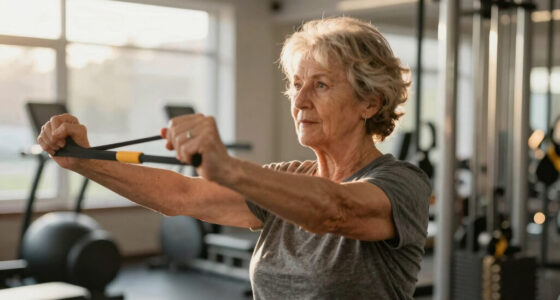
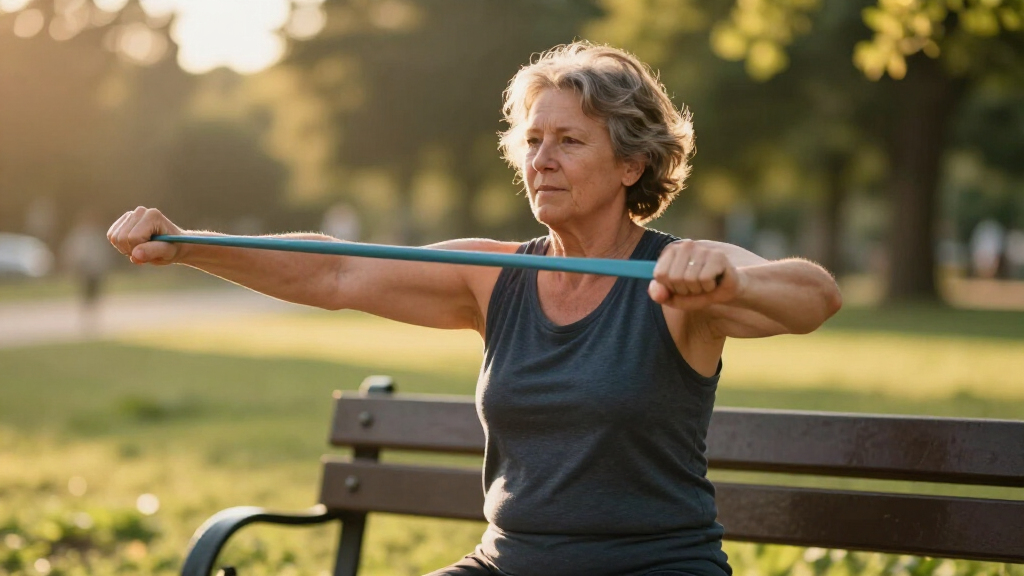
resistance band woodchopper exercise for seniors
As an affiliate, we earn on qualifying purchases.
As an affiliate, we earn on qualifying purchases.
Rising Interest in Functional Fitness for Older Adults
The focus on functional fitness—exercises that mimic everyday movements—has grown over recent years, especially among aging populations. This trend is driven by increased awareness of fall prevention, the desire for independence, and the availability of specialized fitness programs for seniors.
While research on specific rotational exercises for older adults is still emerging, the broader field of geriatric fitness emphasizes core stability, balance, and mobility. Many health professionals now recommend integrating rotational movements into comprehensive exercise routines for seniors to address age-related declines in muscle function.
This rising interest coincides with demographic shifts toward an aging population and increased coverage of age-specific fitness strategies in mainstream media and health outlets.
Limited Clinical Evidence on Long-Term Benefits
While experts advocate for rotational exercises, definitive long-term studies specifically targeting older populations are limited. It remains unclear how these exercises compare to other forms of strength training in preventing falls or improving quality of life over extended periods.
Further research is needed to establish standardized protocols and quantify benefits, especially for individuals with chronic conditions or mobility impairments.
Monitoring Research and Integrating Best Practices
Researchers are expected to conduct more controlled trials evaluating the effectiveness of rotational exercises for aging adults. Meanwhile, fitness professionals and healthcare providers will likely continue to refine guidelines, emphasizing safety and personalization.
Public health campaigns may also promote awareness of functional exercises, including rotational movements, as part of routine aging health strategies.
Key Questions
Are rotational exercises safe for all older adults?
Rotational exercises can be safe when performed with proper supervision, appropriate modifications, and gradual progression. Individuals with specific health conditions should consult healthcare providers before starting new routines.
What are some simple rotational exercises for seniors?
Examples include seated torso twists, standing woodchoppers with resistance bands, and rotational planks. These should be tailored to individual ability levels and performed with caution.
Can rotational strength exercises prevent falls?
While evidence suggests they can improve balance and mobility, they are part of a broader strategy that includes balance training, strength, and flexibility exercises to effectively reduce fall risk.
How often should older adults do rotational exercises?
Frequency depends on individual health status and fitness level, but generally, 2-3 times per week with adequate rest and supervision is recommended for safety and effectiveness.
Is professional supervision necessary?
Supervision by qualified fitness or healthcare professionals is advised, especially for beginners or those with existing health issues, to ensure correct form and prevent injury.
Source: rss
Fall Picks
fall essentials
As an affiliate, we earn on qualifying purchases.