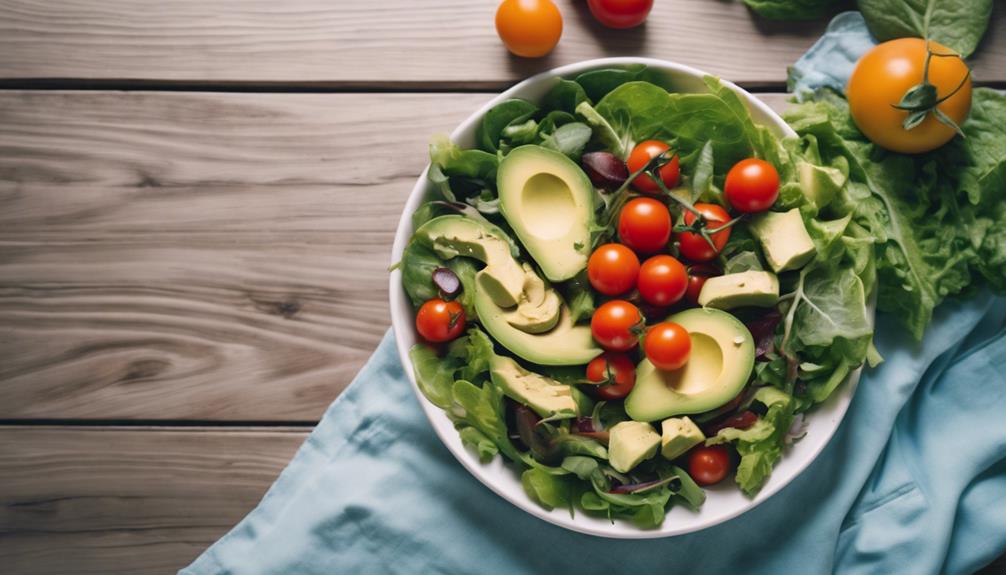
To create a lifestyle that supports better digestion, focus on eating fiber-rich, easy-to-digest foods like fruits, vegetables, whole grains, and fermented products. Manage stress through mindfulness, yoga, or deep breathing, as stress can disrupt digestion. Prioritize good sleep, stay hydrated, and stay active with regular movement. Avoid processed foods and keep your environment well-ventilated. Small, consistent changes can markedly improve your gut health—continue to explore more ways to optimize your digestive well-being.

Get workout gear delivered free with Prime
- Fast, free delivery on millions of items
- Prime Video, Amazon Music and more included
- Member-only deals all year
Key Takeaways
- Incorporate gut-friendly, fiber-rich, and fermented foods into daily meals to promote healthy digestion.
- Manage stress through mindfulness, relaxation, and physical activity to prevent digestive disruptions.
- Prioritize sufficient sleep, hydration, and proper ventilation to support overall digestive health.
- Observe how different foods and stress levels affect your body, adjusting habits accordingly.
- Establish consistent routines and small lifestyle changes for long-term digestive well-being.

Good digestion is vital for overall health, and making simple lifestyle changes can markedly improve how your body processes food. One of the most effective ways to support your digestive system is by focusing on gut-friendly foods. These foods are easy to digest and help maintain a healthy balance of bacteria in your gut. Incorporate plenty of fiber-rich fruits and vegetables, like apples, berries, carrots, and leafy greens, which promote regular bowel movements and prevent constipation. Whole grains, such as oats and brown rice, also support digestion by providing fiber and nutrients that keep your gut functioning smoothly. Additionally, include fermented foods like yogurt, kefir, sauerkraut, and kimchi, which introduce beneficial probiotics that enhance gut flora. Avoid processed and greasy foods, as they can irritate your digestive tract and slow down digestion. Instead, opt for fresh, whole foods that nourish your body and promote a healthy gut environment.
Managing stress is another vital component for better digestion. Stress management techniques can greatly influence how your digestive system functions. When you’re stressed, your body releases hormones that can disrupt normal digestion, leading to symptoms like bloating, gas, and discomfort. Practicing mindfulness through meditation, deep breathing exercises, or yoga can help calm your nervous system and reduce stress levels. Regular physical activity, such as walking or gentle stretching, also releases tension and encourages healthy digestion. Setting aside time for relaxation and hobbies provides mental relief and prevents stress from piling up. Incorporating stress reduction techniques into your daily routine can further support your gut health by lowering cortisol levels that may impair digestion. Remember, your mental state directly impacts your gut health, so taking steps to manage stress isn’t just good for your mind—it’s essential for your gut. Including lifestyle factors such as sleep quality and hydration can also influence digestive health by supporting overall bodily functions. Enhancing your understanding of how different contrast ratio in foods and lifestyle choices influence your digestion can help you make more informed decisions for your health.
Incorporating these strategies into your daily routine doesn’t have to be complicated. Simple changes like adding more gut-friendly foods to your meals and practicing stress management techniques can lead to noticeable improvements in digestion. Pay attention to how your body responds to different foods and stress levels, and adjust accordingly. Incorporating indoor air quality considerations, such as proper ventilation and humidity control, can also support overall well-being and reduce irritants that may affect your gut. Good air quality can help prevent respiratory issues that sometimes contribute to overall discomfort and stress. Over time, you’ll develop a lifestyle that supports your digestive health naturally and sustainably. Making these adjustments not only benefits your gut but also boosts your overall well-being, energy, and mood. With consistency, these small but meaningful changes can transform your digestive health and help you feel more comfortable and vibrant every day.
Products Worth Considering

Therabody Theragun Relief Massage Gun, 3-Speed, Black

Oral-B iO Series 5 Rechargeable Electric Toothbrush with Travel Case and 3 Brush Heads, Black

Oura Ring 5 Smart Ring, Silver, Size 10
As an affiliate, we earn on qualifying purchases.
Frequently Asked Questions
Can Specific Foods Improve Digestion Quickly?
Yes, specific foods can improve digestion quickly. Incorporate fermentation foods like yogurt, sauerkraut, or kimchi to introduce beneficial probiotics that aid digestion. Spicy ingredients such as ginger, turmeric, or chili peppers can stimulate your digestive system, helping to break down food faster. Eating these foods regularly can promote better gut health, reduce bloating, and enhance nutrient absorption, supporting a healthier, more efficient digestive process.
How Does Stress Affect My Digestive Health?
Stress can turn your digestion into a rollercoaster, causing bloating, discomfort, and irregularity. When you’re stressed, your gut brain connection weakens, disrupting digestion and nutrient absorption. Practicing stress management techniques like meditation or deep breathing helps restore this essential link, calming your gut and improving overall health. Think of it as rewiring your body’s communication system, making your digestive process smoother and more resilient against everyday stressors.
Are Supplements Necessary for Better Digestion?
Supplements aren’t always necessary, but they can help support digestion if you struggle. Digestive enzymes assist your body in breaking down food more efficiently, especially if you have enzyme deficiencies. Herbal remedies like ginger or peppermint can soothe your gut and reduce discomfort. Before adding supplements, consult a healthcare professional to determine what’s best for your unique needs, ensuring you support your digestive health safely and effectively.
How Often Should I Exercise for Optimal Digestion?
You should aim for at least 150 minutes of moderate exercise weekly, spreading out your workouts to keep your digestion running smoothly. Don’t forget, timing your meals properly and maintaining good hydration habits are just as essential. Exercising regularly helps move things along, but overdoing it can backfire. Find a balance that fits your schedule—think of it as keeping all the plates spinning without dropping one.
What Are Signs of Poor Digestion to Watch For?
You might notice signs of poor digestion like bloating, gas, and irregular bowel movements. If your digestive enzymes aren’t functioning well, you could feel discomfort after meals. Changes in gut flora can also cause symptoms like stomach pain or fatigue. Pay attention to these signs, as they indicate your digestive system isn’t working at its best. Improving your diet, managing stress, and supporting healthy gut flora can help restore balance.
Conclusion
By making small changes to your daily habits, you can turn your digestion into a well-oiled machine. Think of your digestive system like a garden—you need to nurture it with healthy foods, stay active, and manage stress. When you prioritize these habits, you’ll notice your digestion runs smoother than ever. Embrace these tips, and enjoy the journey toward a happier, healthier gut—it’s like giving your body a fresh start every day.