
TL;DR

Get workout gear delivered free — and shop member deals
- Fast, free delivery on millions of items
- Access to Prime Big Deal Days deals on October 6–7
- Prime Video, Amazon Music and more included
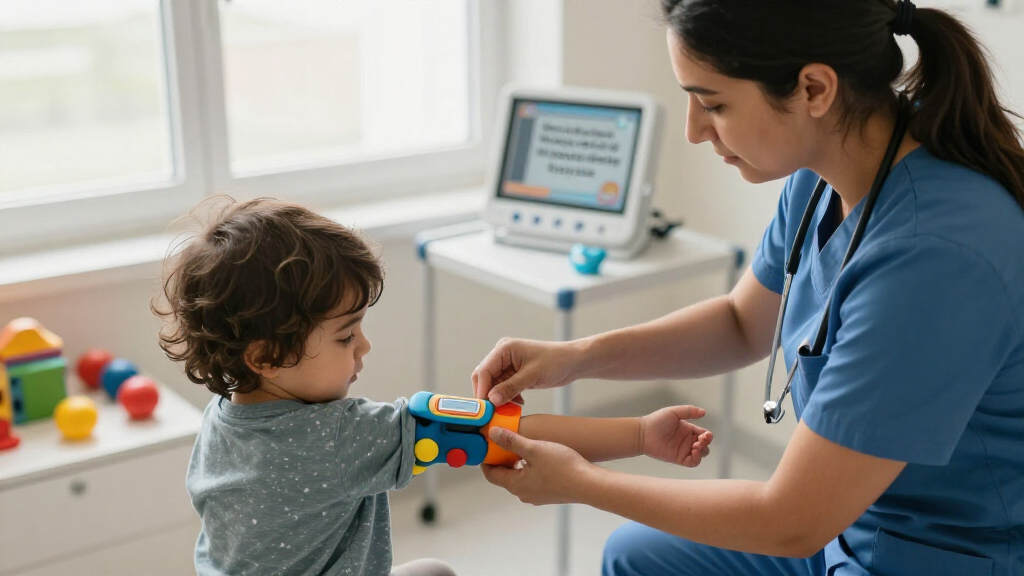
A new national workshop has been launched in Riyadh to enhance early detection of disabilities and cerebral palsy. The initiative aims to improve screening, diagnosis, and intervention efforts across the country.
A national workshop focused on early detection of disabilities and cerebral palsy has been launched in Riyadh, Saudi Arabia, aiming to improve screening and intervention efforts nationwide. The initiative is backed by health authorities and medical professionals, highlighting a strategic move to address developmental health issues early on, which can significantly impact long-term outcomes for affected children.
The workshop was officially launched in Riyadh earlier this week, bringing together healthcare professionals, pediatric specialists, and policymakers. Its primary goal is to enhance the capacity for early diagnosis of disabilities, particularly cerebral palsy, through improved screening protocols and training programs. The event underscores the government’s commitment to advancing healthcare services for children with developmental challenges.
According to the organizers, the workshop will cover the latest diagnostic tools, best practices for early intervention, and community awareness strategies. It also aims to establish standardized screening procedures across healthcare facilities, ensuring that children at risk are identified promptly, which can lead to more effective treatment and support services.
While specific details about the workshop’s curriculum and participating institutions are still emerging, officials have emphasized the importance of early detection in reducing lifelong disabilities and improving quality of life for children and their families.
Impact of Early Detection on Child Development Outcomes
This initiative is significant because early detection of disabilities, including cerebral palsy, can greatly influence the effectiveness of treatment and intervention strategies. By identifying developmental issues at the earliest stages, healthcare providers can implement therapies that improve motor skills, communication, and overall development, potentially reducing long-term disabilities. The workshop’s focus on standardizing screening procedures aims to create a more uniform approach across the country, which could lead to better health outcomes and lower healthcare costs over time.
Furthermore, raising awareness among parents and communities about early signs of disabilities can lead to earlier consultations and interventions, ultimately supporting children’s integration into educational and social settings more effectively. The initiative aligns with broader public health goals of improving child health and developmental screening programs nationwide.
early childhood developmental screening tools
As an affiliate, we earn on qualifying purchases.
As an affiliate, we earn on qualifying purchases.
Background on Disability and Cerebral Palsy Screening in Saudi Arabia
Saudi Arabia has been increasingly focusing on improving healthcare services related to child development, with several initiatives aimed at early diagnosis and intervention. Cerebral palsy, as one of the most common motor disabilities in children, has gained particular attention due to its lifelong impact and the importance of early management. Historically, screening efforts have varied across regions, with disparities in access and quality of diagnosis.
Recent years have seen a push toward standardizing pediatric screening protocols, supported by national health policies and international guidelines. The launch of this workshop reflects a broader trend of integrating advanced diagnostic tools and training into routine pediatric care, aiming to catch developmental issues before they become more severe.
While there is growing awareness and policy support, challenges remain, including training healthcare workers, raising public awareness, and ensuring equitable access to screening services across urban and rural areas. This workshop is part of ongoing efforts to address these gaps and improve early childhood health outcomes.
Unconfirmed Details and Ongoing Developments
Details about the specific content of the workshop curriculum, the number of participating healthcare facilities, and the immediate follow-up actions remain unclear. It is also not yet confirmed how the workshop will be integrated into existing national health programs or whether it will be expanded to include other developmental disorders beyond cerebral palsy.
Additional information about funding sources, long-term sustainability plans, and measurable targets for screening coverage are still forthcoming. The impact of this workshop on actual screening rates and early diagnosis across different regions will need to be monitored over the coming months.
Next Steps for Implementation and Monitoring
Following the workshop, health authorities plan to develop and distribute standardized screening protocols nationwide and conduct training sessions for healthcare workers. There will likely be follow-up evaluations to assess the effectiveness of these measures in increasing early detection rates.
Further efforts may include public awareness campaigns, integration of screening into routine pediatric check-ups, and expansion of specialized diagnostic centers. Monitoring progress and collecting data on diagnosis and intervention timelines will be critical to measure the initiative’s success.
Key Questions
Who is organizing the workshop on early detection of disabilities?
The workshop is organized by the Saudi Ministry of Health in collaboration with pediatric healthcare professionals and policy makers.
What are the main goals of this workshop?
The primary goals are to improve early screening, standardize diagnostic practices, and enhance early intervention strategies for children with disabilities, especially cerebral palsy.
Will this initiative be expanded to include other developmental disorders?
It is not yet confirmed, but future plans may include broader screening initiatives covering additional developmental challenges.
How will this workshop impact children and families?
Early detection can lead to timely interventions, which may improve developmental outcomes and reduce the severity of disabilities, ultimately supporting better quality of life for affected children and their families.
When will the effects of this workshop be visible?
Initial impacts, such as increased screening rates, may be observed within the next six to twelve months, with long-term outcomes evaluated over the following years.
Source: local
Halloween Picks
halloween
As an affiliate, we earn on qualifying purchases.