

TL;DR

Get workout gear delivered free with Prime
- Fast, free delivery on millions of items
- Prime Video, Amazon Music and more included
- Member-only deals all year
Ray Vetuskey is celebrating what would have been the 100th birthday of the kidney his mother donated to him when he was 16. The transplant took place at Strong Hospital in March 1978; doctors say the kidney is still functioning, and Vetuskey is the hospital’s longest-surviving kidney transplant recipient.
Ray Vetuskey is celebrating what would have been the 100th birthday of the kidney his mother, Betty, donated to him when he was 16. Nearly 48 years after surgeons at Rochester’s Strong Hospital transplanted the organ in March 1978, it is still functioning, according to his doctors—a remarkable milestone that makes Vetuskey the hospital’s longest-surviving kidney transplant recipient.
Vetuskey, now 64, grew up in Seabreeze as the youngest of five children. He told WHEC that health problems emerged during his teenage years, and tests showed his kidneys were not working. He went on dialysis, but his kidneys did not recover, leaving transplantation as his treatment option. His mother, Betty, then 52, offered to donate one of her kidneys.
Vetuskey recalled that he and his mother were taken to surgery on gurneys, holding hands. He said Betty tried to reassure him by joking that she had a concert to attend and would not miss it. The transplant succeeded, and Vetuskey made it to the Genesis concert. He still has the ticket stub and a calendar from March 1978 with the operation date circled.
Betty has since died. Vetuskey told WHEC that he thinks of her every day and has honored her by naming a star for her in a national star registry. He visits Strong Hospital once a year for a check-up. Doctors believe the kidney could last for the rest of his life, though that is a medical expectation, not a guarantee.
A transplant lasting nearly five decades
The case highlights an unusually long-lasting transplant and the enduring effects of living donation for one family. Living-donor kidneys typically last 15 to 20 years, according to transplant medical director Dr. Miklos Molnar, making the kidney’s continued function after nearly 48 years exceptional in the experience described by the hospital.
The report also connects Vetuskey’s story to current donation needs. It says about 500 people in the region are waiting for a kidney transplant, with hundreds more waiting for other organ transplants. The story offers a personal example of donation’s potential impact, but it does not establish how long another donated organ will function or predict the outcome for a particular recipient.
Products Worth Considering
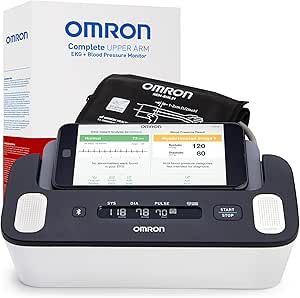
OMRON Complete 2-in-1 Upper Arm Blood Pressure Monitor with EKG

Philips Sonicare DiamondClean 9000 Electric Toothbrush Bundle, HX9912/72

Withings Body Scan Smart Scale with Segmental Body Composition and ECG, Black
As an affiliate, we earn on qualifying purchases.
From dialysis to a donor transplant
When Vetuskey’s kidneys failed as a teenager, dialysis did not restore their function. His mother’s offer made a living-donor transplant possible, and surgeons at Strong Hospital performed the operation in March 1978. The donated kidney has continued to function through decades of follow-up, according to the report.
WHEC cited the Finger Lakes Donor Recovery Network as saying 72% of people locally are registered donors. The network encourages more people to consider registration. People older than 16 can sign up, choose which organs and tissues they wish to donate, and change or withdraw their registration, according to the report.
““Every day I think of her, doesn’t a day go by…She’s right by my side, all the time.””
— Ray Vetuskey, speaking to WHEC
How long the kidney may continue working
The report does not provide a precise medical explanation for why Betty’s kidney has functioned for so long, nor does it give detailed clinical measurements or the doctors’ estimate of its remaining lifespan. Doctors believe it could last Vetuskey the rest of his life, but the timing cannot be known with certainty. The report also does not identify a broader comparison group or provide data on how many recipients have had transplants for a similar length of time.
Annual check-ups and donor registration
Vetuskey is expected to continue his annual check-up at Strong Hospital, where doctors monitor the transplanted kidney. The report does not announce a special medical procedure or public event tied to the birthday milestone. The Finger Lakes Donor Recovery Network is continuing to encourage people to review donor registration; according to the report, eligible people can select which organs and tissues they wish to donate and can modify or withdraw their registration.
Key Questions
When did Ray Vetuskey receive his kidney transplant?
Surgeons at Strong Hospital performed the transplant in March 1978, when Vetuskey was 16.
Who donated the kidney?
His mother, Betty Vetuskey, donated one of her kidneys. She was 52 at the time, according to the WHEC report.
Is the transplanted kidney still functioning?
Yes. WHEC reported that the kidney is still working nearly 48 years after the transplant. Vetuskey visits Strong Hospital once a year for a check-up.
Why is the transplant described as unusual?
Dr. Miklos Molnar said living-donor kidneys typically last 15 to 20 years. Vetuskey’s kidney has functioned for nearly 48 years, and doctors identified him as Strong Hospital’s longest-surviving kidney transplant recipient.
Can people change their organ donor registration?
According to the report, people older than 16 can register, limit which organs and tissues they wish to donate, and modify or withdraw their registration.
Source: hn