
TL;DR

Get workout gear delivered free with Prime
- Fast, free delivery on millions of items
- Prime Video, Amazon Music and more included
- Member-only deals all year
Mosquito populations in Los Angeles are surging due to increased humidity, which experts say could lead to a higher risk of West Nile virus transmission. Officials are monitoring the situation as coverage interest spikes, though specific outbreak details remain unclear.
Los Angeles is experiencing a marked increase in mosquito populations as a result of the city’s recent high humidity levels, raising concerns among public health officials about the potential for increased West Nile virus transmission. This surge in mosquito activity is confirmed by recent local reports and environmental data, with experts warning that the conditions are favorable for mosquito breeding and survival.
According to the Los Angeles Times, mosquito populations have been thriving in the city’s recent humid weather, which has persisted over the past few weeks. The elevated humidity, which is unusual for the region at this time of year, creates ideal breeding conditions for mosquitoes, particularly in standing water sources around urban and suburban areas. Public health officials have noted an uptick in mosquito surveillance data, indicating higher mosquito counts compared to previous years at this time.
Experts from local health agencies confirm that the increased mosquito activity correlates with the recent weather patterns. Dr. Susan Miller, an entomologist at the Los Angeles County Department of Public Health, stated, “The humidity levels have been significantly higher than average, and that directly influences mosquito breeding. We are seeing more larvae and adult mosquitoes in various neighborhoods.”
While no definitive spike in West Nile virus cases has been reported yet, officials emphasize that the increased mosquito presence raises the likelihood of virus transmission, especially in areas where mosquito control efforts are limited or delayed. The Los Angeles County Department of Public Health has issued warnings to residents to eliminate standing water around their homes and to use protective measures against mosquito bites.
Implications for Public Health and Disease Risk
This surge in mosquito populations is significant because it could lead to an increase in West Nile virus cases, which can cause serious neurological illness in some individuals. Although no new human cases have been confirmed recently, public health officials warn that the risk is rising as mosquito numbers grow. The situation underscores the importance of vigilant mosquito control and community awareness to prevent potential outbreaks.
The broader concern is that changing weather patterns, including increased humidity, may continue to favor mosquito breeding in urban environments, potentially elevating the risk of mosquito-borne diseases in Los Angeles and similar regions. This development highlights the need for ongoing surveillance and proactive public health measures.
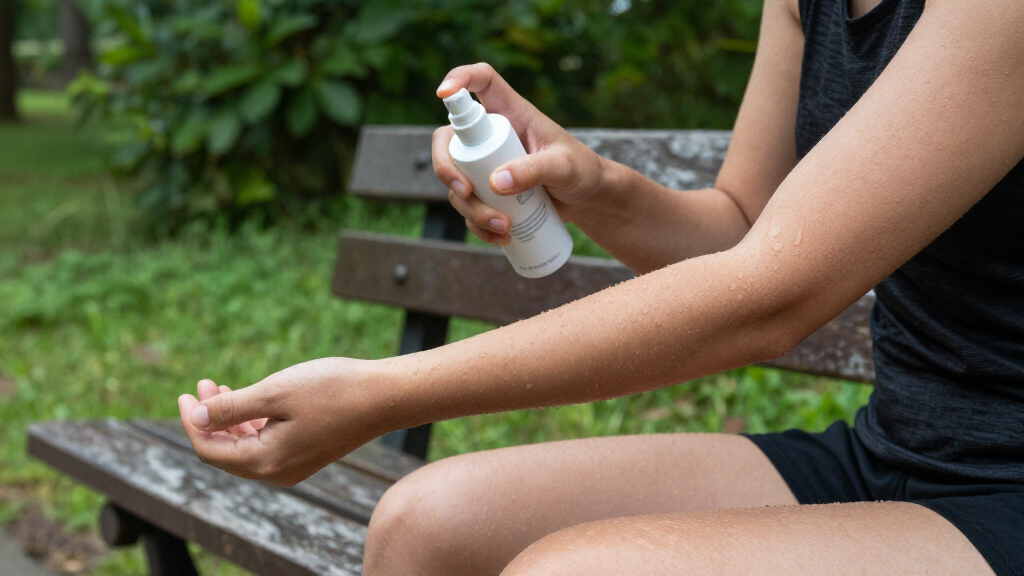
mosquito repellent spray for outdoor use
As an affiliate, we earn on qualifying purchases.
As an affiliate, we earn on qualifying purchases.
Recent Weather Trends and Mosquito Surveillance Data
Los Angeles has experienced a period of higher-than-normal humidity over the past month, driven by unusual weather patterns and atmospheric conditions. This has led to increased moisture levels in the air and around urban water sources, creating optimal breeding grounds for mosquitoes.
Historically, mosquito populations in Los Angeles tend to decline during cooler, drier months, but recent weather anomalies have disrupted this pattern. Local mosquito surveillance programs have recorded a rise in mosquito counts, particularly in areas with standing water, such as parks, vacant lots, and residential yards.
Public health agencies have been monitoring these trends closely, noting that the current conditions are conducive to mosquito proliferation, which could impact disease transmission dynamics in the coming weeks.
Unconfirmed Links Between Weather and West Nile Cases
While experts agree that increased mosquito populations could elevate West Nile virus transmission risk, no confirmed increase in human cases has been reported yet. It remains unclear whether the current environmental conditions will lead to a spike in West Nile infections this season, as ongoing surveillance is still collecting data.
Additionally, the precise impact of humidity levels on mosquito breeding and virus transmission in Los Angeles is still being studied, and it is uncertain how long these conditions will persist.
Monitoring and Public Health Response in Progress
Public health officials are continuing to monitor mosquito populations and West Nile virus activity through surveillance programs. Authorities are expected to increase mosquito control efforts and public awareness campaigns in the coming weeks.
Residents are advised to remain vigilant, eliminate standing water, and use protective measures such as repellents and window screens. Further updates on mosquito counts and potential human cases are anticipated as data collection continues.
Key Questions
Why are mosquito populations increasing in Los Angeles now?
The recent rise in humidity levels has created favorable breeding conditions for mosquitoes, leading to higher populations in the city.
Does this mean there will definitely be more West Nile cases?
Not necessarily. While increased mosquito activity raises the risk, no confirmed spike in West Nile virus cases has been reported yet. Surveillance is ongoing.
What can residents do to protect themselves?
Residents should eliminate standing water around their homes, use mosquito repellents, and install window screens to reduce bite risk.
How long will the current conditions last?
The duration of elevated humidity and mosquito activity is uncertain, pending further weather developments and environmental monitoring.
Are other cities experiencing similar issues?
Yes, some regions with increased humidity are reporting similar trends, but local environmental factors influence mosquito populations differently across areas.
Source: local
Halloween Picks
halloween
As an affiliate, we earn on qualifying purchases.