

To train smarter with limited time, focus on high-intensity workouts like circuit training or intervals that maximize calorie burn and muscle engagement in less time. Prioritize compound movements and minimize rest to increase efficiency. Fuel your workouts with proper nutrient timing—consume energy beforehand and protein and carbs afterward for quicker recovery. Incorporate quick recovery strategies like stretching and hydration. Keep small adjustments and consistency in mind to see better results faster—if you want to learn more, keep going.

Get workout gear delivered free — and shop member deals
- Fast, free delivery on millions of items
- Access to Prime Big Deal Days deals on October 6–7
- Prime Video, Amazon Music and more included
Key Takeaways
- Prioritize high-intensity, compound exercises to maximize muscle engagement in shorter sessions.
- Incorporate circuit or interval training to boost calorie burn and efficiency.
- Plan nutrient timing around workouts to fuel efforts and accelerate recovery.
- Minimize rest periods and use supersets to increase workout density and save time.
- Focus on consistency and make small, strategic adjustments for long-term progress.
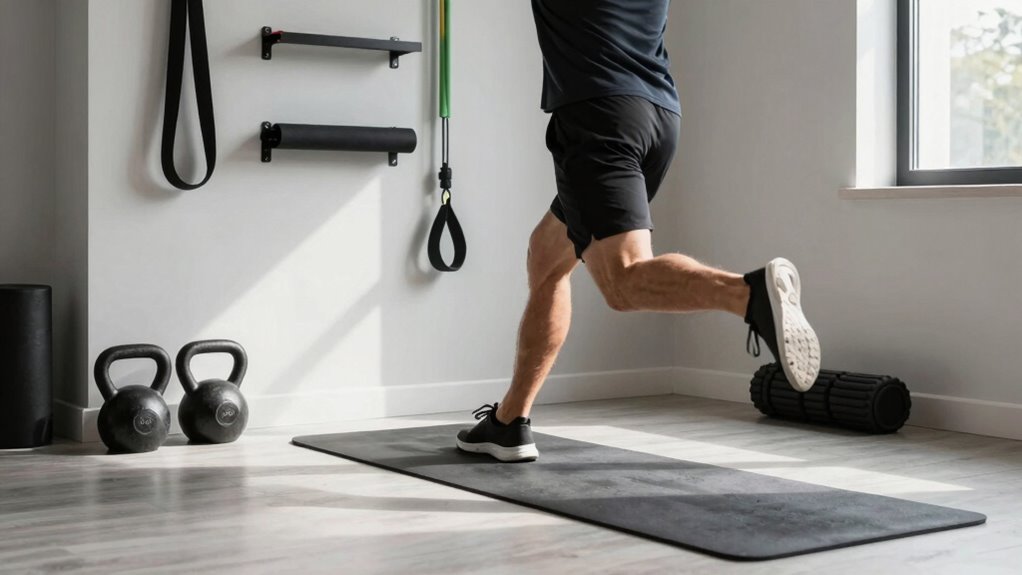
When your schedule is packed, it’s easy to feel like you don’t have enough time to train effectively. However, you can still make meaningful progress by optimizing the way you approach your workouts. Instead of lengthy sessions, focus on quality over quantity. High-intensity workouts, like circuit training or interval sessions, allow you to maximize calorie burn and muscle engagement in less time. These workouts push your limits quickly, ensuring you get the most out of every minute. To support this, paying attention to nutrient timing becomes crucial. Eating the right nutrients before and after your workouts helps fuel your efforts and accelerates recovery, so you can train more frequently and effectively without feeling drained.
Maximize your workouts with high-intensity training and proper nutrient timing for efficient, effective results.
Recovery strategies are equally important when you’re short on time. Proper recovery not only prevents injuries but also enhances your performance in subsequent workouts. Simple practices like staying hydrated, getting enough sleep, and incorporating stretching or foam rolling can make a big difference. Prioritize sleep because it’s when your body repairs itself and consolidates gains from training. When you’re pressed for time, even brief recovery activities can improve your training efficiency. For instance, a quick post-workout snack rich in protein and carbohydrates can replenish glycogen stores and jump-start muscle repair. This approach minimizes downtime and keeps you ready for the next session. Additionally, understanding training science can help you tailor recovery methods more effectively to your needs.
Another way to train smarter is to make every workout count by setting clear, achievable goals. Focus on compound movements that target multiple muscle groups at once, such as squats, deadlifts, or push-ups. These exercises give you the most bang for your buck in limited timeframes. Additionally, incorporate supersets or circuit-style routines to keep intensity high and reduce rest periods. This way, you’re not wasting time between sets, and your workout stays efficient. Incorporating sound healing science principles like brief mindful pauses during rest can also enhance mental focus and recovery.
Finally, don’t overlook the importance of consistency. Even if your workouts are short, doing them regularly creates momentum, which is key to progress. Keep your sessions focused, prioritize proper nutrient timing to support your efforts, and implement recovery strategies that fit into your busy schedule. Over time, these small, smart adjustments will lead to substantial improvements, proving that you don’t need endless hours to train effectively. Instead, you need a plan that makes every minute matter.
high-intensity interval training equipment
As an affiliate, we earn on qualifying purchases.
As an affiliate, we earn on qualifying purchases.
Frequently Asked Questions
Can Quick Workouts Be as Effective as Longer Sessions?
Quick workouts can be as effective as longer sessions when you focus on interval training and strength building. You get maximum results by alternating high-intensity bursts with rest, which boosts your cardiovascular fitness and muscle strength efficiently. Short, targeted sessions save time and keep you motivated. Consistency is key, so even brief workouts, if well-structured, can help you achieve your fitness goals faster than you might think.
What’s the Best Time of Day for Limited Training?
Think of your day as a river, flowing with opportunities. Morning is your best bet for limited training, as it boosts your morning productivity and sets a positive tone. If mornings aren’t your thing, late evening offers great recovery time, helping you unwind and repair. Choose the time that fits your rhythm—fitting workouts into these windows maximizes efficiency, making even short sessions count.
How Do I Stay Motivated With Less Training Time?
To stay motivated with less training time, set clear, achievable goals that inspire you. Use motivation techniques like tracking progress or rewarding yourself for milestones. Keep a positive mindset and remind yourself of your reasons for training. Break your workouts into short, focused sessions, making each one meaningful. This approach boosts your confidence and keeps you driven, even when time is limited, ensuring you stay committed and consistent.
Are High-Intensity Workouts Better for Limited Schedules?
Yes, high-intensity workouts like interval training are excellent for limited schedules. They maximize your effort in shorter periods, boosting both cardiovascular fitness and strength building. By alternating intense bursts with rest, you get a thorough workout that saves time and delivers results. Incorporate interval training into your routine to stay effective and efficient, ensuring you make the most of your limited workout sessions.
How Can I Prevent Injuries With Shorter Workouts?
To prevent injuries during shorter workouts, focus on injury prevention and workout safety. Always warm up thoroughly to prepare your muscles and joints, and prioritize proper form over speed or intensity. Incorporate dynamic stretches and listen to your body to avoid pushing beyond your limits. Cooling down and stretching afterward also help reduce injury risk. Staying mindful of these safety practices guarantees you train effectively without compromising your health.
Conclusion
When your time is tight, remember that quality beats quantity every time. Focus on smart, efficient workouts that maximize your effort, and don’t be afraid to cut corners where it counts. If you make every minute count, you’ll see progress faster than you might expect. Keep pushing forward, even if it feels like you’re running against the clock. With the right mindset, you’ll turn limited time into big gains—just don’t let the grass grow under your feet.
Halloween Picks
halloween
As an affiliate, we earn on qualifying purchases.