
TL;DR
In a November 4 opinion article for MedPage Today, child psychiatrist Jonathan Slater argued that candidates elected in the 2026 midterms could provide young people with role models across differences in identity and experience. His claims about potential mental-health benefits draw on survey and research findings; the article does not report a new study measuring the election’s effects on children.
Child psychiatrist Jonathan Slater argued in a November 4 MedPage Today opinion article that newly elected candidates with varied identities and life experiences could give children visible role models and prompt conversations about decency, difference and civic participation. The article presents this as a lesson for parents and pediatric clinicians, not as a study showing that the election itself improved children’s mental health.

Get workout gear delivered free with Prime
- Fast, free delivery on millions of items
- Prime Video, Amazon Music and more included
- Member-only deals all year
Slater’s piece grew out of a message from his 32-year-old son, who pointed him to a New York Times account of new faces elected to Congress and state offices. The son highlighted a pediatrician, a pastor, a Paralympian and a former Navy helicopter pilot. Slater connected that mix of backgrounds to a previous column about the New York Knicks, saying both developments could give adults an opening to discuss how people with differences can work in public life.
The article identifies pediatric hospitalist Annie Andrews of South Carolina, pastor Adam Hamilton of Kansas and wheelchair-basketball Paralympian Josh Turek of Iowa among the candidates headed to the Senate. It also discusses New Jersey congressional winner Rebecca Bennett, a former Navy helicopter pilot. Slater lists other reported election milestones, including Georgia’s Keisha Lance Bottoms becoming the first Black woman elected governor in the United States and New Hampshire’s Chris Pappas becoming the first openly gay man in the Senate.
Slater also points to Ohio governor-elect Amy Acton, a physician who has spoken publicly about childhood trauma. He says her account may matter to young patients who identify strongly with painful experiences. The article cites research on role models, cross-group friendships and youth civic participation to support its argument, while offering no new measurements of children’s well-being after the election.
How Representation Can Reach Young People
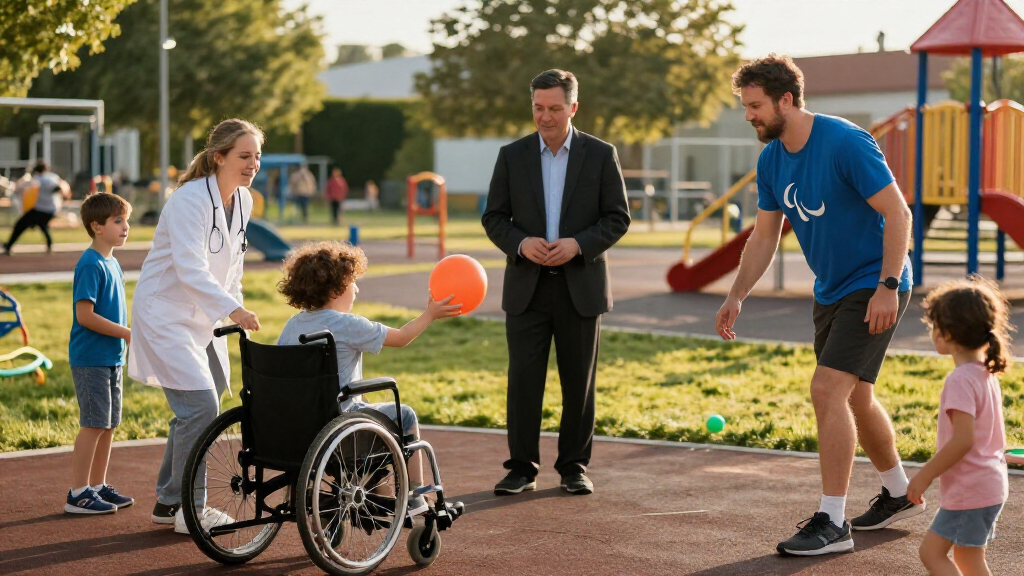
The article’s central point is that public figures can make belonging more imaginable for young people who rarely see someone like themselves in positions of authority. Slater describes a gay teenager seeing an openly gay man elected to the Senate and a wheelchair user seeing a Paralympian win a Senate seat. Those examples, he argues, can give families and clinicians concrete ways to talk about identity, resilience and participation.
Slater cites Trevor Project survey findings and studies of adolescent civic engagement to support the broader case that role models and community ties are associated with well-being. Those findings provide context, not proof that particular election results caused mental-health changes. The practical relevance is the conversation the election can prompt: adults can recognize difference without treating disagreement as a reason for contempt.
Products Worth Considering

Therabody Theragun Relief Massage Gun, 3-Speed, Navy

Levoit Core 400S-P Smart Air Purifier for Large Rooms

Withings Sleep Under-Mattress Sleep Tracking Pad
As an affiliate, we earn on qualifying purchases.
The Election Behind Slater’s Argument
The article appeared after the November 2026 midterm elections and follows an earlier column in which Slater described a basketball championship as a teaching opportunity for parents. He writes that children have been exposed to campaign attacks and adults’ political arguments, and frames the election as a chance to offer a different example.
For evidence, Slater refers to a Trevor Project 2024 survey in which 90% of LGBTQ+ young people said politics had harmed their well-being during the previous year. He also cites an earlier Trevor survey reporting that more than 80% of respondents felt positive public role models helped them feel better about who they are, and a national study that followed more than 9,000 adolescents into adulthood. These figures are presented in his opinion article; the article does not provide a new election-specific analysis.
What the Election Cannot Yet Show
Slater’s article is an opinion piece, and it does not report a study testing whether the midterm winners changed children’s mental health, sense of belonging or behavior. The cited surveys and adolescent research address related experiences and associations, not the effects of these specific election outcomes. The article also does not establish how many children saw the results or encountered the candidates’ stories.
Election details and the candidates’ descriptions here reflect the supplied report. The article does not provide independent documentation for every listed milestone, campaign-spending figure or biographical account. The longer-term effect of these public examples on young people remains unknown.
Turning Election Results Into Conversation
Slater’s proposed next step is for parents and pediatric clinicians to discuss the candidates’ stories with children, including stories of disability, faith, race, sexuality and personal adversity. He also argues for presenting civic involvement and cross-group relationships as constructive parts of young people’s lives. The article does not announce a formal program or planned follow-up research.
Whether these election examples resonate with children will depend on what they encounter and how adults discuss them. Any broader claims about effects on youth well-being would require evidence beyond the opinion article and the studies it cites.
Key Questions
What is the news development?
Child psychiatrist Jonathan Slater published an opinion article arguing that the varied backgrounds of 2026 midterm winners could give children role models and support conversations about belonging and civic life.
Did the article report that the election improved children’s mental health?
No. It makes an argument about possible value and cites related survey and research findings, but reports no new study measuring the election’s effect on children.
Which candidates does Slater highlight?
He discusses pediatrician Annie Andrews, pastor Adam Hamilton and Paralympian Josh Turek, along with former Navy helicopter pilot Rebecca Bennett and other candidates he describes as reaching election milestones.
What evidence does Slater cite?
Slater refers to Trevor Project surveys about political stress and public role models, as well as a study following more than 9,000 adolescents into adulthood. These sources provide context, but do not test the impact of the 2026 election results.
Source: medpagetoday.com